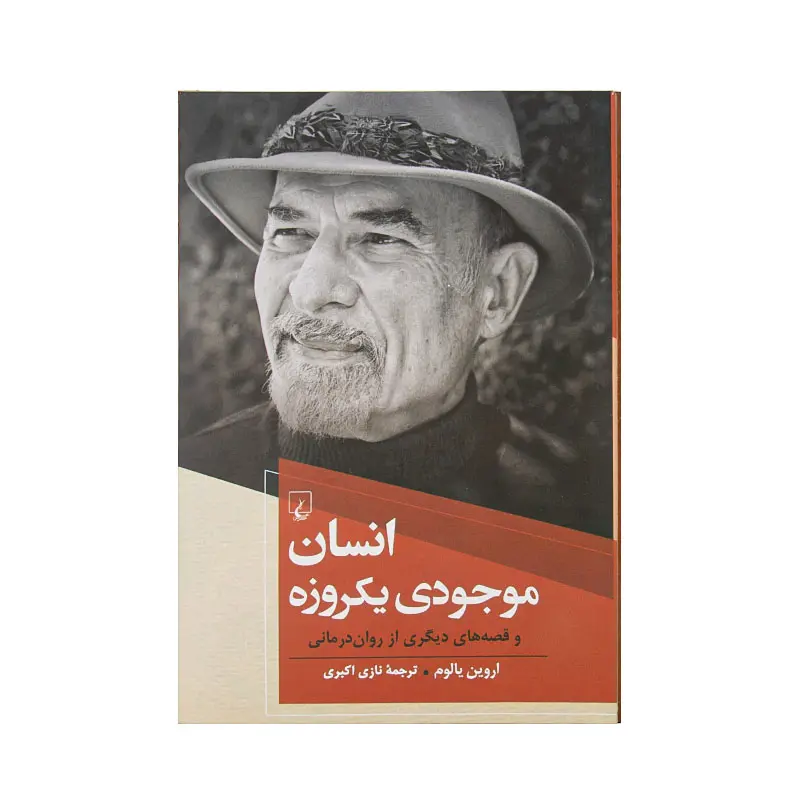
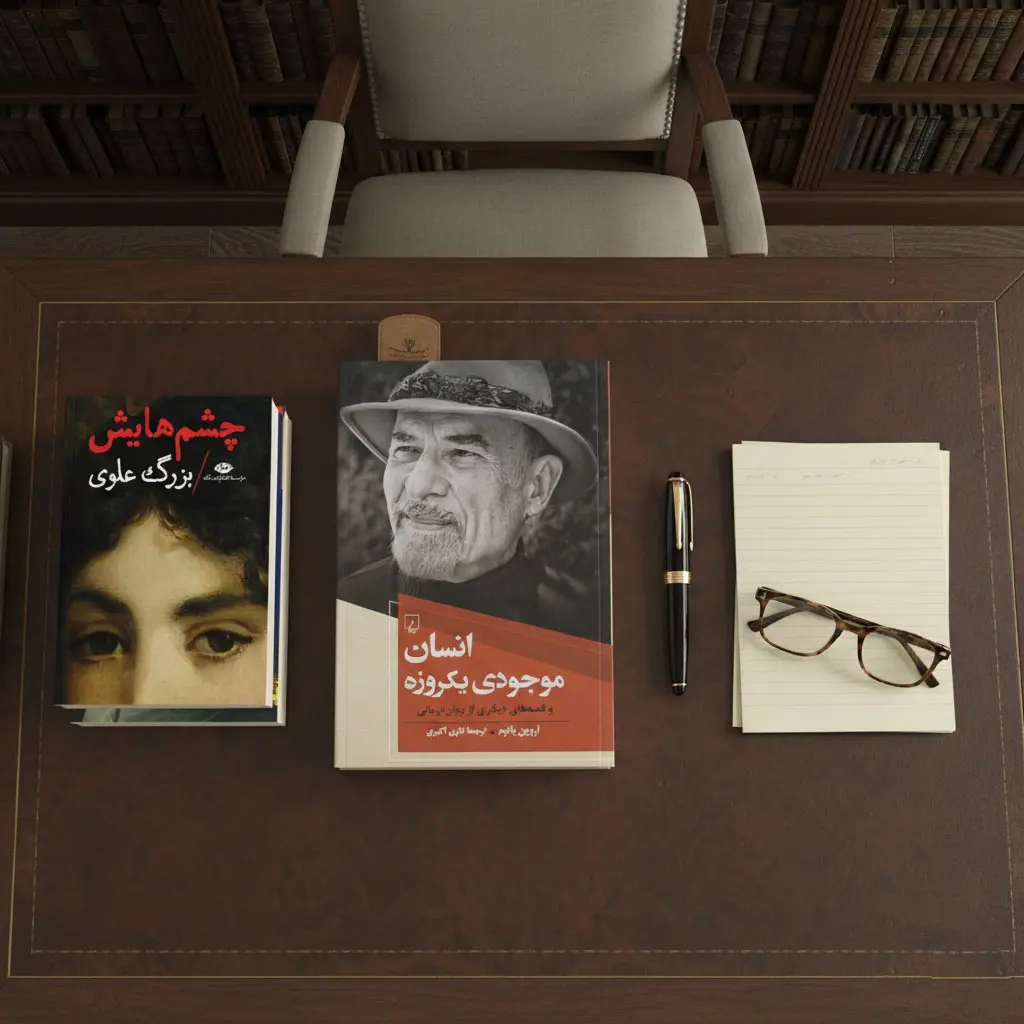
CREATURES OF A DAY انسان موجودی یکروزه
All of us are creatures of a day,” wrote Marcus Aurelius, “rememberer and remembered alike.” In his long-awaited new collection of stories, renowned psychiatrist Irvin D. Yalom describes his patients
Translator: Dr Nazee Akbari
Size: 21.5 x 14.5 x 1.5 cm
Pages: 270
Language: Persian
Book condition: New
Style: Persian Books
- All sales profit of this book will be donated to charities for helping kids by Dr Akbari.
«اروین یالوم» برای اکثر کسانی که در حوزه بهداشتِ روان فعالیت دارند، نامی آشناست. او از دهه ٦٠ میلادی به کار رواندرمانی مشغول بوده است. یالوم که پدر رواندرمانی «هستی گرا» است به کار نویسندگی هم میپردازد. در کتاب حاضر او دو چالش اصلی هستی را از نگاه مراجعانش و تا حدی خودش توضیح میدهد: دست و پنجه نرم کردن با چگونه پر معنا زیستن و چگونه با انتهای اجتناب ناپذیر هستی کنار آمدن. تمرکز این کتاب نیز بر روایات یالوم از مراجعانش است که به شکل رمانی هستیگرایانه نگاشته شده است. زبانی طنز آلود دارد و بیتکلف و اغلب تکاندهنده و به طور صادقانه از سختیها و مبارزه انسانها برای بودن حکایت میکند. در عین حال یالوم از میوههای زندگی مانند عشق، دوستی و خانواده به منزله وسایل و شیوههای اصلی تحمل زندگی نام میبرد. کتاب انسان موجودی یکروزه شامل ده داستان کوتاه از تجربههای این روانکاو و روانپزشک اگزیستانسیالیست است که به زبانی شیوا، این مجموعه را به منبعی معتبر برای درمانگرانِ در حال تعلیم و رمانی گیرا و آموزنده برای عموم تبدیل میکند. یکی از ویژگیهای مهم نوشتههای «اروین یالوم» تأکید او بر ارتباط و اهمیت آن در درمان است. او معتقد است که اصلاح تعاملات انسانی و «ارتباط» با دیگری کلید درمان اختلالات خلقی و روانی است. یالوم در این کتاب، مانند سایر آثارش، سعی کرده است تا با برقراری رابطهای چارچوبدار و مرزبندی شده و در عین حال صمیمی و گرم تأثیر تعاملات انسانی را به خواننده نشان دهد.
“Irvin Yalom” is a familiar name to most people working in the field of mental health. He has been practicing psychotherapy since the 1960s. Yalom, known as the father of existential psychotherapy, is also an accomplished writer. In the present book, he explores two fundamental existential challenges, as seen through the eyes of his clients—and, to some extent, himself: grappling with how to live meaningfully and how to come to terms with the inevitable end of existence.
The book focuses on Yalom’s narratives about his clients, written in the form of an existential novel. It has a humorous yet unpretentious tone, often deeply moving, and honestly recounts the hardships and struggles of human beings striving to exist. At the same time, Yalom highlights the fruits of life—such as love, friendship, and family—as the main tools and methods for enduring life.
The Gift of Therapy comprises ten short stories drawn from the experiences of this existential psychoanalyst and psychiatrist. Written in an eloquent style, the collection becomes both a credible resource for trainee therapists and a compelling, enlightening read for the general public. One of the defining features of Yalom’s writing is his emphasis on connection and its importance in therapy. He believes that healing emotional and psychological disorders hinges on improving human interactions and establishing meaningful connections with others.
In this book, as in his other works, Yalom strives to show the power of human interaction by forming relationships that are structured and well-defined, yet warm and intimate.