


Abgoosht: The Ancient and Heartwarming Iranian Stew
- maryam jafary
- 2 December 2025
- Uncategorized
- 3 minutes
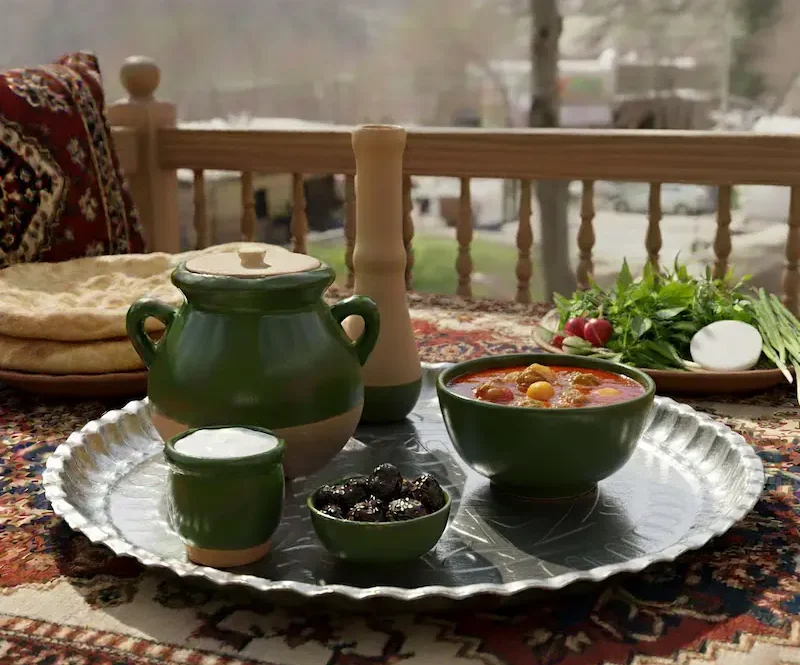
Abgoosht — sometimes referred to as Dizi Persian food — is one of the most iconic dishes in Persian traditional cuisine. More than a stew, it is a memory, a ritual, and a reflection of Persian’s centuries-old food culture. This warm, tangy, lamb-based dish has nourished generations and continues to be one of the best Persian dishes to try if you want to understand the heart of Persian.
People often first encounter the dish by asking: What is Abgoosht? Why is Abgoosht called Dizi? What makes it so meaningful in Persian food history?
This guide answers those questions through a deep dive into its roots, ingredients, cultural value, and authentic preparation.
The Historical and Cultural Roots of Abgoosht
How Abgoosht Became a Symbol of Persian Food Culture
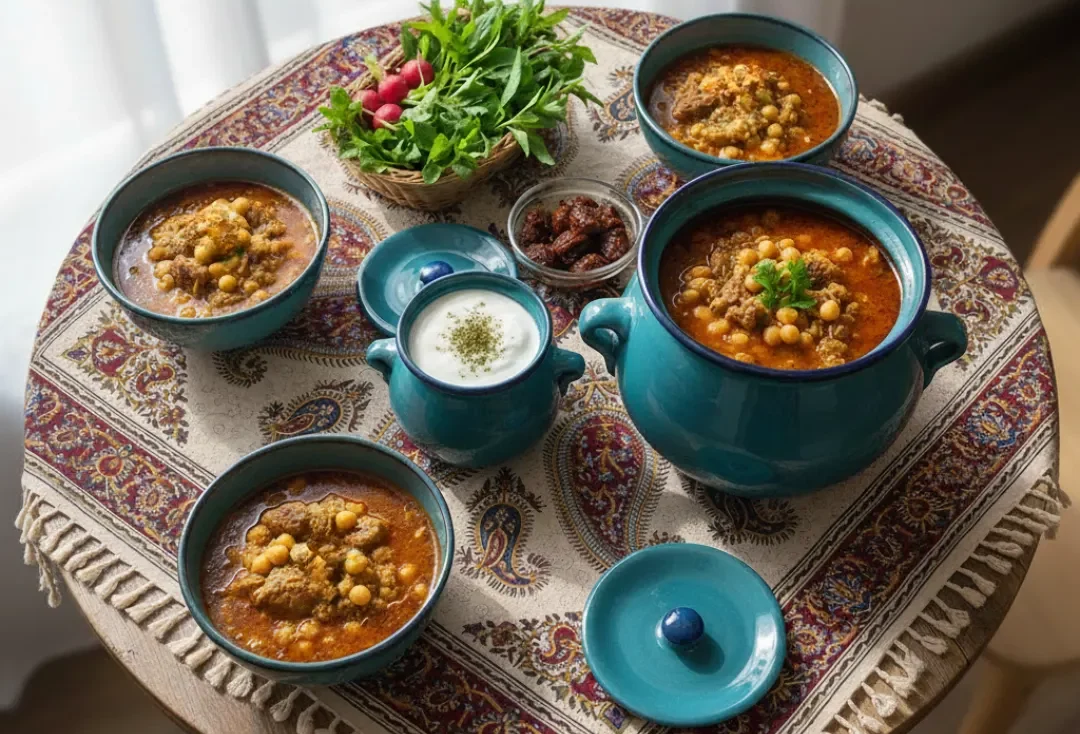
Abgoosht originated during a time when Persian households lived simply, relying on slow cooking to extract maximum nutrition from minimal ingredients. Lamb, chickpeas, white beans, and potatoes were affordable staples, and families used long simmering to create a meal that was filling and restorative. This slow-cooking culture gave birth to one of the most enduring old Persian recipes.
Throughout Persian food history, Abgoosht has been beloved by both working-class families and wealthy merchants. From quiet villages to the bustling heart of Tehran, it became a reliable, hearty dish that represented comfort, community, and resourcefulness.
Today, many Iranians describe Abgoosht as a warm bridge to childhood — a dish that tastes like family gatherings, winter afternoons, and nostalgia.
Why Abgoosht Is Called “Dizi”
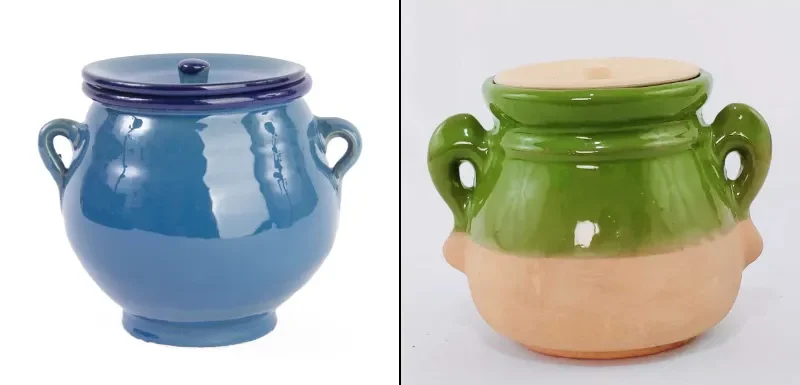
Although widely known as Abgoosht, many Iranians call it Dizi. The name doesn’t come from the ingredients but from the pot traditionally used to cook it: a small, heavy clay or stone vessel named a dizi. Over time, the name of the container became synonymous with the dish itself. In some regions, the dish is also called Bozghormeh, an ancient term meaning “goat stew.”
This blend of dish and vessel reflects how deeply Persian cuisine is shaped by everyday craftsmanship and cooking traditions.
The Cultural Significance of Abgoosht in Persian
Abgoosht stands among the most culturally significant foods of Persian and actively shapes social life. Families serve it during gatherings, teahouses prepare it for their guests, workers enjoy it after long days, and communities bring it to the table during cold seasons, rural festivities, and busy urban lunches alike.
The slow cooking, the aroma of limoo amani (dried lime), and the ritual of serving the broth first and mashing the meat afterward form a cultural ceremony. It is one of the few ancient Persian meals still cooked almost exactly the same way today.
How to Make Abgoosht (Dizi): The Authentic Persian Recipe
Abgoosht Ingredients
Understanding Abgoosht ingredients is essential for appreciating its depth and flavor. A traditional Persian Abgoosht recipe includes:
-
Bone-in lamb (neck, shank, or shoulder for maximum flavor)
-
Chickpeas
-
White beans
-
Tomatoes
-
Onion
-
Potatoes
-
Dried lime (limoo amani)
-
Salt, pepper, turmeric
-
Lamb fat or tail fat (optional but extremely authentic)
-
Sangak bread, torshi (pickles), fresh herbs, and doogh
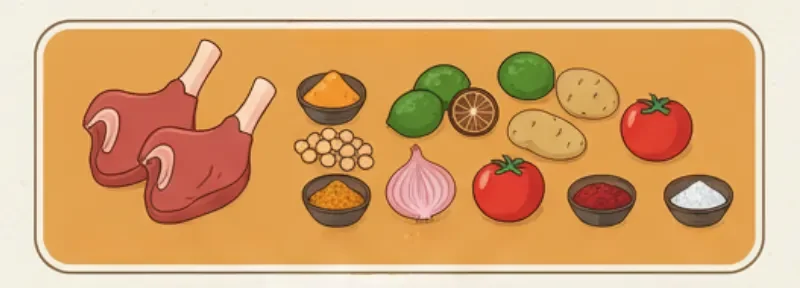
Families across Persian personalize the dish: some add cinnamon for warmth, some include tomato paste for richness, while others stick to the earliest, simplest form of the recipe.
How to Make Abgoosht the Traditional Way
To learn how to make Abgoosht, you must first embrace patience. The technique has remained unchanged for centuries:
-
Soak chickpeas and beans overnight.
-
Add lamb, lamb fat, onion, and turmeric to a large pot.
-
Add legumes and water.
-
Simmer slowly for 2–3 hours.
-
Add peeled tomatoes.
-
Add potatoes and pierced dried limes.
-
Continue simmering for 4–5 hours until everything softens.
-
Separate the flavorful broth (ab-e dizi).
-
Mash the solids with a meat masher (goosht-koobideh).
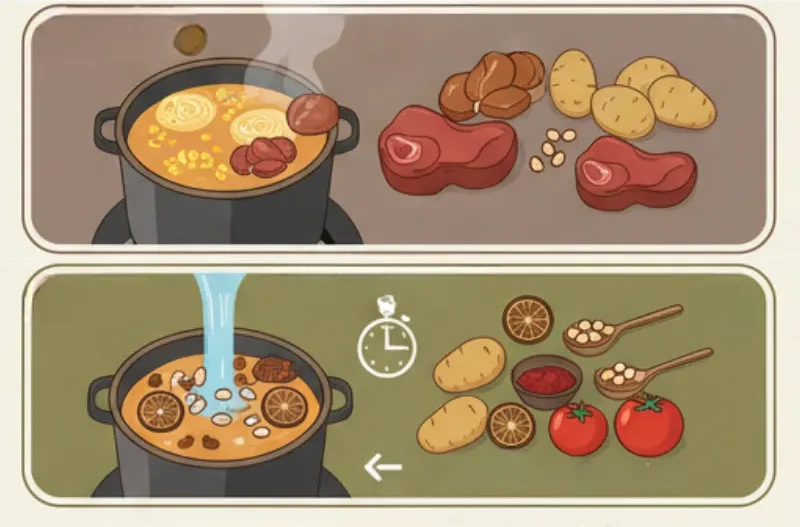
This dual texture — one part broth, one part mash — is what makes Abgoosht one of the most unique Persian foods ever created.
The Two-Course Ritual of Eating Abgoosht
Abgoosht is served in two courses:
-
First Course: The Broth
Enjoyed with torn pieces of Sangak bread. This is deeply aromatic, enriched with lamb, dried lime, and slow-cooked vegetables. -
Second Course: The Mash (Goosht-Koobideh)
Lamb, potatoes, beans, chickpeas, and tomatoes are mashed into a thick mixture eaten with bread, herbs, and pickles.
This ritual turns a humble stew into a full Persian dining experience, demonstrating why Abgoosht is consistently listed among the best Persian dishes to try worldwide.
The Role of Quality Ingredients and Cookware Today
Because Abgoosht is a dish rooted in authenticity, many cooks prefer to make it using traditional cookware such as stone dizi pots. At Persis Collection, we offer authentic Dizi pots, Persian spices, and cookware with guaranteed worldwide delivery, allowing anyone to recreate this ancient dish the right way.
Final Thoughts: Abgoosht — A Dish Where History Meets Heart
Abgoosht is not simply an Abgoosht Persian dish — it is a living expression of Persian’s soul. Every spoonful carries stories from centuries past: clay ovens, wooden tables, old tea houses, and grandmother’s quiet kitchen rituals.
Whether you are discovering this unique Persian food for the first time or revisiting a beloved childhood memory, Abgoosht invites you to experience one of the deepest and most authentic flavors of Persian heritage. It is a dish where simplicity meets meaning — and where every bite tastes like home.
Comments