


Interior Design with Persian Tile

- maryam jafary
- 27 August 2025
- Persian Tiles
- 3 minutes
An Art from the Heart of History in Today’s Homes
Have you ever thought about how a few simple tiles can breathe life into a lifeless space? Persian tile does exactly that. These small but powerful pieces are a legacy of Persian culture and art, now stepping into our living spaces with a traditional look and a modern soul.
In this article, we’ll dive into the colorful and geometric world of Persian tiles—from classic Persian Heritagei patterns to creative uses in staircases and kitchens. Ready for an artistic journey? Let’s go!
Persian Tile and Its Role in Interior Design
Traditional Persian Tile in Modern Décor
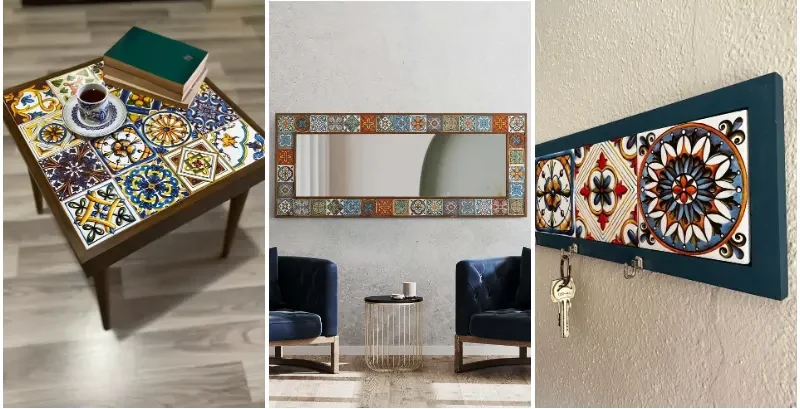
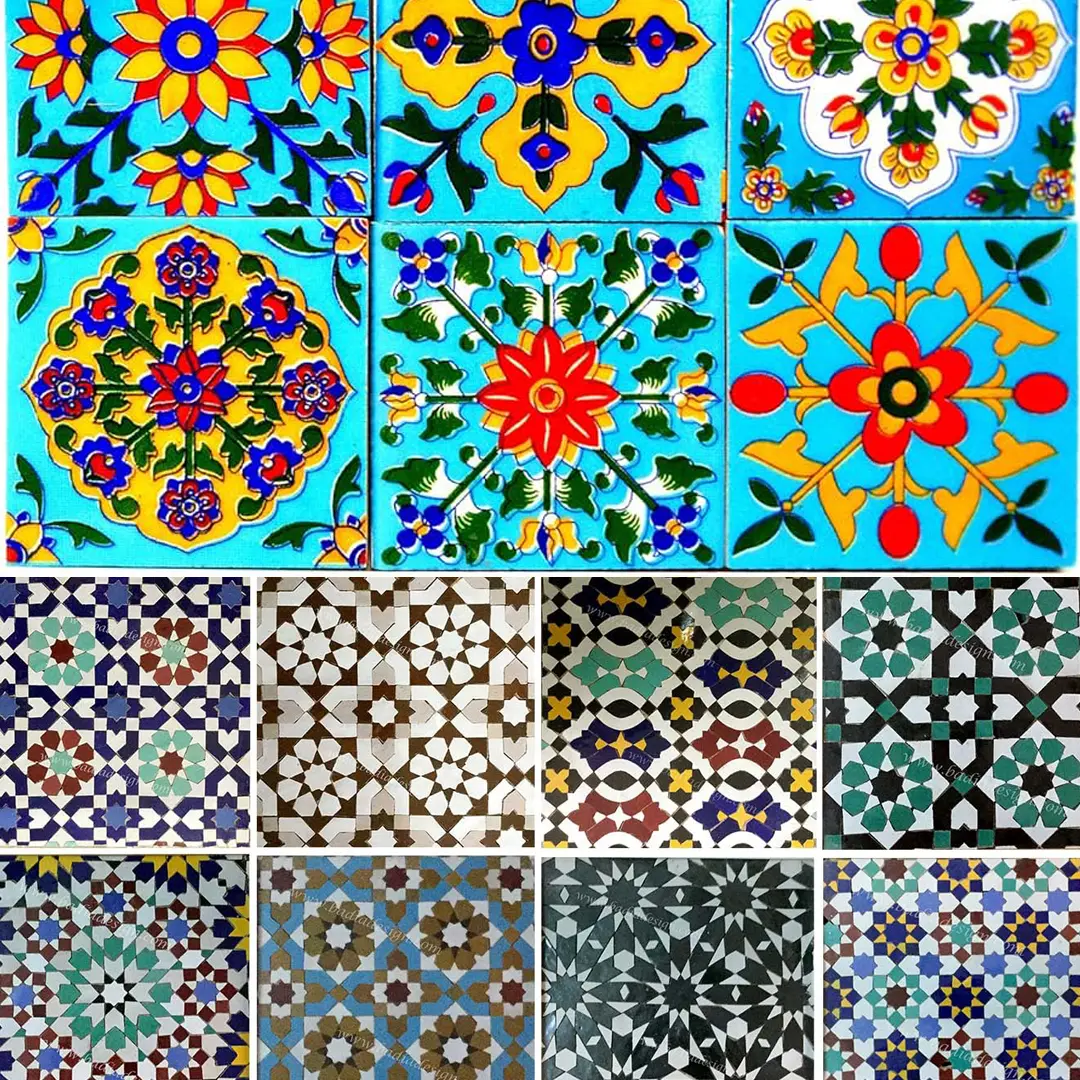
Persian tiles for home interiors, with their turquoise, cobalt blue, and bright yellow hues, are far more than just decorative pieces. These tiles speak—they tell stories. Interior designers have discovered that combining Islamic geometric patterns and Persian mosaic tile art with modern spaces creates a striking and unique aesthetic. From TV accent walls to decorative entryway panels, Persian tiles can shine anywhere. Even a narrow strip of traditional tile across a plain wall can turn a basic room into an art gallery.
Hand-Painted Ceramic Tiles in Today’s Décor
Hand-painted ceramic tiles from Persian bring texture and depth that mass production simply cannot replicate. Each custom handmade tile is crafted with love and precision, making every piece unique. For those looking to add warmth, authenticity, and luxury to their homes, handcrafted tiles are an unmatched choice.
Decorative and Functional Uses
From tile wall art for living rooms to traditional tile backsplash ideas in kitchens, the versatility of Persian tiles is remarkable. They can be the centerpiece of a room or a subtle accent that ties a space together.
Geometric Patterns in Persian Tile Design
From Mathematics to Aesthetics
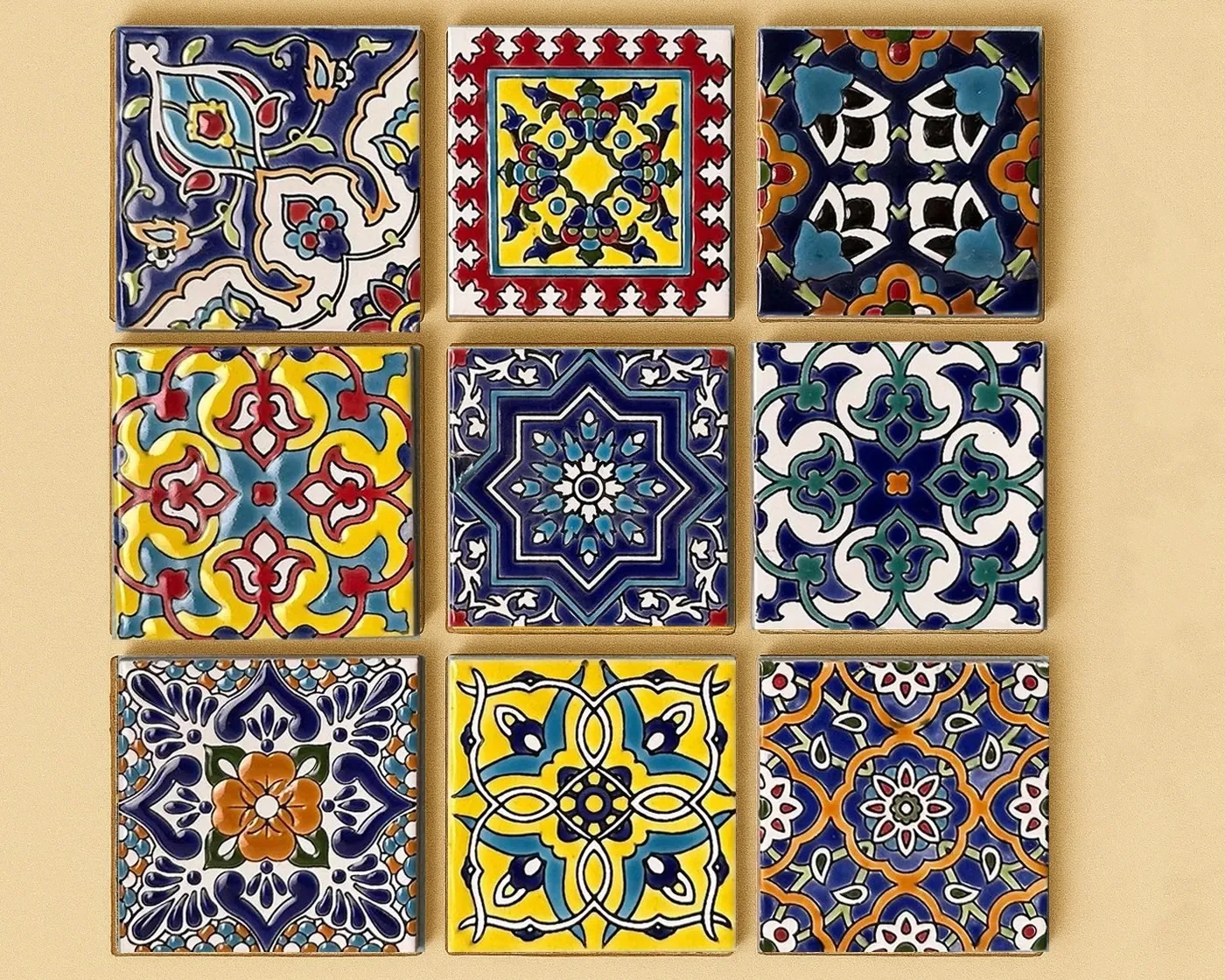
One of the most remarkable aspects of Persian tile design is its mathematical foundation. These geometric tile wall designs often use complex symmetry that reflects both beauty and structure. When introduced into interiors, they create a calming sense of order and harmony.
Geometric Tiles in Small and Large Spaces
Contrary to popular belief, geometric patterns are not only for large walls or grand mosques. A backsplash with cultural tiles behind the sink or a geometric tile design for stair risers can make smaller areas feel more dynamic and artistic. It’s about balance—knowing when to let the tiles dominate and when to let them accent.
Fusion of Moroccan and Persian Styles
Today’s designers often combine Moroccan and Persian tile, blending two Middle Eastern traditions. The result is a rich tapestry of ethnic tile patterns that bring warmth and cultural depth into modern homes.
Using Traditional Tiles in Modern Interiors
A Return to Roots with a Touch of Modernity
When we talk about traditional tiles in modern interiors, we’re not just talking about decoration—we’re talking about cultural storytelling. Every motif, every color is a piece of heritage brought into the present.
Blending Tradition and Modernity
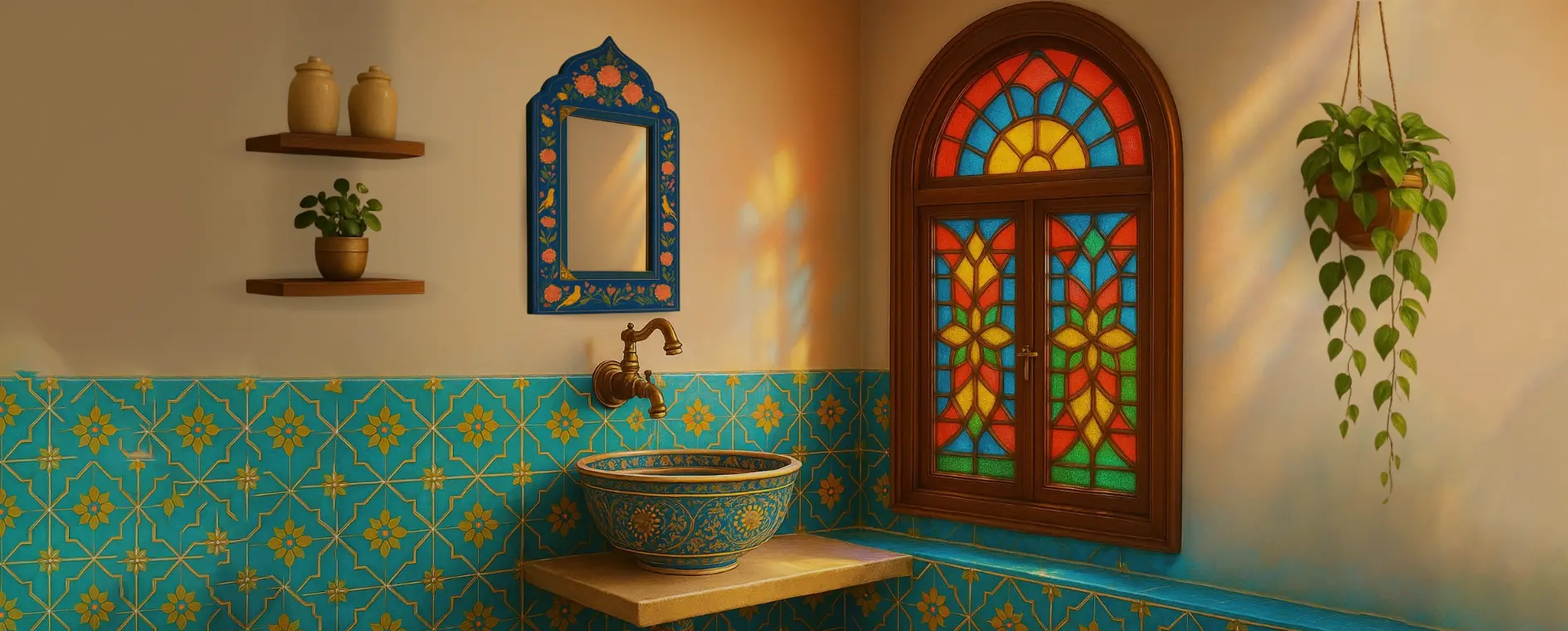
The contrast of turquoise Persian tiles with wood, metal, or concrete surfaces results in unforgettable interiors. Think of vintage tiles for home decor blended with minimalist furniture—elegance meets history.
Fresh Interior Design Ideas with Persian Tiles
- Colorful tiles for kitchen decor: Make your kitchen the heart of the home with washable, vibrant Persian tile. Install tiles around the sink and stove to prevent bacterial growth while adding charm to your kitchen atmosphere.
- East Asian tiles for modern homes: Use them as statement pieces in living rooms, bedrooms, or entryways for a bold aesthetic.
- Arabic calligraphy tiles: A spiritual and artistic addition to prayer rooms, libraries, or meditative spaces.
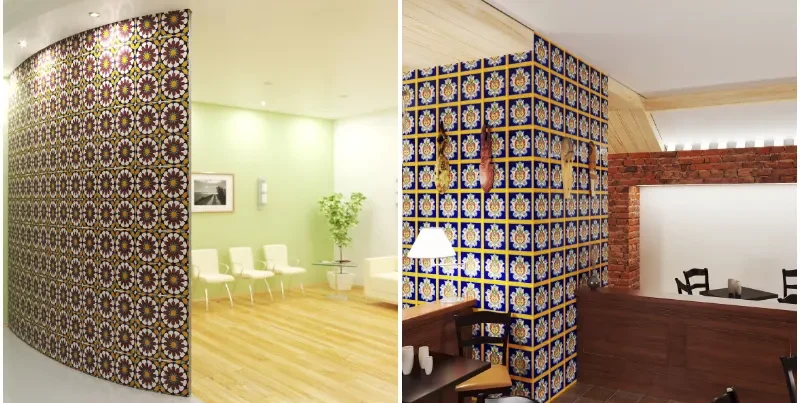
- Decorative tiles for walls: Transform bland hallways into artistic corridors or add personality to entryways.
Staircases as Artistic Pathways
Often overlooked, staircases can become highlights with tile design ideas for stair risers. Traditional seven-color tiles transform each step into a journey through art and culture. Your simple staircase turns into an artistic pathway that makes you smile every time you climb it.
Kitchens as the Heart of the Home
The kitchen is where family health begins, and colorful tiles for kitchen decor can make it both functional and stylish. By choosing washable, grease-resistant, and steam-resistant tiles, you ensure practicality without sacrificing beauty. Pair them with your cabinets and flooring for visual harmony.
Conclusion
Persian tilework isn’t just about decoration—it’s about identity, artistry, and heritage. Whether you’re looking for backsplashes with cultural tiles, Persian mosaic tile art, or simply adding a splash of history to your walls, these designs bring timeless beauty to every home. From tile wall art for living rooms to geometric designs for stair risers and traditional backsplash ideas, Persian tiles adapt effortlessly to any modern or traditional setting.
At Persis Collection, we provide the world’s largest selection of Persian tile, including custom handmade tiles, with guaranteed worldwide delivery. Let your home become a masterpiece of history and modernity combined.

Comments