


Persian Tea: A Tradition from the Heart of History
- maryam jafary
- 15 July 2025
- Home Decor
- 2 minutes
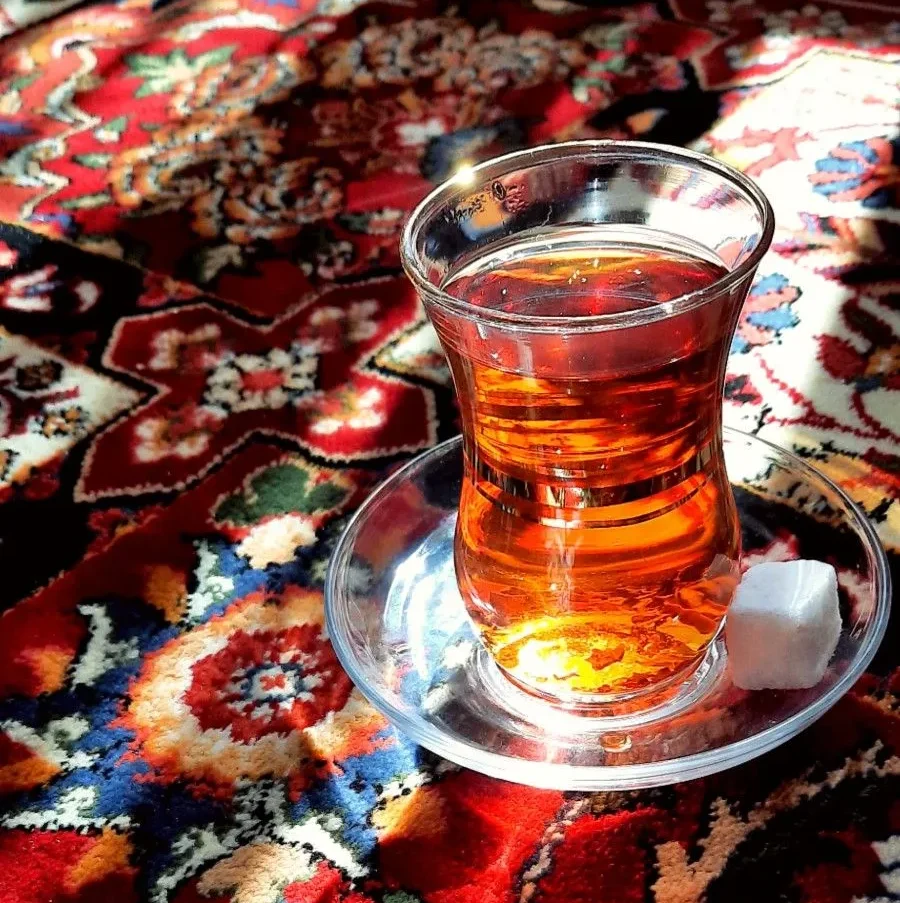
Persian tea is more than just a beverage – it’s a cornerstone of culture, tradition, and hospitality. From the rich history of its arrival in Persian to the distinct methods of preparation and the elegant Persian tea sets, Persian tea offers a full experience that extends far beyond its taste. In this post, we’ll dive into the fascinating story of Persian tea, its health benefits, and the
History of Persian Tea
Tea’s Arrival in Persian
In the 17th century, traders introduced Persian tea (or Persian tea) to Persian, and it quickly became a staple in daily life. Initially, the elite classes enjoyed the tea as a medicinal remedy after traders imported it via trade routes from India and China. Over time, it spread to the broader population, eventually becoming central to Persian gatherings and social events.
From Medicine to Tradition
The transition of tea from a medicinal remedy to a popular social drink symbolizes its importance within Persian culture. As it became a key part of Persian hospitality, tea served not only as a drink but as a welcoming gesture at homes and gatherings.
From Plantation to Your Cup
Where Persian Tea is Grown
Persian tea is predominantly cultivated in the lush, fertile provinces of Gilan and Mazandaran in northern Persian. The climate here provides the perfect conditions for growing high-quality tea. Persian black tea and Persian green tea both thrive in this region, with the leaves being carefully harvested during the spring and summer months to ensure the finest flavor.

A serene tea plantation showcasing rows of lush tea bushes in the perfect growing environment.
The Health Benefits of Persian Tea
Digestive Health with Persian Black Tea
One of the key health benefits of Persian tea, especially Persian black tea, is its positive effect on digestion. Drinking tea after meals can help with the digestive process, reducing stomach bloating and easing intestinal discomfort.
Relaxation with Persian Green Tea
Persian green tea offers excellent antioxidant properties that help with stress relief and mental relaxation. Many Iranians enjoy a cup of tea to unwind after a long day, with the calming compounds in the tea helping to reduce anxiety and promote focus.
How to Brew Persian Tea
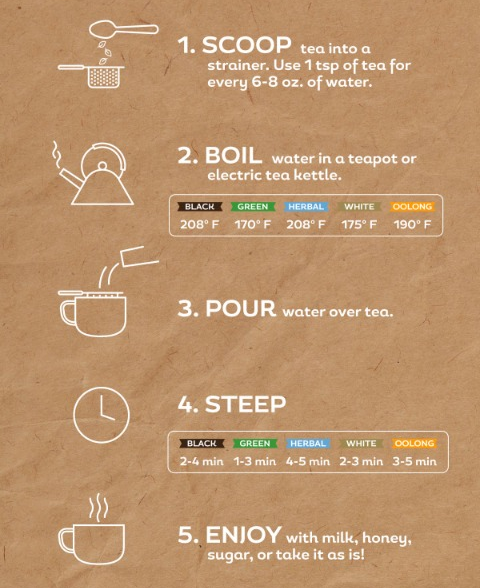
Brewing the Perfect Cup Using a Samovar
In Persian, the traditional brewing method uses a samovar, a large kettle that boils water slowly. The water flows steadily into a Persian tea set, typically a teapot. The tea is then brewed, creating a rich and aromatic flavor. This method is perfect for both Persian black tea and Persian green tea.
Modern Brewing Methods for Convenience
With advances in technology, automatic tea brewers now provide an easier, quicker way to prepare your tea. These devices ensure that the tea reaches its optimal temperature and brewing time without the need for constant attention, making it a convenient option for those with a busy lifestyle.
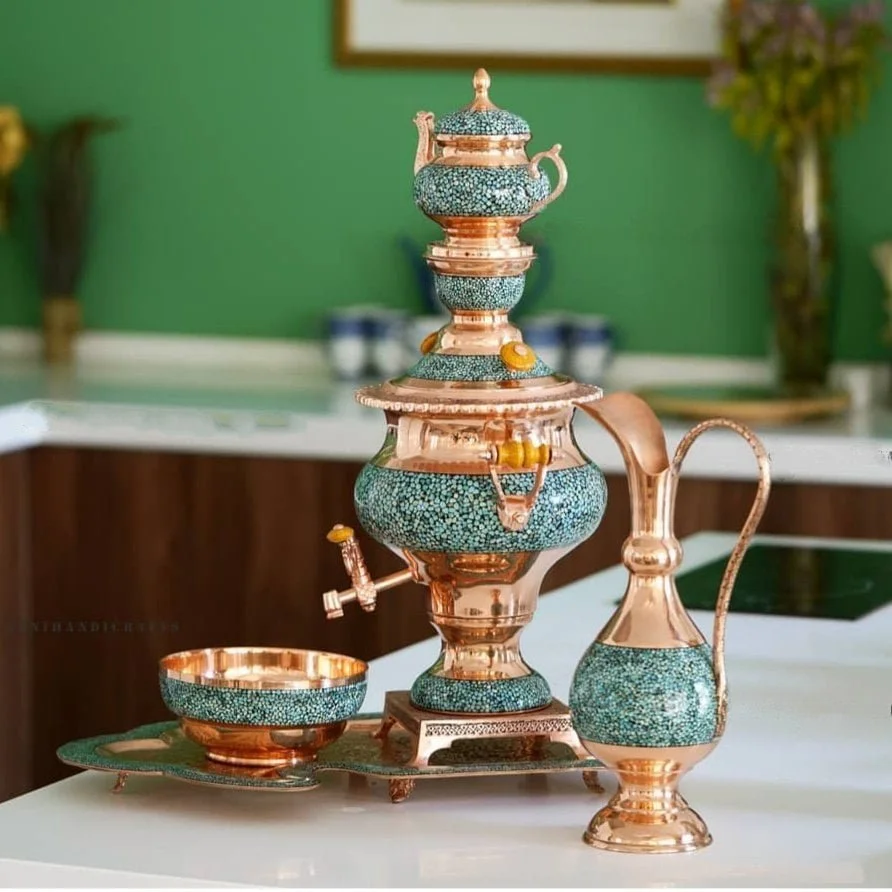
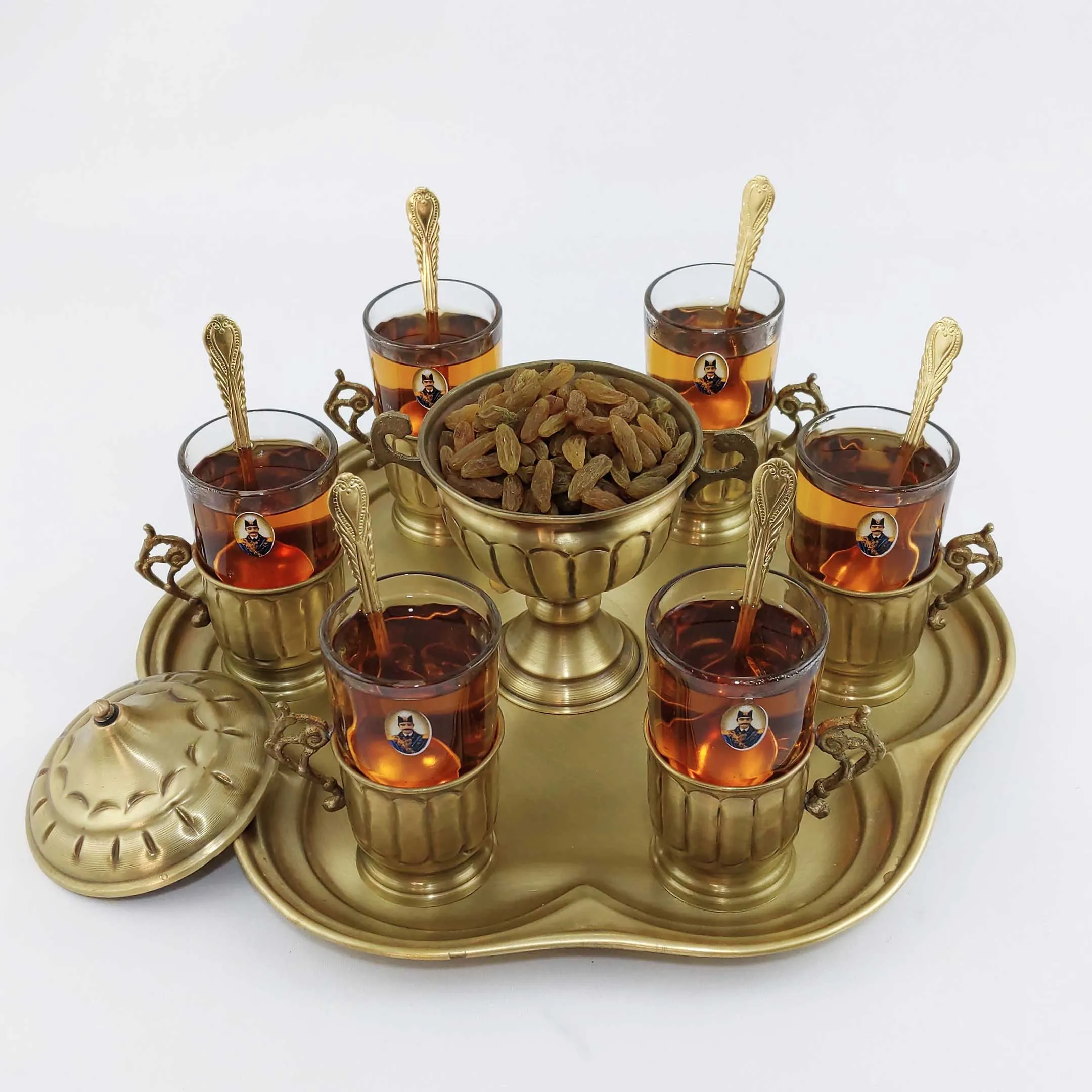
Samaroo Old Tea set – a classic, elegant collection that embodies the rich tradition of Persian tea culture.
The Importance of Persian Tea Cups and Glass Sets
Traditional Persian Tea Cups: Aesthetic and Function
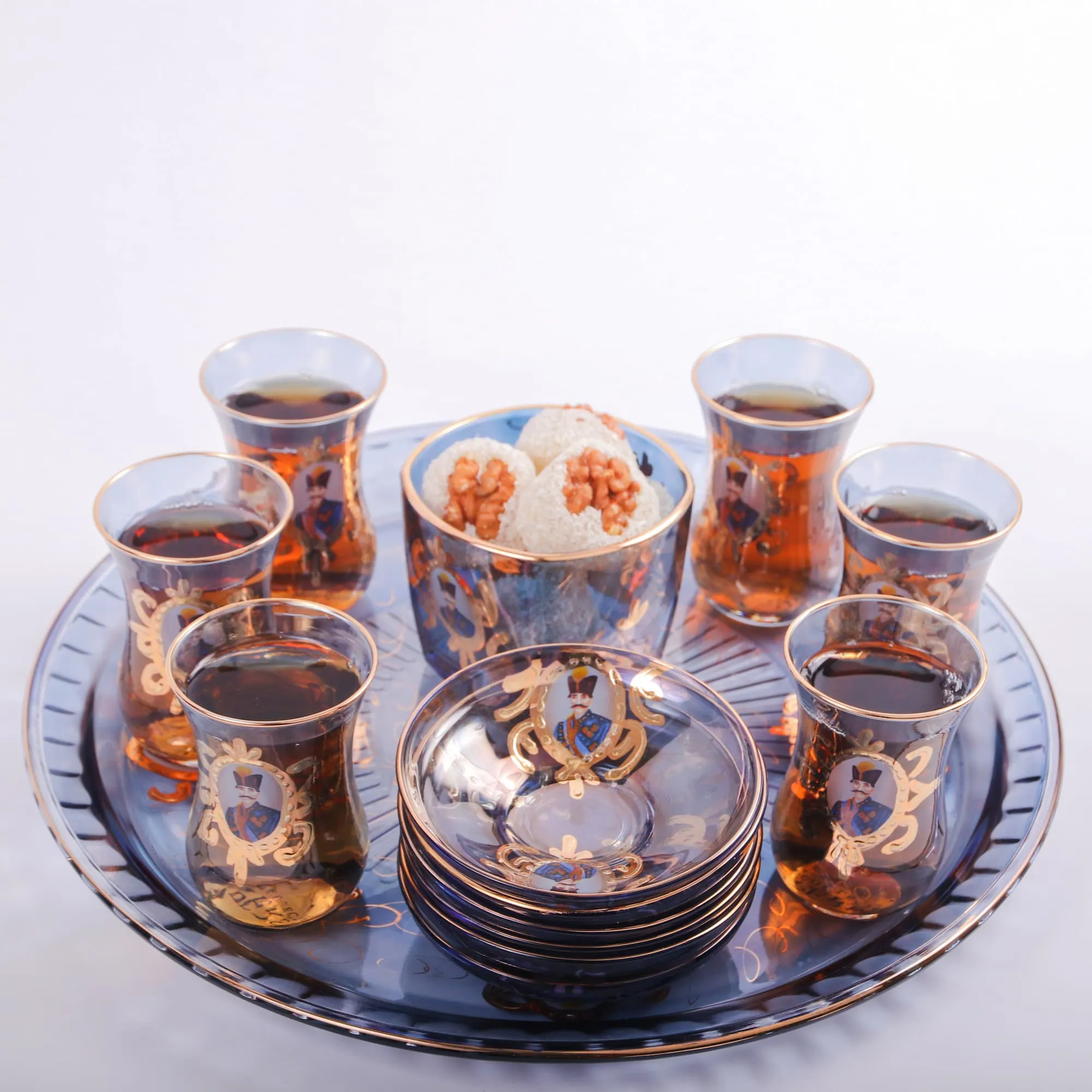
Persian tea cups are not just functional; they’re works of art. Whether crafted from glass or ceramic, these cups are integral to the Persian tea experience. Traditional Persian tea cups often come in intricate designs, adding a touch of beauty to the tea-drinking ritual.
The Role of Glass Persian Tea Sets in the Tea Experience
The glass Persian tea set is a common sight at formal gatherings, offering a transparent view of the rich color of the tea. The material of the teacup plays an important role in enhancing the tea’s flavor. Persian tea glass sets, made from high-quality glass, are designed to retain the tea’s heat while highlighting its vibrant color.




Comments