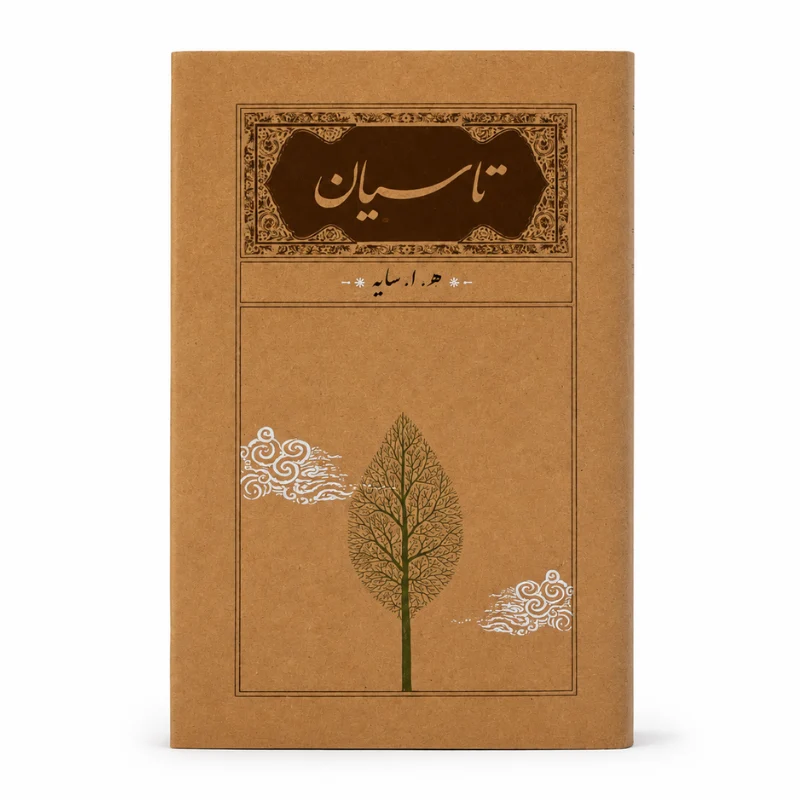
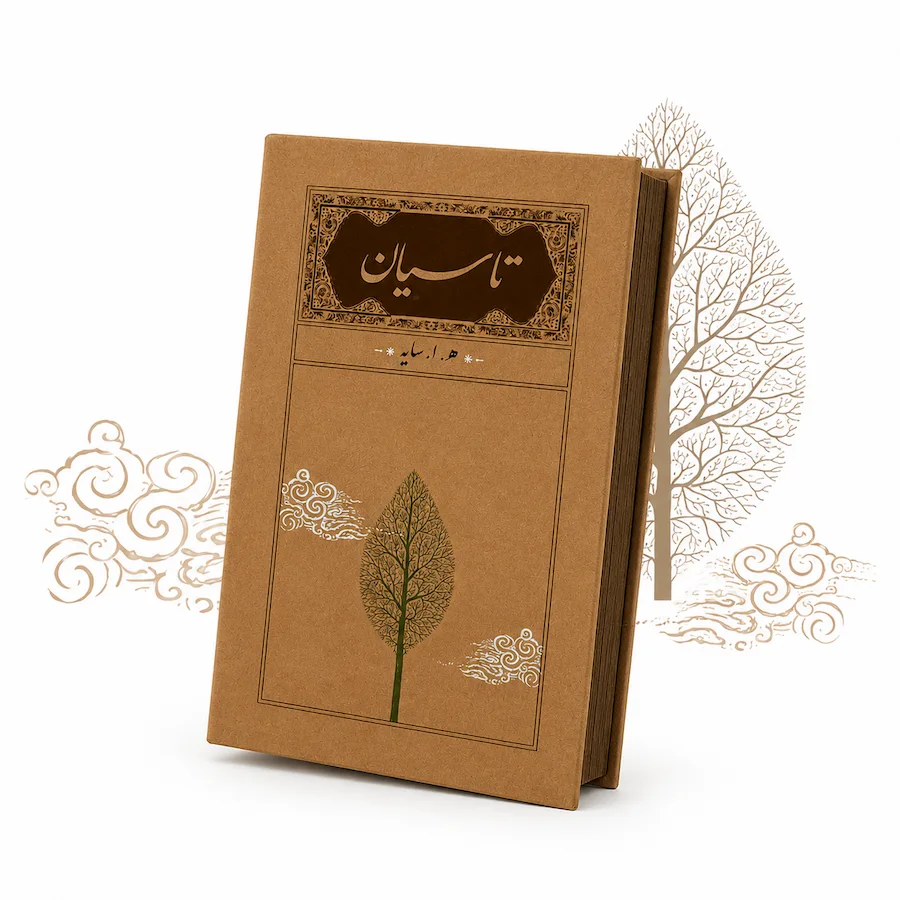
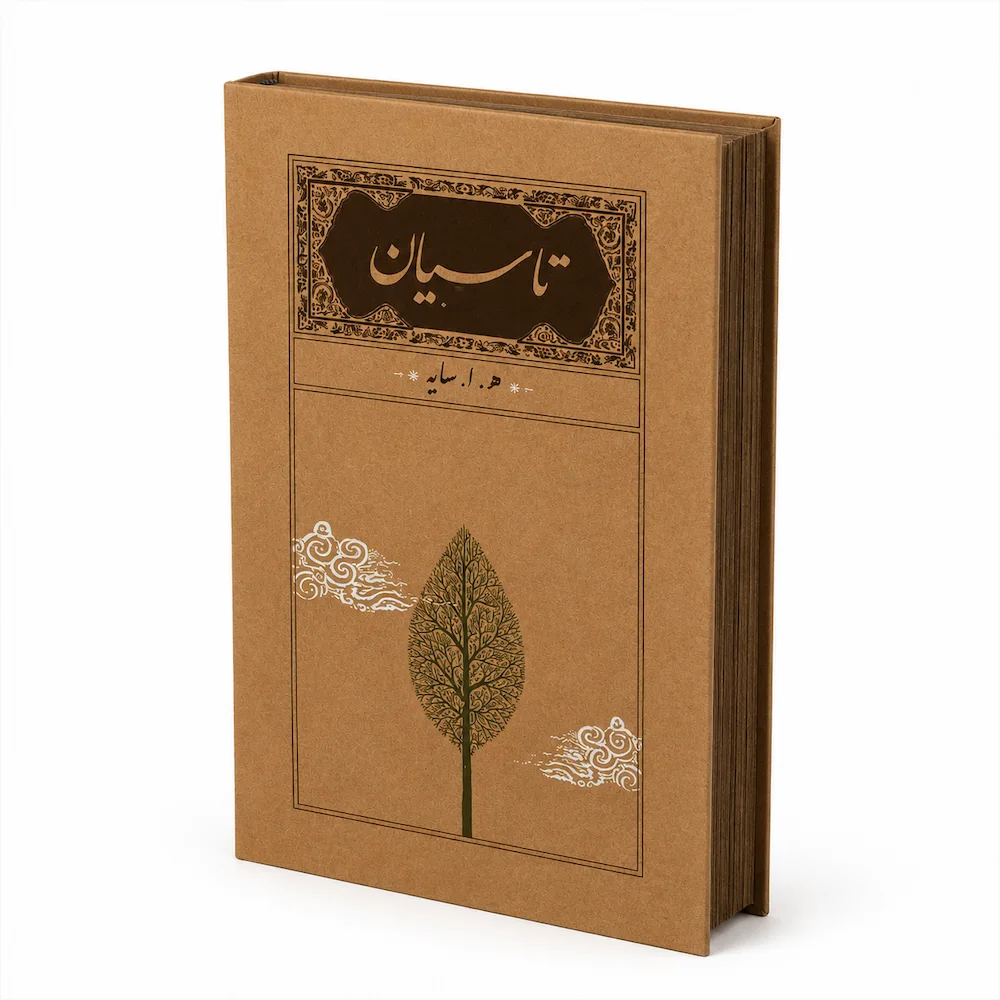
Tasian Modern Persian Poetry Book by Houshang Ebtehaj
For readers drawn to modern Persian verse, Tasian brings together the short poems of Houshang Ebtehaj. He also wrote under the pen name H. E. Sayeh. This Houshang Ebtehaj poetry book contains 87 short pieces written in the modern poetry form. It comes in a hardback edition, making it suitable for reading, collecting, or giving as a literary gift. At Persis Collection, customers looking to buy Persian books can discover Tasian alongside Persian literature. Worldwide delivery is available.
Tasian Book with 87 Modern Persian Poems
The Tasian book is a Persian poetry book centred on Ebtehaj’s modern verse, with all 87 of his short poems gathered in the collection according to the supplied edition information. Its hardback binding gives buyers a practical point of distinction when choosing a copy for a personal library or as a literary gift. Rather than treating it as simply another Persian Book For Sale, Tasian offers a clearly defined collection for readers specifically seeking Ebtehaj’s poetry. Those exploring a broader Persian Book selection can also browse Persian poetry books for related reading.
Persian Poetry and the Meaning Behind Tasian
The emotional identity of Tasian is closely connected to its title. The supplied description identifies Tasian as a word from the Gilaki dialect. It links the title to a state associated with death and separation. It also suggests, more tentatively, a connection with birth into the mortal world.
The collection’s treatment of grief can be felt directly in this extract: «پدر جان در دل تنگت چه ابری بود / که من چندان که میگریم / هنوزش هیچ پایان نیست / چه صبری داشتی، اما / از آن دندان که برهم میفشردی / همچنان خون دلم جاریست / غمت با من / درین شبهای ابری / زنده ماند، اما / نمیدانم امیدم در دل تنگ که خواهد زیست؟»
English translation: “Dear Father, what cloud was there in your heavy heart / that however much I weep / there is still no end to it? / How patient you were, yet / from those teeth you clenched together / the blood of my heart still flows. / Your sorrow, with me / through these cloudy nights / remained alive, but / I do not know in whose heavy heart my hope will live.”
Reading the Persian beside the English version helps reveal the poem’s imagery and emotional movement. The speaker moves from a father’s hidden sorrow to grief, memory and uncertainty about hope. This personal voice gives the Tasian book much of its appeal for readers of modern Persian poetry.