


Tombak: The Pulse of Rhythm in the Heart of Iranian Music

- maryam jafary
- 10 November 2025
- Traditional Persian Music
- 4 minutes
Have you ever listened to a sound that beats at the very heart of traditional Persian music? Those delightful beats that are sometimes gentle—like walking through a garden full of night-blooming jasmine—and sometimes fiery and intense, like a dance of flames?
Yes, that’s the sound of the Tombak, also known as Tonbak — a drum that may appear simple, yet holds a world of intricacy, technique, and emotion within it. This Persian hand Tonbak is the principal Persian percussion instrument, known not only for its unique tone but also for its deep cultural resonance.
The Origins and Evolution of the Tonbak
Ancient Roots in Persian Soil
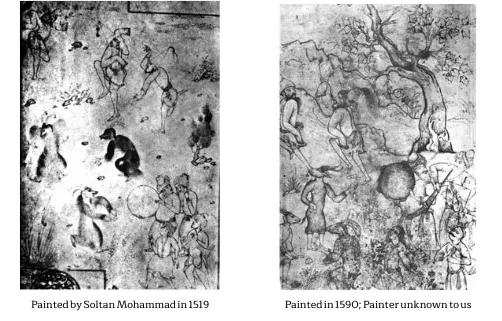
The Tombak has risen from the depths of Persian’s cultural and artistic history. Archaeological discoveries and ancient depictions on pottery show that versions of this Persian percussion instrument existed as far back as the Parthian and Sasanian periods.
During the Sasanian era, music was an essential part of royal life, and the Tonbak (then called zarb or dombak) likely accompanied ceremonies, dances, and rituals. Over time, as Persian music evolved, so did the instrument — gaining refinements in shape, materials, and technique.
The modern Persian Tonbak we know today embodies centuries of evolution — a timeless bridge connecting ancient rhythms to contemporary expression.
Tombak’s Role in Traditional Persian Music
Originally, the Tonbak was used to maintain rhythm alongside melodic instruments such as the tar, setar, or santur. But the 20th century brought a revolution in its status.
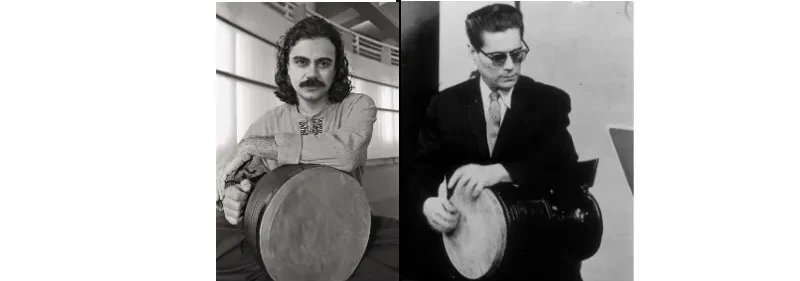
The great master Hossein Tehrani, known as the father of modern Tonbak playing, transformed it from an accompanying rhythm keeper into a solo instrument of dazzling complexity. His innovations in Tonbak playing techniques and solo improvisations elevated the instrument’s prestige, inspiring generations of drummers and establishing formal Persian Tonbak lessons for the first time.
Anatomy, Sound, and Techniques of the Tombak
What Is the Tonbak Made Of?
At first glance, the Tombak might look like a simple wooden goblet drum — but its craftsmanship is anything but simple. The materials and construction greatly influence its tone, durability, and feel.
-
Body (Shell): Traditionally carved from a single block of hardwood such as mulberry, walnut, or maple. Mulberry gives a deep, resonant warmth, while walnut provides balance and clarity.
-
Skin (Head): Usually made from goat or lambskin for their elasticity and responsiveness, though synthetic heads are now used in humid climates to prevent damage.
-
Rim (Lip): The edge where the skin attaches to the shell — its thickness subtly affects the tone.
-
Neck (Base): The narrow end that rests on the player’s leg, amplifying low frequencies and adding bass resonance.

Each part of the Tonbak contributes to its sonic depth. At Persis Collection, we ensure every Tonbak drum we offer is handcrafted by expert artisans using premium materials, balancing tradition with playability.
How to Play the Tonbak
Learning how to play the Tonbak begins with mastering a few essential strokes — often described by syllables:
-
“Tom” – the deep bass tone, produced by striking the center of the drumhead.
-
“Bak” – a sharper, higher tone, struck near the rim with fingertips.
Tombak vs Darbuka: Understanding the Difference
While both the Tombak and Darbuka are Middle Eastern drums, they differ significantly in structure, tone, and musical purpose.
-
The Tombak is a wooden goblet drum central to Persian classical music. It produces deep, rounded bass tones and intricate mid-to-high tones.
-
The Darbuka, often made of metal or ceramic, has a brighter, sharper sound typical of Arabic and Turkish music.
If your focus is on Persian musical instruments or Persian rhythms, the Tonbak is the instrument that truly captures the essence of that tradition.

The Cultural Legacy and Modern Presence of the Tonbak
Masters Who Shaped the Tonbak’s Journey
Throughout its history, countless musicians have elevated the Tombak from a simple rhythm keeper to a globally respected instrument. Among them:
-
Hossein Tehrani: The pioneer of modern Tonbak playing and founder of its contemporary techniques.
-
Pejman Hadadi: A global ambassador of Persian percussion, blending classical and modern styles in international collaborations.
These masters showed that the Tonbak is more than a musical instrument — it’s a language of emotion, capable of expressing joy, sorrow, excitement, and peace through rhythm alone.
Choosing the Right Tonbak
When selecting your Persian hand Tonbak, consider the following:
-
Material & Craftsmanship: Choose solid wood over composite materials for an authentic tone.
-
Size & Weight: Lighter drums are ideal for beginners, while heavier ones provide richer resonance.
-
Sound Profile: Test for both deep “tom” and crisp “bak” clarity.
-
Finish & Durability: A natural oil finish enhances the sound; lacquer adds protection.
Maintaining Your Tonbak
Your Tonbak deserves care to keep its sound pure and lively:
-
Avoid extreme humidity and temperature changes.
-
Store it in a soft case or protective cover.
-
Clean the shell gently with a dry cloth.
-
If using natural skin, avoid moisture and direct sunlight.
A well-maintained Tonbak can last for generations — carrying not only rhythm but also heritage.
Conclusion: The Tonbak — Persian’s Heartbeat of Rhythm
Mastering this instrument requires more than just skill; it demands patience, creativity, and a personal connection with its rhythm. But once you find that connection, the Tonbak becomes a lifelong companion — a voice that speaks from your hands straight to the heart of your listeners.
Whether you are learning, performing, or simply admiring its beauty, the Tonbak remains one of the most expressive Persian rhythm instruments ever created — the very pulse of Persian music.
At Persis Collection, we proudly continue this legacy, offering the finest Tonbak drums, handcrafted by Persian artisans and shipped with guaranteed worldwide delivery because music — especially music born from the heart of Persian — deserves to be shared with the world.


Comments