


What is a Persian Setar?

- maryam jafary
- 31 August 2025
- Traditional Persian Music
- 4 minutes
Setar: A Sound That Echoes from the Heart of Solitude
If you’ve ever listened to the sound of the Setar instrument, you know it’s not just another stringed instrument. Its tone isn’t like the wind, nor like the sea—it’s a sound that draws you into silence, calmness, and reflection. The Persian Setar music tradition has long been at the heart of Persian music instruments, and no other instrument quite carries its poetic, mystical aura.
In this comprehensive guide, we’ll explore the Setar’s structure, history of the Setar, cultural role, and practical guides on how to play the Setar, tune it, and care for it. If you’re considering learning or buying one, this article will also help you choose the best Setar for beginners while understanding its timeless heritage.
Understanding the Structure and Features of the Setar
What Is a Setar Instrument?
The Setar instrument is a delicate, four-stringed lute that belongs to the family of traditional Persian instruments. Despite its name (“se” means three, “tar” means string), the modern Setar has four strings, with the fourth added in the 18th century to give the instrument more depth. Its gentle sound makes it one of the most beloved Persian classical music instruments.
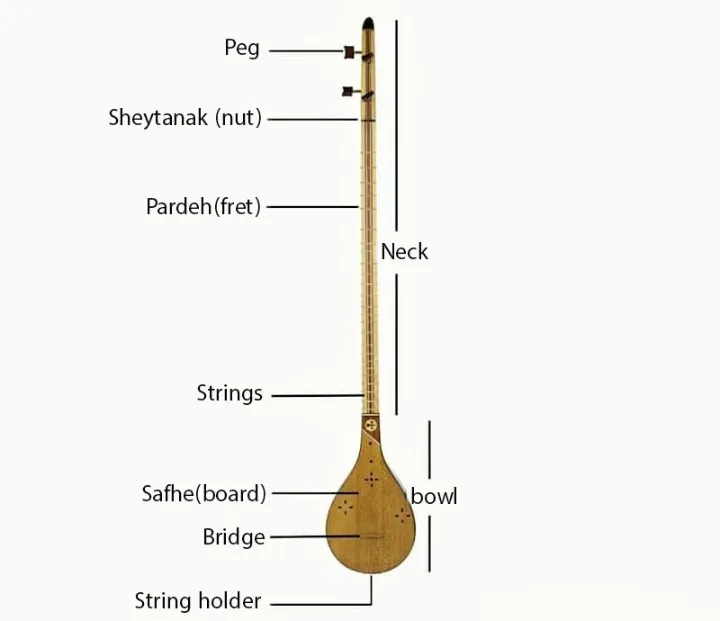
Main Components of the Setar
-
Body (Bowl): Crafted from mulberry wood, providing warmth and resonance.
-
Neck: Long and narrow, with movable frets that allow for microtonal Persian scales.
-
Strings: Four strings tuned in unique variations: the first string for high-pitched sounds, the second and third for mid-tones, and the fourth (Moshtagh string) for bass resonance.
Unique Setar Playing Techniques
The Setar is played with the nail of the right index finger rather than a pick. This gives the musician incredible control over dynamics, volume, and expression. The left hand presses down on the frets to form notes, producing fluid Setar solo performances full of subtle emotion.
Setar vs Tar: What’s the Difference?
Though both are iconic Persian music instruments, the Tar is louder, heavier, and better suited for large ensembles. The Setar, in contrast, is intimate and often used in private gatherings or for Setar meditation music and Setar music therapy.
The Setar’s History and Cultural Significance
Origins of the Setar
The history of the Setar traces back to the Abbasid era, likely evolving from the Tanbur. For centuries, it was played in solitude, in spiritual gatherings, and in private performances due to its soft, meditative sound.
Revival in the 20th Century
By the late 19th century, the Setar had nearly faded away, overshadowed by instruments like the Tar, Kamancheh, and Santur. However, in the 1970s, legendary famous Setar players such as Mohammad-Reza Lotfi, Hossein Alizadeh, and Dariush Talai revived it on stage. Their artistry restored the Setar’s prestige and introduced it to new audiences.
Persian Setar vs Indian Sitar
Despite their similar names, the Setar and Sitar are very different. The Persian Setar vs Indian Sitar comparison shows that the Setar is smaller, quieter, and more meditative, while the Indian Sitar has sympathetic strings and a more complex tonal range used in Indian classical music.
Playing, Buying, and Caring for a Setar
How to Play the Setar
Learning how to play the Setar starts with finger positioning, right-hand nail techniques, and understanding Persian modal systems (dastgahs). Beginners can start with a Setar learning course, explore Setar lessons on YouTube, or practice along with Setar sound samples to train their ear.
Setar Tuning Guide
Tuning a Setar requires patience. A basic Setar tuning guide suggests tuning the strings to:
-
First string (high pitch)
-
Second string (zir)
-
Third string (second zir)
-
Fourth string (bass/Moshtagh string)
Different tunings exist depending on whether you are playing Setar traditional melodies or modern fusion pieces.
Choosing the Best Setar for Beginners
When looking for the best Setar for beginners, keep these tips in mind:
-
Material: Mulberry wood offers the warmest tones.
-
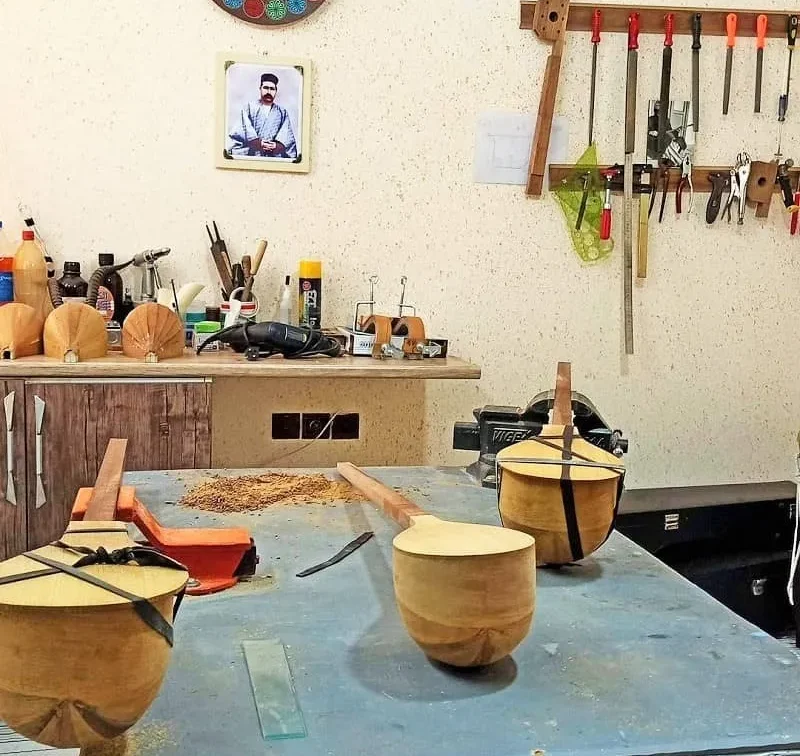
Craftsmanship: Ensure a straight neck, accurate frets, and well-balanced strings.
-
Price range: A mid-range instrument is best—avoid both the cheapest and the most expensive options for your first purchase.
-
Where to buy: You can buy Setar online at Persis Collection, where we offer authentic, handcrafted instruments with worldwide shipping.
Setar Maintenance Tips
Your Setar is like a living being—it needs care.
-
Store it in a case, away from direct sunlight, heat, or humidity.
-
Replace old or rusty strings regularly (Setar string replacement is essential for a clear sound).
-
Wipe it with a soft cloth, and occasionally condition the wood with almond oil (avoid touching the strings with oil).
With the right care, your Setar will stay alive and expressive for decades.
Conclusion: The Soul of Persian Setar Music
The Setar may be small and quiet, but its voice is louder than many instruments when it comes to emotion and storytelling. It embodies the essence of Persian Setar music, telling stories of solitude, joy, longing, and spiritual reflection.
At Persis Collection, we are proud to offer authentic Setars crafted by master artisans, making us the most trusted source to buy Setar online with guaranteed worldwide delivery. Whether you’re a beginner seeking your first instrument or a professional looking for the finest craftsmanship, the Setar will remain your lifelong companion.
If you are thinking about a first setar, the handmade pieces in our Persian musical instruments collection are built by working luthiers and delivered worldwide.


Comments