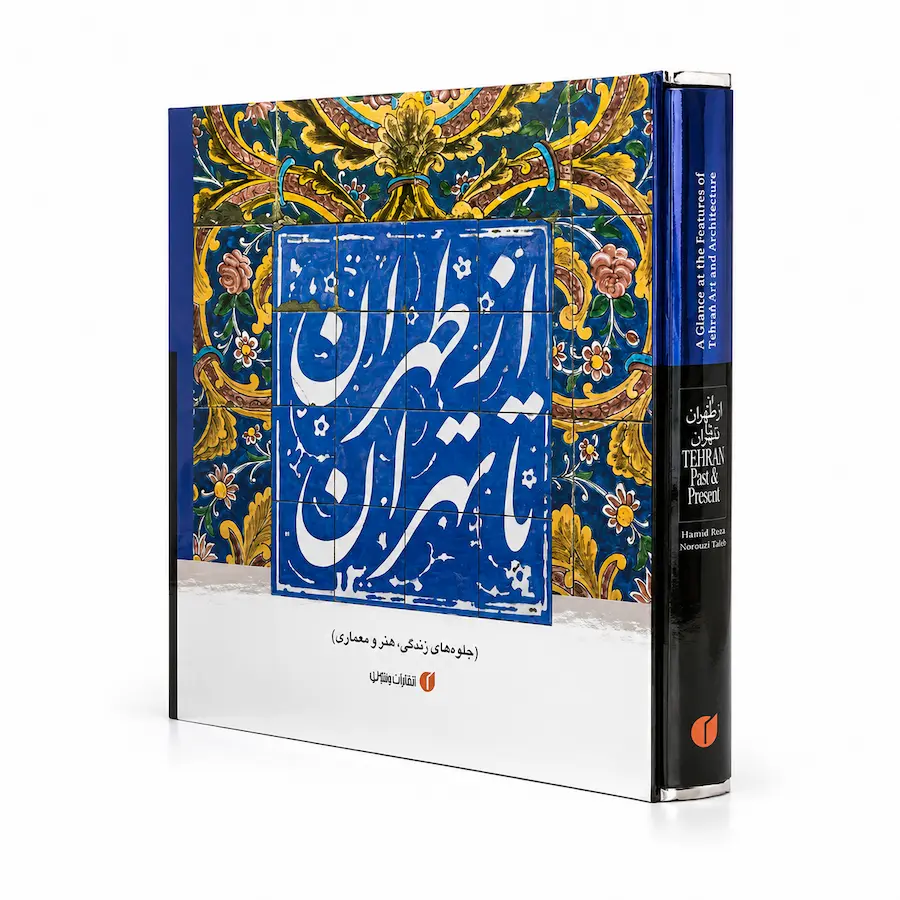
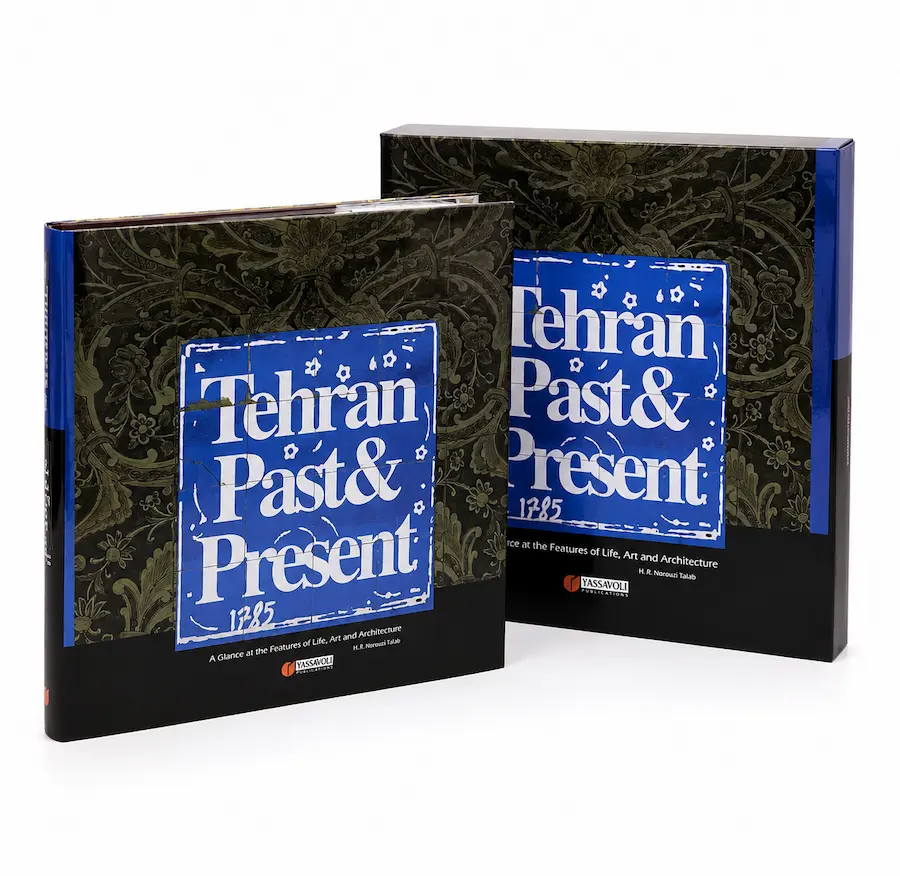
Persian Books: Tehran Art & Architecture, Qajar to Early Pahlavi
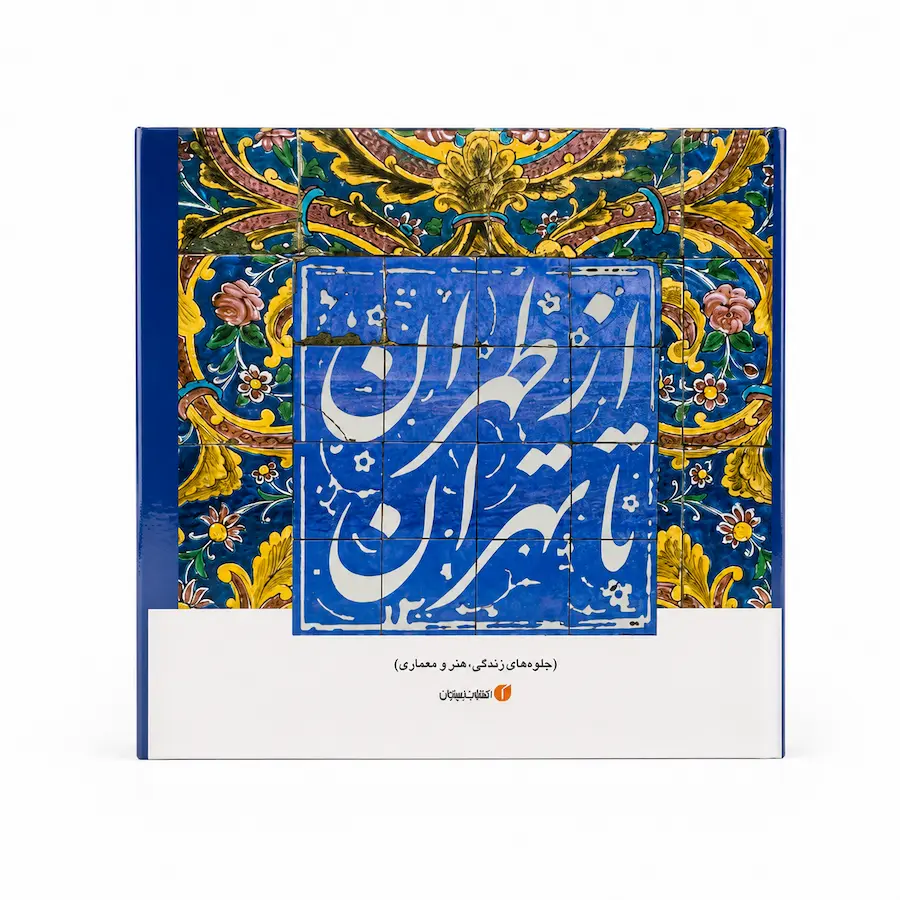
Open Tehran across two eras through a richly illustrated Tehran History Book devoted to the capital’s architecture, art, social life and transformation from old Tehran to the contemporary city. From Tehran to Tehran brings historic and newer views into conversation, covering palaces, historic houses, bazaars, architecture, tilework, plasterwork and the customs and everyday life of Tehran’s people. At Persis Collection, this bilingual Persian-English volume is a compelling choice for readers interested in a Persian History Book, architectural heritage, or a substantial visual book to keep and revisit. Its large 24 × 24 cm format, hard cover with case and 1,500 g weight give it the physical presence expected of an illustrated volume. Customers looking to buy Persian Books can also benefit from worldwide delivery.
Persian Books for Art, Architecture and Photography
Written by Hamidreza Norouzi Talab, translated by Ali Ario Farzi and photographed by Homayoun Amirigan, the book combines written context with a collection of images exploring Tehran old and new. As a Persian Photography Book, it offers a visual route into subjects that include Qajar and early Pahlavi art and architecture, historic buildings, bazaars, tilework and plaster decoration. The glossy paper supports its image-led format, while the bilingual Persian-English presentation makes the material accessible to readers of either language. For anyone specifically seeking a Tehran art and architecture book or Persian architecture book, its focus is unusually precise: rather than treating Persian architecture as a single broad subject, it concentrates on Tehran and the changes visible across the city. Explore more titles in our Persian Books collection.
Tehran Art and Architecture from Qajar to Early Pahlavi
The appeal of this book lies in the way the city itself becomes the subject. Tehran is presented through buildings and decorative details, but also through social life and changing customs, allowing architecture to be seen as part of a lived capital rather than as isolated monuments. The juxtaposition of old and newer Tehran gives the photography a narrative purpose, tracing a city that grew in size and importance and later gained new palaces, administrative buildings and other structures during the Pahlavi period. Attention to palaces, historic homes, bazaars, tilework and plasterwork brings both grand architecture and finer decorative surfaces into view. The result is a book for readers who want to encounter Tehran through its streets, buildings, art and changing urban identity, with photography providing the connection between architectural detail and the wider story of the city.