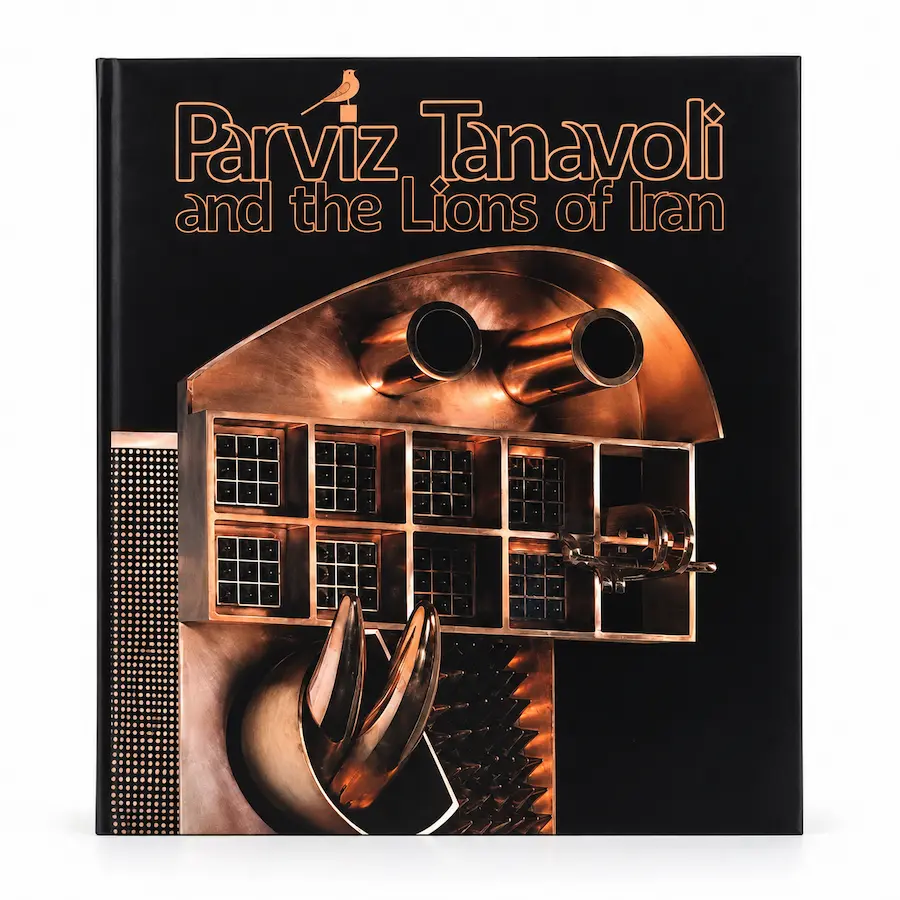
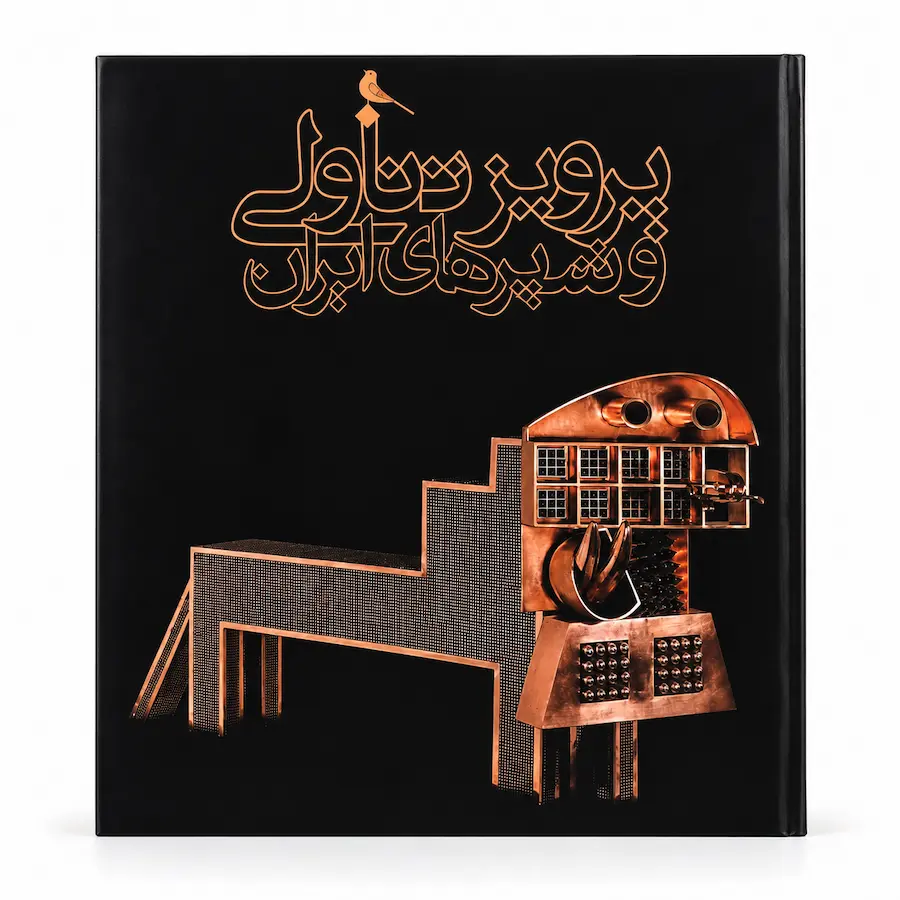
Tanavoli Lions of Persian: Bilingual Persian Art Book
Tanavoli Lions of Persian brings together the artistic vision and cultural research of Parviz Tanavoli, one of Persian’s most prominent contemporary sculptors and artists. Available from Persis Collection, this large-format book is an absorbing choice for readers interested in Persian art, symbolism and visual culture, as well as collectors looking for a distinctive Persian Book for Sale. Tanavoli, born in Tehran in 1937, is closely associated with the Saqqakhaneh school and is known for drawing on Persian mythology, calligraphy, and popular culture. For anyone looking to shop Persian Book titles with a serious art-historical focus, this volume offers a particularly focused subject: the lion and its changing place in Persian visual culture. Order tracking is provided for every order, giving added confidence when purchasing from our Persian Bookstore online.
Persian Historical Book Exploring Lions in Persian Art
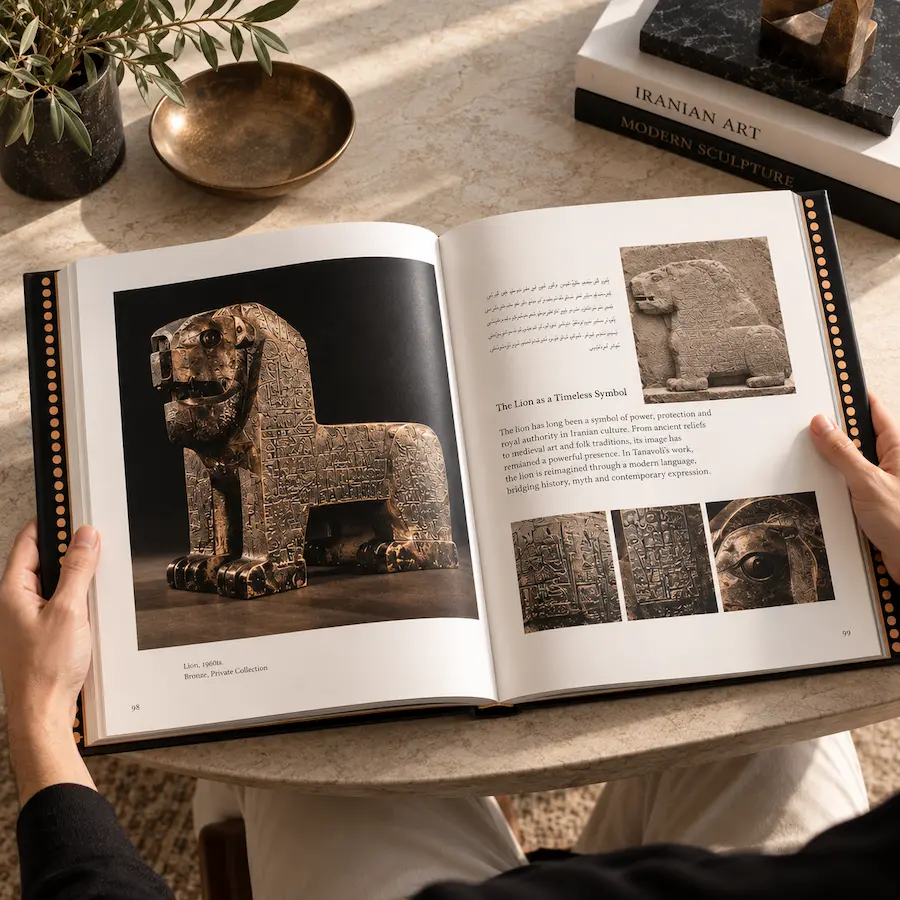
Among Persian Books concerned with art and cultural history, this volume stands out for examining a single powerful symbol across several artistic forms. Parviz Tanavoli explores representations of the lion through paintings, carpets, sculptures and jewellery, tracing how the animal has been used as a sign of power, courage and rulership. This makes the book particularly relevant to readers searching for Persian Historical Books, as its subject reaches beyond Tanavoli’s own work to consider the broader visual development of the lion in Persian culture. The large rahli format specified for the book is especially appropriate for a visually led study of artworks and objects, allowing the publication to function as a reference for art enthusiasts, collectors, and readers researching Persian imagery. Customers browsing for a Persian Bilingual Book or specialist Persian art publications can also explore our wider Persian Books collection to compare related titles.
Parviz Tanavoli and the Meaning of the Persian Lion
What gives this book its artistic character is the dialogue between Tanavoli’s own practice and a motif that repeatedly appears across Persian visual culture. The lion is not treated simply as decoration. Through examples drawn from painting, carpet design, sculpture and jewellery, the book follows its visual transformation while considering its associations with courage, authority and power. That approach feels particularly fitting for Parviz Tanavoli, whose work has long engaged with recognisably Persian sources, including mythology, calligraphic forms and popular culture. His position within the Saqqakhaneh movement adds another layer to the book’s appeal: the reader encounters the lion through the perspective of an artist whose contemporary practice has repeatedly reconsidered forms and symbols connected with Persian identity. For collectors of art publications, the result is more than a survey of lion imagery. It is an opportunity to see how one artist studies a familiar cultural symbol across different media and brings those observations into conversation with his own creative world.