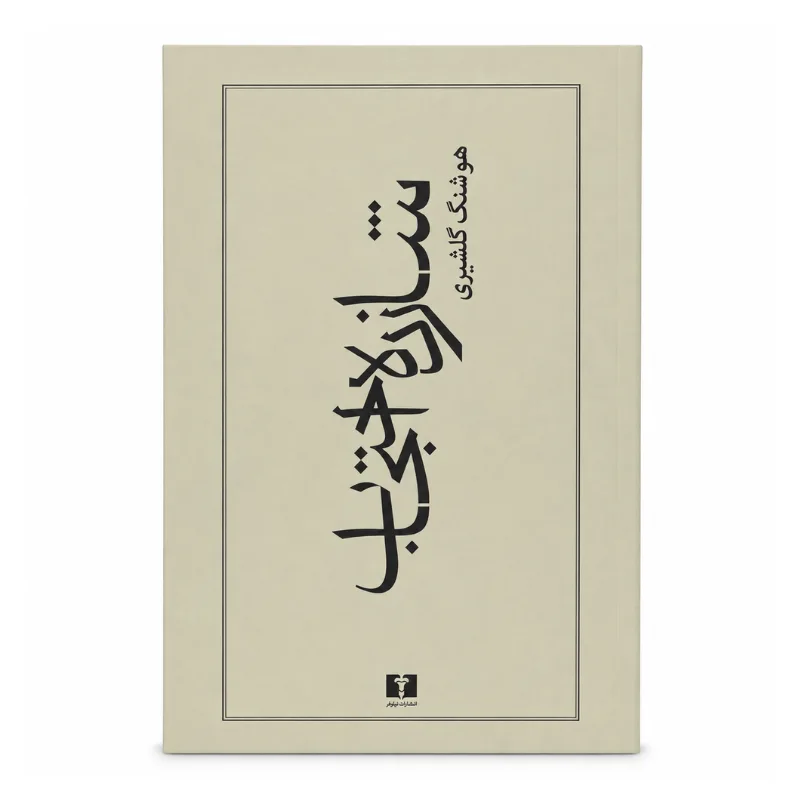
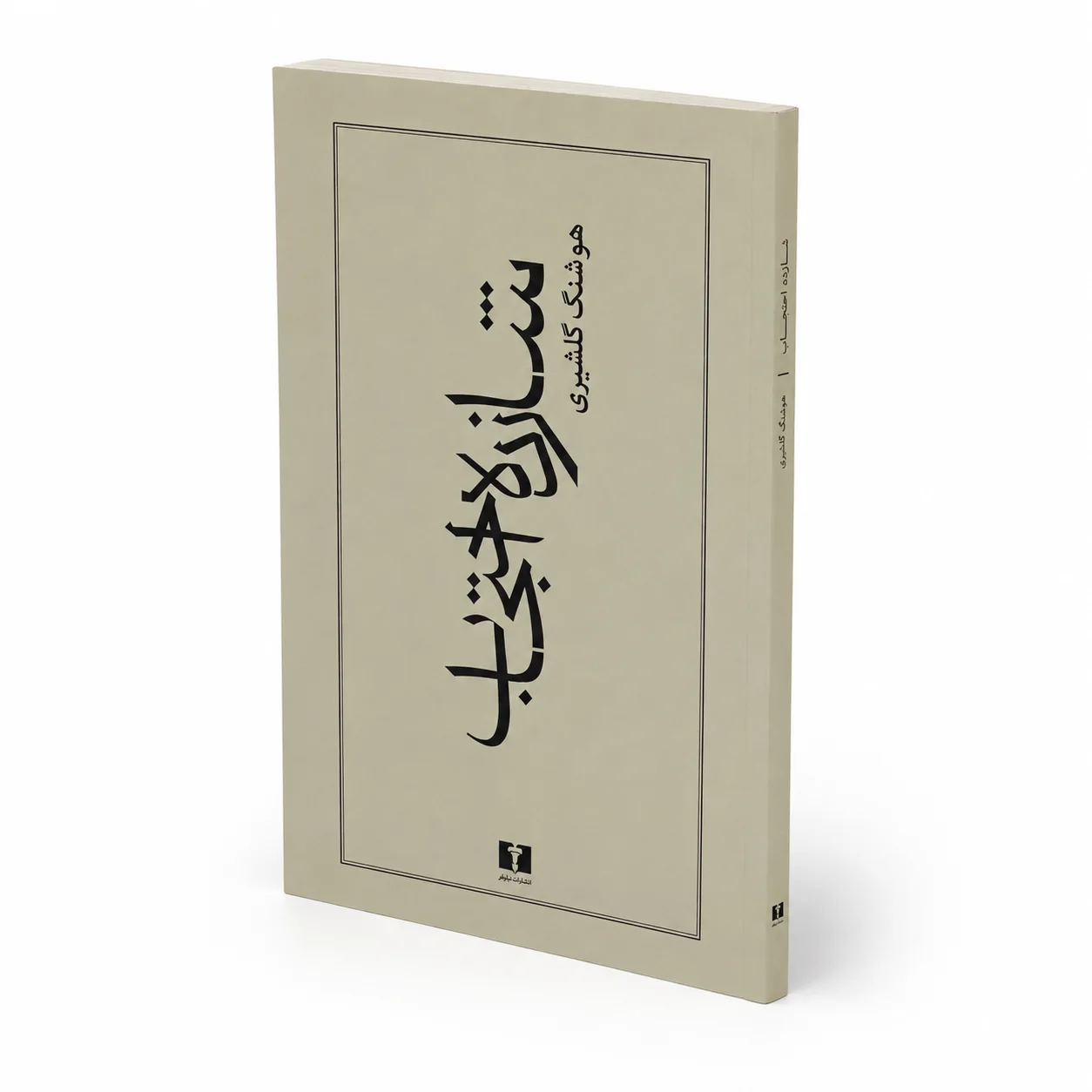
Shazdeh Ehtejab Persian Book by Houshang Golshiri
Shazdeh Ehtejab draws the reader into the fading world of a Qajar family through its last surviving prince, now ill, childless, and alone in a once-grand mansion after dismissing his household servants. This Shazdeh Ehtejab Persian Book by Houshang Golshiri is a compelling choice for readers exploring contemporary Persian fiction and for those building a collection of literature in Persian. The only person who still visits the prince is Morad, a former steward who occasionally arrives carrying news of another acquaintance’s death, giving the story an increasingly intimate sense of disappearance and loss. Available from the Persis Collection with worldwide delivery, it offers readers an opportunity to encounter the work of a writer and critic described in the supplied information as one of the important figures in contemporary Persian fiction. Readers looking to buy Persian Book titles can also explore our Persian books collection.
Houshang Golshiri Shazdeh Ehtejab Persian Book Details
The Houshang Golshiri Shazdeh Ehtejab edition supplied here is a paperback in the format identified in the original product information as roqa’i. The source does not provide measurements, page count, or further production details, so these have deliberately not been assumed. As a Persian novel, its appeal lies in the story itself. The central character is the last surviving member of a Qajar family. His family’s former splendour has disappeared. Illness and isolation have reduced his world to the mansion and Morad’s occasional visits.
For customers searching a Persian bookstore online or browsing a Persian bookstore for modern fiction, the Shazdeh Ehtejab book is easy to identify. The listing clearly gives the author, title, and paperback format. It also avoids unsupported claims about the edition. Discover more writing in the same category through our Persian Book collection.
Persian Novel and the Fading World of a Qajar Prince
The artistic force of the story comes from its contrast between past grandeur and the prince’s diminished present. Rather than presenting the Qajar household at the height of its power, Golshiri places a solitary descendant inside a large mansion after the servants have gone, with sickness closing in and Morad bringing reminders of death from beyond its walls. That tension between inherited status, physical decline, and uncomfortable family memories gives the novel much of its distinctive atmosphere. A passage from Shazdeh Ehtejab captures this voice particularly well:
بخشی از کتاب شازده احتجاب:
«باور کنید، این جد کبیر فقط از بابت کین پس مبارکش ناراحت بوده: یک روز خونریزی دارد، یک روز باید عمل بکنند، یک روز حکیم ابونواس سواری را قدغن کرده است و یک روز باید مسهل خورَد یا در اندرونی، پنهان از چشم عملهٔ خلوت، شراب نوشد تا بلکه بواسیر راحتش بگذارد. همهاش همین است.»
English translation:
“Believe me, this great ancestor was troubled only by his blessed backside: one day it was bleeding, another day they had to operate; one day Hakim Abu Nuwas forbade him from riding, and another day he had to take a laxative or drink wine in the andaruni, hidden from the eyes of the private attendants, in the hope that his haemorrhoids might leave him in peace. That was all.”
For readers discovering Persian literary fiction, this passage gives a direct taste of Golshiri’s style. It strips away the grandeur of the family past and replaces it with uncomfortable human detail. The contrast is central to the Shazdeh Ehtejab Persian Book. Memories of Qajar status remain, but they sit beside illness, mortality and private family realities.