


How to Buy a Persian Rug: Types, Quality and What to Look For
- Persis Collection
- 19 June 2026
- Persian Rug
- 3 minutes
A real Persian rug is not just a floor covering. It is a piece of art, woven by hand over months or even years, and cared for well it can last for generations. But buying one can feel daunting if you do not know what to look for. This guide walks you through the essentials, so you can buy a Persian rug with confidence.
What makes a rug genuinely Persian?
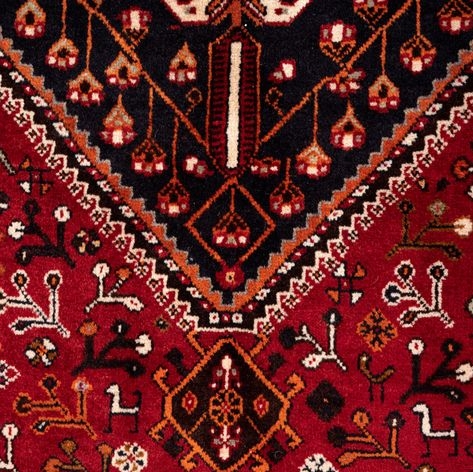
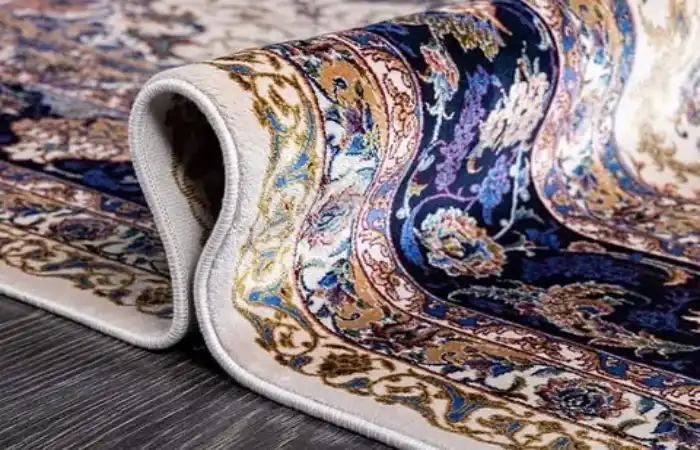
A true Persian rug is hand-knotted in Persian, usually from wool or silk on a cotton foundation, and coloured with rich, lasting dyes. Each region has its own patterns and palette, and every rug is tied knot by knot by a skilled weaver. That handwork is what separates a Persian rug from a mass-produced imitation, and it is what gives each one its character and value.
Hand-knotted, machine-made or hand-tufted?
This is the most important distinction. A hand-knotted rug is woven entirely by hand and is the genuine article. A machine-made rug is produced quickly by a loom and has little lasting value. A hand-tufted rug is made by punching yarn into a backing and gluing it, which is not the same as knotting. The easiest test is to turn the rug over. On a hand-knotted Persian rug the pattern is clearly visible on the back, the knots are slightly irregular, and the fringe is part of the rug rather than sewn on.
Knot density and quality
The number of knots in a given area, sometimes called the raj or knots per square inch, affects how fine and detailed a rug can be. A higher knot count allows more intricate designs and usually reflects more skilled, time-consuming work. It is not the only measure of quality, but together with the materials and the weave it tells you a lot.
Materials
Most Persian rugs are wool, prized for its durability and warmth. Silk rugs are finer, more lustrous and more delicate, often made as display pieces rather than for heavy footfall. Some rugs combine wool and silk, using silk to highlight parts of the design. The foundation, the warps and wefts beneath the pile, is usually cotton.
Regional styles
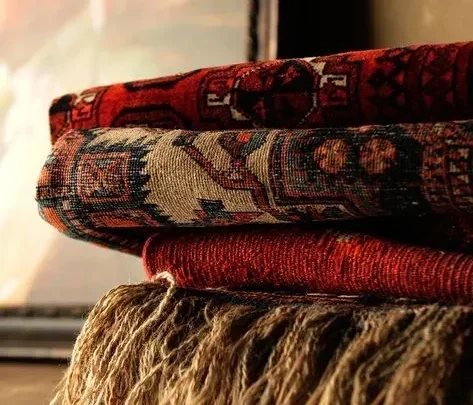
Part of the joy is the variety. Cities such as Tabriz, Kashan, Persian Heritage, Nain and Qom are known for refined, intricate designs, while Heriz rugs are bolder and more geometric. Tribal and village weaves, including Gabbeh and flatwoven Kilims, have a warmer, simpler charm. Pictorial rugs, known as tableau carpets, are woven like paintings to hang on a wall, and they are one of our specialities.
Colours and dyes
Traditional rugs use natural dyes that age beautifully and never look harsh. A gentle variation in colour across a rug, known as abrash, is a natural feature of hand-dyed wool and a sign of authenticity rather than a flaw.
Caring for your Persian rug
Treated well, a Persian rug improves with age. Rotate it now and then so it wears evenly, vacuum gently without a hard beater bar, and deal with spills quickly by blotting rather than rubbing. Keep it out of constant damp, and have it professionally cleaned every few years rather than soaking it yourself.
Frequently asked questions
How can I tell if a Persian rug is real? Turn it over. A genuine hand-knotted rug shows its pattern on the back, has slightly irregular knots, and the fringe is part of the weave.
Are Persian rugs a good investment? A fine hand-knotted rug holds its value well and can be passed down, unlike a machine-made rug, though condition and quality matter a great deal.
Wool or silk? Wool is hard-wearing and ideal for floors. Silk is finer and more delicate, better suited to display pieces and wall hangings.
How do I clean a Persian rug? Vacuum gently, blot spills at once, and use a professional rug cleaner for a deep clean rather than washing it at home.
Where can I buy an authentic Persian rug? Persis Collection offers handwoven Persian rugs and tableau carpets sourced from Persian weavers, with worldwide delivery.
When you are ready to choose one, explore our Persian rugs and tableau carpets.
Comments