


Yalda Night: The Persian Celebration of the Longest Night

- Persis Collection
- 19 June 2026
- Persian
- 2 minutes
On the longest, darkest night of the year, Persian families gather to do something quietly beautiful: they stay up together to welcome the return of the light. This is Yalda Night, also called Shab-e Yalda or Shab-e Chelleh, one of the oldest celebrations in Persian culture. Here is what it is, where it comes from, and how it is marked today.
What is Yalda Night?
Yalda is the eve of the winter solstice, the night when darkness is at its longest before the days slowly begin to lengthen again. For thousands of years Persians have celebrated this turning point as the victory of light over darkness and the symbolic birth of the sun. Its roots reach back to ancient Zoroastrian belief, and it has been cherished ever since.
When is Yalda?
Yalda falls on the night of the winter solstice, around 20 or 21 December each year, the eve of the first day of winter in the Persian calendar.
How Yalda is celebrated
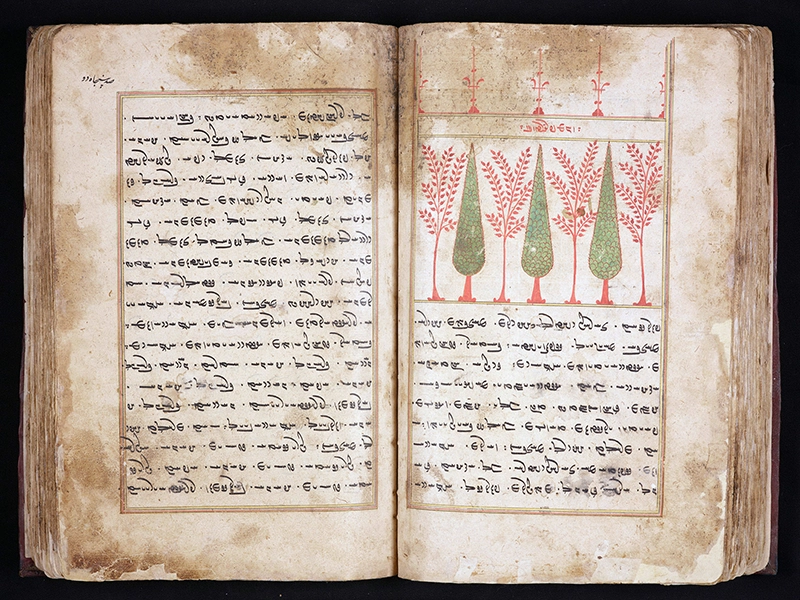
The heart of Yalda is simply being together. Families gather at the home of grandparents or elders and stay awake late into the night, talking, laughing and sharing food. A much-loved tradition is the reading of Hafez, the great Persian poet. Someone makes a wish, then opens his Divan at random, and the poem on that page is read aloud as a kind of fortune, known as Faal-e Hafez. Grandparents tell stories, and the night passes in warmth and company.
The foods of Yalda
Red fruits take pride of place, above all the pomegranate and the watermelon. Their deep red colour stands for the glow of dawn and the warmth of life, and eating them is said to protect against the cold of the coming winter. Alongside them you will find ajil, a mix of nuts and dried fruits, as well as sweets and plenty of tea. The table is generous and colourful, a small act of defiance against the dark.
What Yalda means
More than anything, Yalda is about hope. It marks the moment when the longest night gives way and the light begins to return, and it gathers the family together to face the winter as one. For Iranians living far from home, keeping Yalda is a way of staying close to their roots and passing the tradition to the next generation.
Celebrating Yalda today
You do not need much to mark Yalda: a bowl of pomegranates and watermelon, some nuts and sweets, a volume of Hafez, and the people you love. A thoughtful Yalda gift, perhaps something with the pomegranate motif that is so tied to the night, makes the evening feel special, especially when family cannot all be in one place.
Frequently asked questions
What is Shab-e Yalda? It is the Persian celebration of the winter solstice, the longest night of the year, marking the return of longer days.
When is Yalda Night? On the eve of the winter solstice, around 20 or 21 December.
Why are pomegranate and watermelon eaten? Their red colour symbolises the dawn and the warmth of life, and they are believed to bring health through the winter.
How do you celebrate Yalda? By gathering with family, staying up late, reading Hafez, telling stories and sharing red fruits, nuts and sweets.
What makes a good Yalda gift? Something warm and meaningful, often featuring the pomegranate, to share with family on the night.
To help you celebrate, explore our Yalda Night gifts and decorations and our Yalda collection.
Comments