


How to Buy Real Persian Saffron and Use It in Cooking
- LemPersis2025
- 23 July 2025
- Taste of Persia
- 4 minutes
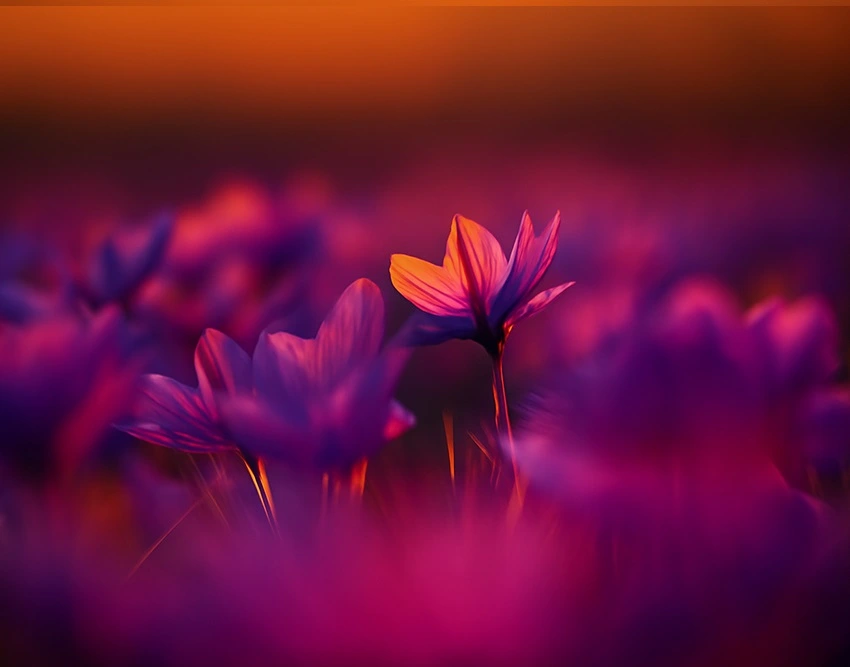
Saffron is the dried stigma of the crocus flower, and it remains one of the most expensive spices in the world by weight. Because a single kilogram of saffron threads requires roughly 150,000 hand-picked flowers, the market is full of diluted, dyed or entirely fake product sold at a fraction of the real price. Knowing what genuine saffron looks like, smells like and costs is the most reliable way to avoid being sold safflower, turmeric or dyed corn silk instead of the real thing.
What Genuine Saffron Looks Like
Real saffron threads are trumpet-shaped, flaring out slightly at one end where the stigma was attached to the flower, and tapering to a point at the other. The colour should be a deep, even red along most of the thread, sometimes with a small orange tip where the style met the flower. Threads that are uniformly orange, or that have been cut into short blunt pieces, are usually a sign of a lower grade or an adulterated batch. The best grade, known in Persian as sargol, is made up entirely of the red stigma with none of the yellow style attached, which gives it the strongest colour and flavour. A cheaper grade called pushal keeps some of the yellow style intact, which dilutes both the colour and the price.
The Aroma and the Water Test
Genuine saffron has a distinctive smell, often described as hay-like and faintly sweet, closer to dried grass and honey than to anything floral. If a sample smells musty, chemical or barely of anything at all, treat it with suspicion. A simple test at home is to drop two or three threads into a small glass of warm water. Real saffron releases its colour slowly, over several minutes, turning the water a warm gold before deepening further. Fake or dyed saffron tends to bleed colour almost instantly, often producing a bright red or orange tint rather than gold, because it has been coloured with a dye rather than the compound crocin that gives real saffron its colour.
Where the Best Persian Saffron Comes From
Persian produces the large majority of the world’s saffron, and within Persian the crop is concentrated in Khorasan, in the northeast of the country, particularly around Qaenat, Torbat Heydarieh, Gonabad and Birjand in Persian Heritage and Khorasan Razavi provinces. The climate here, hot dry summers and cold winters at altitude, suits the crocus plant, which flowers for only a short window each autumn and must be harvested by hand at dawn before the blooms open fully in the sun. Kashmar, further west in Khorasan Razavi, is another long-established growing area. When a seller can name the growing region and harvest year, it is usually a good sign that the saffron has been sourced properly rather than blended from unknown stock.
Price as a Warning Sign
Saffron cannot be cheap, because the labour of hand-picking flowers and separating the threads cannot be automated in any meaningful way. If a price looks too good for the quantity on offer, the product is very likely bulked out with safflower petals, marigold, turmeric powder or dyed threads from another plant. It is worth buying from a seller who states the grade, sargol, pushal or bunch saffron, and keeps the threads in dark, airtight packaging, since light and moisture both degrade saffron’s colour and aroma over time.
How to Use Saffron in Cooking
Saffron threads need to be steeped before they release their full flavour and colour, rather than added to a dish dry. Grind a small pinch of threads, around 15 to 20 for a dish serving four to six people, using a mortar and pestle or the back of a spoon, then add them to two or three tablespoons of hot water or milk that has cooled slightly from boiling. Let this sit for ten to fifteen minutes before stirring it into rice, a stew or a dessert. This steeping step matters because saffron’s flavour compounds are soluble but slow to release, and adding dry threads directly to a hot pan often wastes most of their colour and taste.
A little goes a long way. For a family-sized pot of rice, a quarter of a teaspoon of ground saffron, roughly half a gram, is usually enough to give both colour and aroma. In Persian cooking, saffron water is often drizzled over the top layer of rice just before serving, to create the marbled golden effect seen in dishes such as tahchin and zereshk polo, rather than mixed evenly through the whole pot.
Frequently Asked Questions
How can I tell if saffron is fake without a lab test?
Check the shape of the threads for a trumpet-like flare at one end, smell for a hay-like rather than floral scent, and drop a few threads in warm water. Genuine saffron colours the water slowly over several minutes rather than instantly.
Why is saffron so expensive?
Each crocus flower produces only three stigmas, which must be picked by hand during a narrow harvest window in autumn. It takes around 150,000 flowers to produce a single kilogram of dried threads, which makes the labour cost very high relative to the weight of spice produced.
Should I buy saffron threads or powder?
Threads are easier to check for authenticity, since powder can be mixed with turmeric or other cheap colourants without being noticeable. If you do buy powder, buy it from a seller who also sells whole threads and can vouch for the source.
How much saffron should I use per dish?
As a general guide, a quarter of a teaspoon of ground saffron, or 15 to 20 threads steeped in a little hot water, is enough for a rice dish serving four to six people. It is easy to add more after tasting, but hard to correct an overpowering, medicinal flavour caused by using too much.
How should saffron be stored?
Keep it in an airtight, opaque container away from direct light and heat, ideally in a cupboard rather than beside the stove. Stored this way, good quality saffron keeps its colour and aroma for two to three years.
Comments