


Shisha Flavours Explained: A Persian Perspective

Shisha flavours can feel overwhelming the first time you look at a menu with fifty or more options, from classic double apple to blueberry mint to rose. For anyone coming to this through a Persian lens, though, flavour has always been secondary to something more important: the ritual of sitting together, unhurried, over a slow-burning bowl. This guide covers what shisha flavours actually are, which ones sit closest to tradition, and how to choose or mix one without wasting a session on something you do not enjoy.
What actually gives shisha tobacco its flavour?
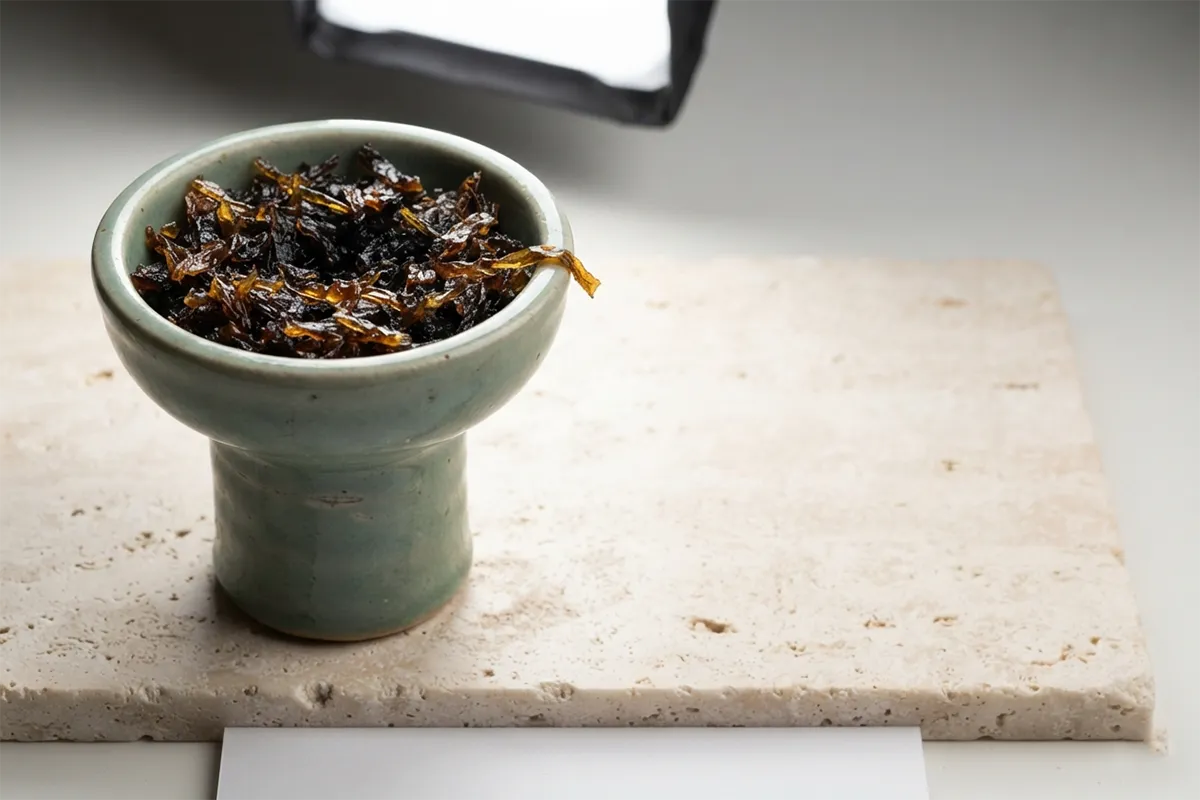
Shisha tobacco, sometimes called mo’assel (an Arabic word meaning “honeyed”), is tobacco leaf that has been shredded, then soaked and cured in a mixture of molasses or honey and glycerine, with flavouring added at this stage. The molasses keeps the mix moist so it never dries into ash the way a cigarette does, and the glycerine is largely responsible for the thick white smoke people associate with hookah. The flavour itself can come from natural fruit extracts, essential oils, or synthetic flavourings depending on the brand, which is part of why the same “flavour” can taste quite different between two manufacturers.
Which flavours sit closest to hookah’s traditional roots?
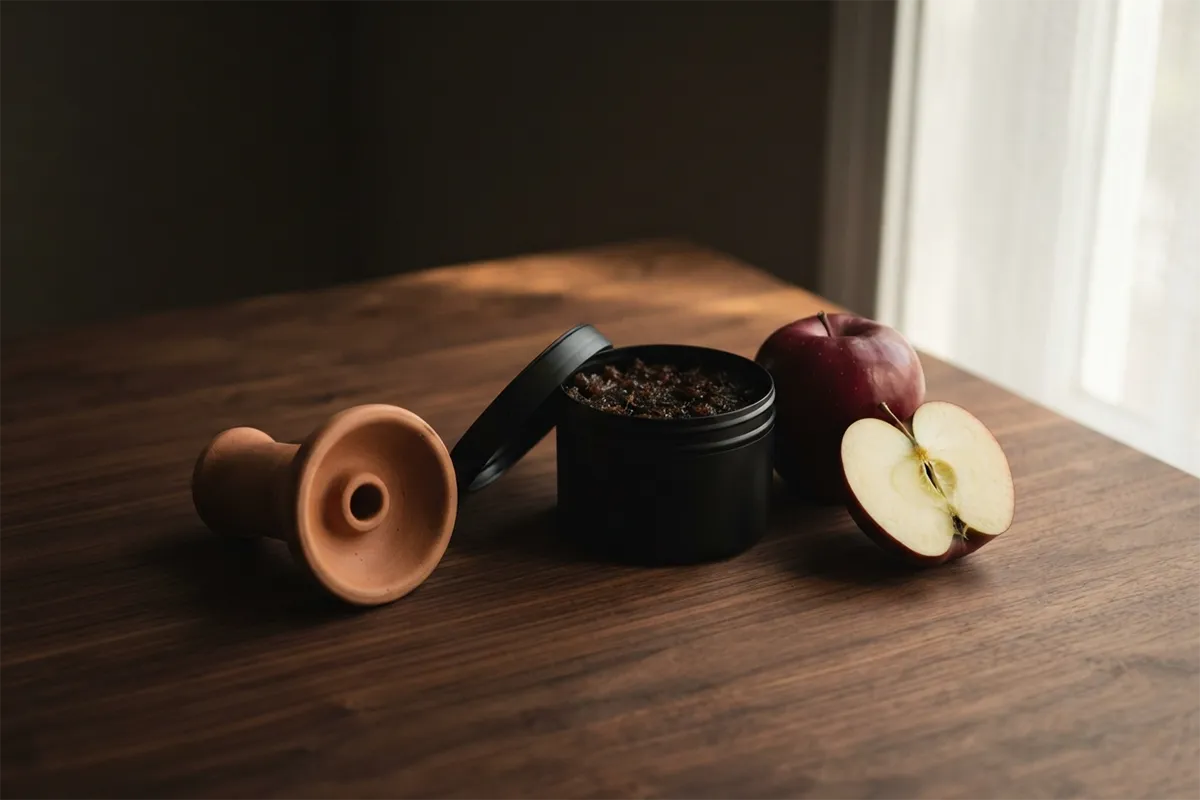
Before the flavoured tobacco boom of the last few decades, plain tobacco (sometimes called tumbak in Persian and across the wider region) and simple additions like apple or mint were the standard. Double apple in particular has become so closely associated with traditional hookah that it is often the benchmark newcomers are told to try first, since it is mild, slightly sweet, and rarely overpowering. In Persian specifically, tea houses have long favoured straightforward, less sugary blends, apple, mint, and grape being the most familiar, over the more elaborate dessert-style flavours that have become popular in Western shisha lounges.
How do Persian tea houses typically serve and pair flavours?
A qahvekhaneh, the traditional Persian tea house, usually keeps its hookah menu short and unfussy, since the pipe is meant to accompany conversation and tea rather than be the main event. Mint is a near-constant presence, often blended into whatever base flavour is being smoked, because it keeps the smoke feeling light rather than heavy across a long sitting. If you visit a proper Persian tea house, you will notice the hookah is rarely the loudest thing on the table: a glass of tea, a plate of dried fruit or nuts, and unhurried conversation usually take precedence, which says a lot about how flavour fits into the wider ritual rather than being the point of it.

How do you mix flavours without one overpowering the other?
The general rule among experienced smokers is to build a bowl around one dominant flavour and use a second only as an accent, rather than combining two or three strong flavours in equal measure. Mint is the most forgiving mixer because it rarely clashes with fruit or spice notes, which is why apple and mint, or grape and mint, remain two of the most reliable combinations to fall back on. If you are experimenting, start with a ratio of roughly three parts base flavour to one part accent, and adjust in small steps next time rather than guessing at a fifty-fifty blend, which more often muddies both flavours than complements them.
Are fruit and dessert flavours less “authentic” than traditional blends?
Not really, though it is a common assumption. Flavoured tobacco itself is a relatively modern development in hookah’s long history, so there is no single “correct” flavour any more than there is a single correct way to brew tea. What has stayed consistent, in Persian tea culture especially, is the pace and the social setting around the pipe rather than any particular flavour profile. If a rich dessert flavour like double apple with a hint of clove is what gets you to sit down for an hour with friends, that is closer to the spirit of the tradition than a historically “purer” blend smoked alone and quickly.
How should a beginner choose their first flavour?
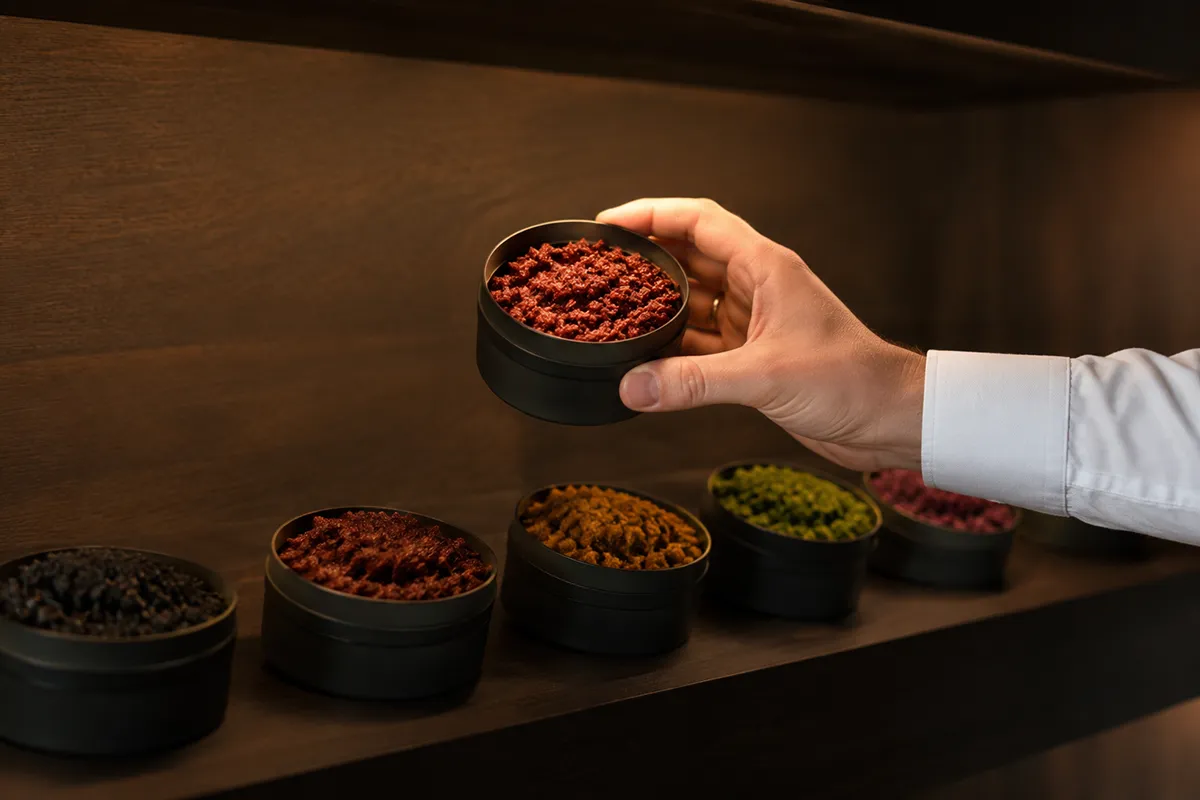
Start mild and familiar rather than reaching for the most exotic option on a menu, since a heavy or unusual flavour can be off-putting before you have learned how a well-packed bowl is even meant to taste. Double apple, plain mint, or grape are the safest starting points precisely because they are forgiving of imperfect technique and give you a clear baseline before you branch out into more complex blends. From there, most people find their preferences quickly, some gravitate towards citrus and mint for something lighter, others towards deeper, spiced or dessert-style flavours for a slower evening session.
Conclusion
Shisha flavours are worth exploring, but in Persian hookah culture they have always taken a back seat to the ritual itself: unhurried company, tea, and a pipe that is meant to last, not be rushed. Whether you stick with a classic double apple or build your own mint-accented blend, the flavour matters less than the pace you smoke it at. If you are just getting started with the setup itself rather than the tobacco, our step-by-step hookah tutorial covers packing and lighting a bowl properly, and pairing an evening of hookah with a game of backgammon is a genuinely Persian way to spend a long evening. You can browse our full range of shisha tobacco and accessories in the shisha collection.
Frequently Asked Questions
What is the mildest shisha flavour for a first-time smoker?
Plain mint or double apple are generally considered the mildest and most forgiving starting points, since neither is overly sweet or intense compared with dessert-style flavours.
Does the flavour affect how long a bowl lasts?
Not directly, though thicker, syrup-heavy flavours can sometimes burn slightly faster if packed too densely. Packing technique and heat management affect session length far more than the flavour itself.
Can shisha flavours be mixed safely?
Yes, mixing different flavoured tobaccos is common practice and safe, provided you are combining shisha tobaccos intended for hookah use rather than unrelated products.
Why does Persian hookah culture favour simpler flavours?
Persian tea houses have traditionally treated hookah as an accompaniment to conversation and tea rather than the focus of the evening, so simpler, less sweet flavours that do not overwhelm a long sitting have remained the norm.
Is double apple an actual apple flavour?
Not quite. Double apple is a blend historically associated with a mix of red and green apple notes along with a hint of anise or spice, rather than a single, true-to-fruit apple taste.
Comments