


What Is a Persian Mug? The Craft Behind Iranian Ceramic Mugs
- tina atrg
- 28 June 2022
- Home Decor
- 3 minutes
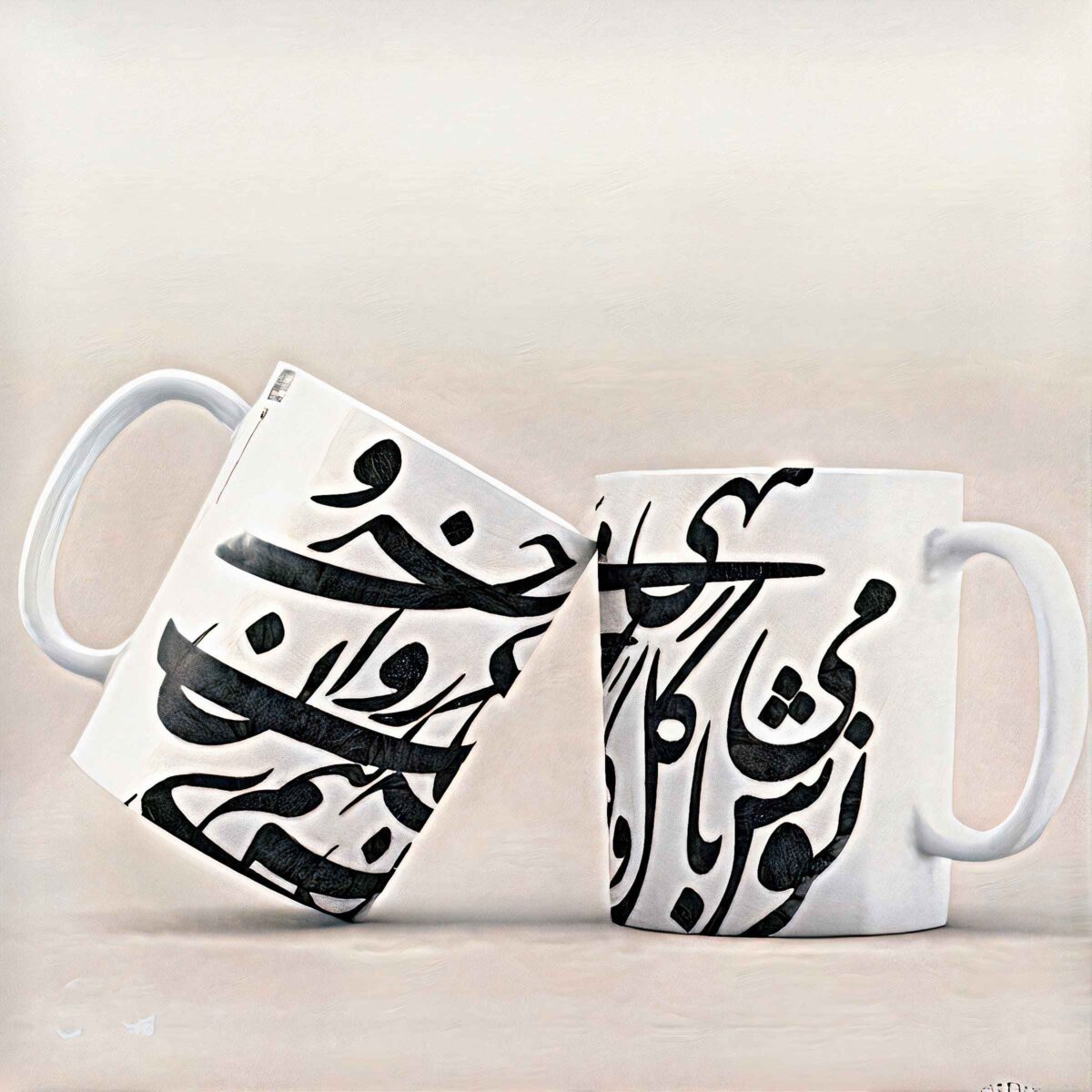
A Persian mug is a hand-painted ceramic cup used for tea, usually larger than the small estekan glasses used for a quick cup but still built around the same everyday ritual of tea drinking. Persian potters have been making glazed ceramic drinkware for centuries, and the mugs sold today carry on that tradition with patterns drawn straight from Persian miniature painting, calligraphy and tilework.
What Makes a Persian Mug Different
Most mass-produced mugs are printed using a transfer or decal, so the pattern sits as a thin layer on top of the glaze. A genuine Persian ceramic mug is different: the design is painted by hand before the glaze goes on, so the pattern becomes part of the surface rather than sitting on top of it. That’s why no two mugs from the same batch are perfectly identical, and why the paint doesn’t wear off with washing the way a printed design eventually does.
How Persian Ceramic Mugs Are Made
Shaping and Glazing
The body of the mug starts on a potter’s wheel or in a mould, then goes through a first firing, known as the bisque firing, which hardens the clay enough to handle without breaking. After that, the piece is dipped or brushed with a base glaze and left to dry before any decoration begins.
Hand-Painted Patterns
The painting stage is where the mug becomes recognisably Persian. Artisans work freehand or from a light pencil outline, using mineral-based pigments that will fuse into the glaze during the second firing. Common motifs include Eslimi scrollwork, Boteh (the teardrop shape familiar from Persian textiles), miniature garden scenes, and lines of Nastaliq calligraphy, often verses from Hafez or Rumi. Once the painting is finished, the mug goes back into the kiln for a final high-temperature firing that seals the glaze and locks the colours in permanently.
Stoneware vs Ceramic: Which Material to Choose
“Ceramic” is really an umbrella term, and Persian mugs are usually made from one of two clay bodies. Earthenware ceramic is fired at a lower temperature, which keeps the colours bright and the price accessible, but the body is slightly more porous and less resistant to chipping. Stoneware is fired at a higher temperature, which makes it denser, harder wearing and safer for daily use in a dishwasher, though the colour palette tends to be a touch more muted because some pigments can’t survive the higher heat. If you want a mug for daily use rather than display, stoneware is generally the sturdier choice; if you want the most vivid, traditional colour work, a hand-painted earthenware piece is usually the better-looking option.
Why Persian Mugs Suit Everyday Tea Drinking
Tea in Persian is drunk throughout the day, often several cups at a sitting, so the vessel matters. Most Persian mugs hold around 300 to 350ml, roughly double a traditional estekan glass, which suits the habit of pouring a fresh cup rather than topping up a small one repeatedly. The glaze also keeps the tea’s temperature steadier for longer than thin glass, and a wider handle makes it comfortable to hold through a long conversation over several refills, which is really the point of Persian tea culture in the first place.
Choosing a Persian Mug as a Gift
Because each mug is painted individually, they work well as a personal gift rather than a generic one. A mug with a calligraphy verse suits someone who reads Persian poetry; a mug with a garden or bird motif suits someone who prefers something quieter. They’re a practical size to post, don’t need any special care beyond hand washing to protect the painted detail, and give the recipient something to use daily rather than put on a shelf.
Frequently Asked Questions
What is a Persian mug made from?
Most are made from earthenware or stoneware clay, shaped, bisque-fired, hand-painted, glazed and then fired again at a high temperature to seal the design.
How is a Persian mug different from an ordinary printed mug?
The pattern on a genuine Persian mug is painted by hand before the final glaze firing, so it becomes part of the surface rather than a printed layer that can wear off.
Is stoneware or earthenware better for daily use?
Stoneware is denser and more chip-resistant, making it better suited to daily use and dishwashers. Earthenware tends to show brighter, more traditional colours but needs slightly gentler handling.
How much liquid does a Persian mug hold?
Most hold around 300 to 350ml, roughly double the size of a traditional Persian tea glass (estekan).
Are the patterns on Persian mugs symbolic?
Many are. Boteh shapes reference Persian textile design, Eslimi scrollwork is drawn from classical Islamic art, and calligraphy motifs often quote lines from poets such as Hafez or Rumi.
How should I clean a hand-painted Persian mug?
Hand washing is recommended to protect the painted glaze over the long term, even if the mug is technically dishwasher-safe.


Comments