


Fal-e Varagh: The Persian Tradition of Fortune Telling with Playing Cards
- maryam jafary
- 10 August 2025
- Game
- 4 minutes
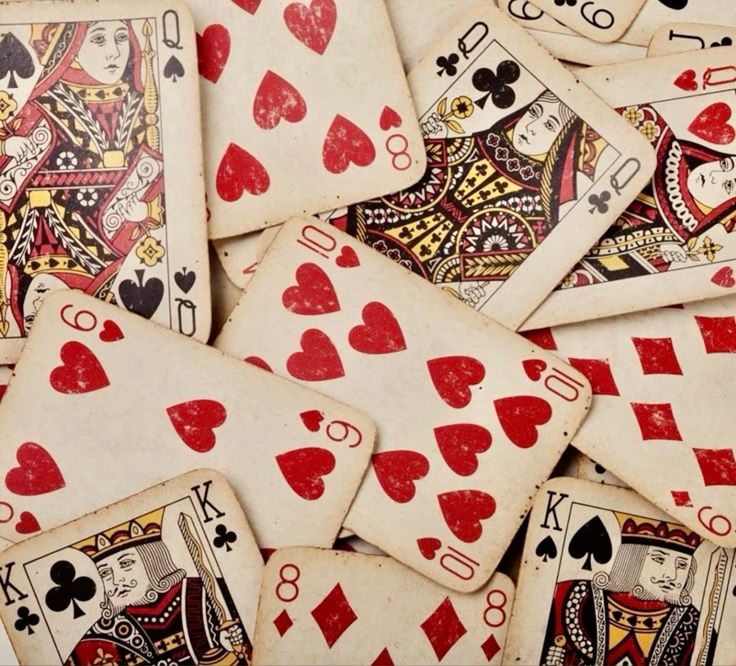
Fal-e varagh, literally “card fortune”, is the Persian tradition of reading ordinary playing cards for guidance and amusement, most often practised at family gatherings, on long winter nights or around Nowruz and Yalda celebrations. It sits alongside other Persian divination customs such as fal-e hafez, the practice of opening a book of Hafez’s poetry at random for an answer, and belongs to a much older culture of storytelling that runs through Persian social life rather than to any single formal system like tarot.
What Is Fal-e Varagh?
Fal-e varagh uses a standard deck of 52 playing cards, the same four suits of hearts, diamonds, clubs and spades familiar from card games, rather than a dedicated divination deck. A reader shuffles the deck while the person asking a question, sometimes called the saheb-e fal, or “owner of the fortune”, holds a question or a general wish in mind. The cards are then dealt into a spread, and the reader interprets the cards both individually and in relation to their neighbours, drawing on a body of traditional meanings passed down informally rather than printed in any single authoritative text. Because the meanings are learned through family and friends rather than from a manual, they vary somewhat from one reader, city or household to the next, in the same way folk stories vary in the retelling.
How Fal-e Varagh Differs from Tarot
Tarot uses a purpose-built 78-card deck, with 22 major arcana cards carrying elaborate symbolic imagery and a further 56 minor arcana cards split into four suits. Fal-e varagh, by contrast, uses the ordinary deck found in any Persian household, the same cards used for games such as hokm or pasur. There is no equivalent to the major arcana, no fixed rulebook of card meanings, and no professional guild or standardised training behind it. Where tarot reading in the West often developed into a formalised practice with named spreads, such as the Celtic Cross, fal-e varagh has stayed closer to an oral, domestic tradition, usually practised by an older relative, often a grandmother or aunt, who learned it informally over decades rather than from a course or book.
A Social Tradition, Not a Solitary One
What distinguishes fal-e varagh most clearly is its setting. It is rarely done alone or in silence. It typically happens around a table with tea and sweets, among family or close friends, often late in the evening, with plenty of conversation, laughter and teasing woven through the reading itself. The person doing the reading is often a respected elder in the family, and the ritual carries as much social and emotional weight as any literal expectation about the future. Long winter nights, particularly around Yalda, the winter solstice celebration, are a traditional occasion for this kind of gathering, alongside reciting poetry, eating pomegranates and watermelon, and staying up late together as a household.
Fal-e Hafez and Persian’s Wider Culture of Fortune Telling
Fal-e varagh is only one branch of a much broader Persian custom of seeking guidance through chance and interpretation. The best known is fal-e hafez, in which someone holds a question in mind, opens a copy of the Divan of Hafez, the fourteenth-century poet from Shiraz, at a random page, and reads meaning into the verse that appears. This practice is common at Nowruz, when a copy of the Divan often sits on the haft-sin table alongside the Quran or the Shahnameh, ready for anyone in the household to consult. Tea leaf reading, known as fal-e ghahve when done with the grounds left in a coffee cup, is another familiar form, again practised socially rather than professionally. Card fortune telling shares the same spirit as these traditions, less a claim to genuine prediction and more a shared ritual of reflection, storytelling and connection between the people taking part.
Understood this way, fal-e varagh is best approached as a piece of living folklore, part of the wider fabric of Persian hospitality and gathering, rather than as a literal forecasting tool. Its real value lies in the conversation it starts and the time it brings people together around a table, which is exactly the ritual that has kept it alive across generations.
Frequently Asked Questions
What is fal-e varagh?
Fal-e varagh is an Persian tradition of reading ordinary playing cards for guidance or amusement, usually carried out at family or social gatherings rather than as a formal or professional practice.
How is fal-e varagh different from tarot?
Tarot uses a dedicated 78-card deck with major and minor arcana and a body of published, relatively standardised meanings, while fal-e varagh uses an ordinary 52-card deck and relies on meanings passed down informally within families, which can vary from one reader to another.
What is fal-e hafez and how does it relate to card fortune telling?
Fal-e hafez involves opening the poetry collection of Hafez at random for a verse thought to answer a question in mind. It shares the same spirit as fal-e varagh, using chance and interpretation as a form of reflection, and is especially associated with Nowruz.
When is fal-e varagh typically practised?
It is most associated with evening gatherings among family and friends, particularly during long winter nights and celebrations such as Yalda, when tea, sweets and storytelling are part of the same occasion.
Is fal-e varagh taken as a literal prediction of the future?
For most Persian families it is treated as folklore and a social ritual rather than a literal forecast, valued for the conversation and togetherness it creates rather than as a genuine claim about what will happen.


Comments