


Kurdistan Province of Iran
- Negin Masihi
- 19 August 2025
- Persian
- 4 minutes
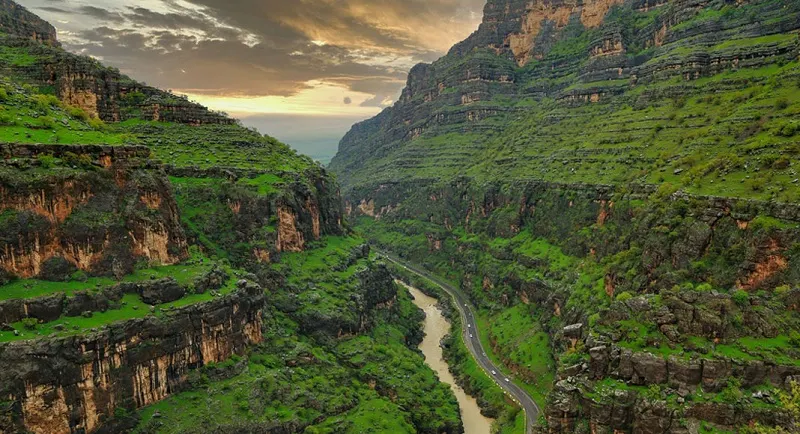
Kurdistan Province, in western Persian, is a land of stunning mountains, ancient cities, and vibrant traditions. Known for its warm hospitality, rich culture, and breathtaking nature, it offers travelers a unique blend of history, beauty, and living heritage.
Kurdistan is one of the most beautiful and ancient regions of Persian, located in the west of the country and bordering the provinces of West Azerbaijan, Persian Heritageshah, Hamedan, and Zanjan. With its mountainous landscape and mild climate, it has long been home to hardworking, artistic, and hospitable people. Kurdistan is not only famous for its breathtaking nature and majestic mountains but also for its rich history and cultural heritage.
You might also enjoy: Persian art
Kurdistan at a Glance
- Location: western Persian, bordering West Azerbaijan, Zanjan, Hamedan and Persian Heritageshah provinces
- Capital: Sanandaj, a city shaped in the Safavid era and today a UNESCO Creative City of Music
- UNESCO World Heritage: the stepped villages of the Hawraman/Uramanat cultural landscape, inscribed in 2021
- Signature craft: Bijar carpets, famous worldwide as the “Iron Rugs of Persia” for their extraordinary density and durability
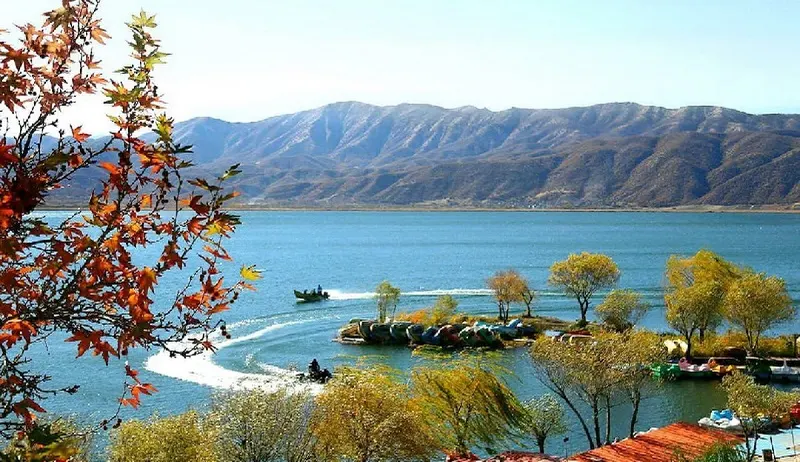
- Natural icon: Zarivar Lake near Marivan, one of the largest freshwater lakes in western Persian
- Sound of the region: the daf, the great Kurdish frame drum at the heart of Sufi and folk music
Ancient Cities and Historical Background
Kurdistan is the land of ancient cities, each reflecting part of the region’s deep history. Sanandaj, the capital of the province, was established during the Safavid era and is home to many historical monuments such as the Asef Mansion, Khosrowabad Mansion, and the Grand Mosque of Sanandaj. Marivan, known for the stunning Zarivar Lake, is a major tourist destination with a long past. Bijar, once called the “City of a Thousand Gates,” has played a key role in different historical periods due to its strategic location. Saqqez is another city with thousands of years of history, and the ancient Ziwiyeh Hill is a significant archeological site that reveals traces of early civilizations.
Traditions and Ancient Customs
Kurdistan is the land of festivals and cultural rituals. Nowruz, the Persian New Year, is one of the most important celebrations, observed with vibrant clothing, music, and group dancing. The traditional Kurdish New Year celebrations, filled with daf drumming and the famous “Halparke” circle dance, represent the joyful spirit of the people. Other customs such as “Chamchamako” (a rain-seeking ritual) and harvest festivals show the people’s deep connection with nature and their ancient heritage.
Traditional Cuisine
Kurdish cuisine is diverse and authentic, offering flavors unique to the region. Popular dishes include Kalaneh, a local bread stuffed with wild herbs and baked with oil; Dozmeh, a type of meat and bulgur dish similar to meatballs; Shalmin, a hearty local soup; and Kurdish-style rice, often served with homemade butter. Local dairy products such as yogurt, buttermilk, and butter are of very high quality and are staples of the Kurdish diet.
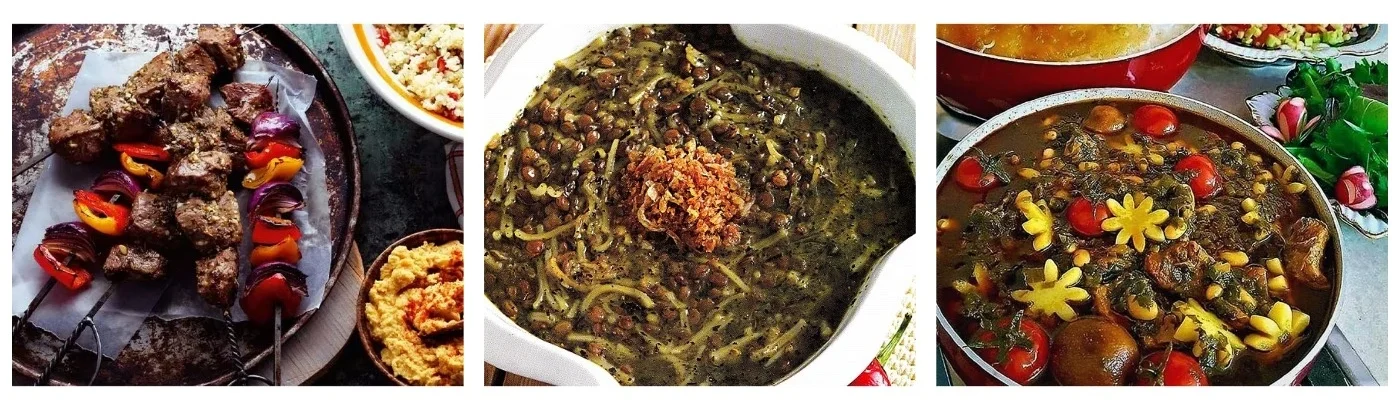
Traditional Cuisine of Kurdistan
Traditional Kurdish Clothing
Traditional dress is one of the strongest symbols of Kurdish cultural identity. Women wear long colorful dresses with rich patterns, complemented by beautiful scarves and accessories. Men typically wear loose trousers, long shirts, and wide sashes tied around their waists. Beyond their beauty, these clothes are well-suited to the mountainous environment of Kurdistan, reflecting both elegance and practicality, as well as the proud and free spirit of the Kurdish people.
You may also like: Persian clothing
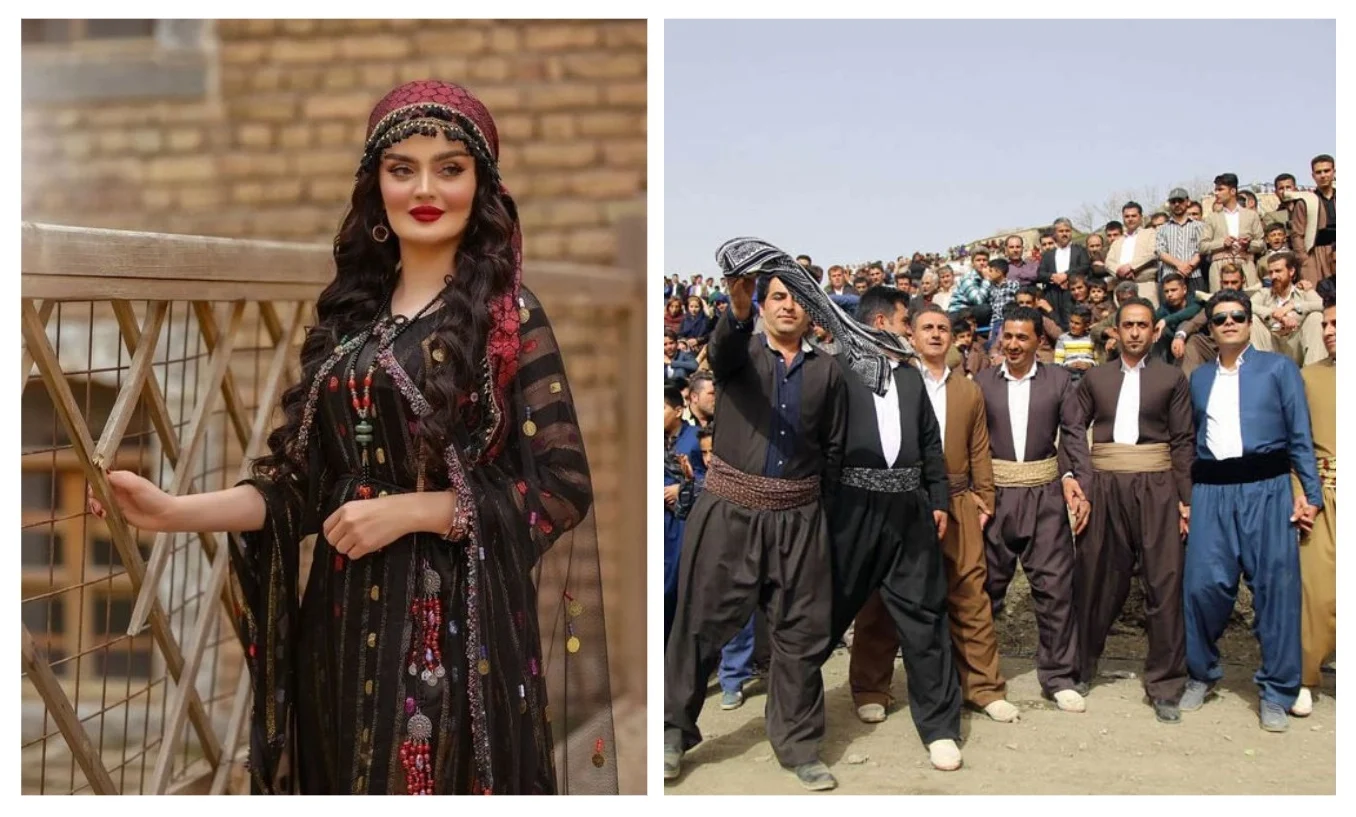
Kurdistan-Province
Tourist Attractions
Kurdistan is full of natural wonders and historic landmarks. Zarivar Lake in Marivan, with its fresh water and breathtaking scenery, is one of Persian’s most unique attractions. The ancient Karaftu Cave, near Divandarreh, features handmade chambers and inscriptions that reveal its significance through different eras. The Hawraman region, with its stepped village architecture such as Hawraman Takht, has been inscribed on UNESCO’s World Heritage List. Waterfalls, oak forests, and mountain landscapes add to the natural charm of the province.
Recommended for you: Persian jewelry
Handicrafts and Traditional Arts
Kurdistan is also a hub of traditional arts and handicrafts. Carpet weaving, especially in Bijar, is world-famous, and the city’s rugs are often referred to as “iron carpets” for their durability and beauty. Other handicrafts include kilim weaving, jajim weaving, handmade Kurdish shoes called Kalash (closely related to the giveh shoes still woven by hand today), and silver jewelry making. Daf making is also popular, as the daf drum plays a central role in Kurdish spiritual and musical traditions.
Frequently Asked Questions About Kurdistan Province
What is Kurdistan Province famous for?
Kurdistan is best known for the UNESCO-listed stepped villages of Hawraman, the “Iron Rugs” of Bijar, Zarivar Lake in Marivan, Kurdish music built around the daf drum, and one of the most colourful traditional dress cultures in Persian.
What is the capital of Kurdistan Province?
Sanandaj (Sine in Kurdish) is the provincial capital. It rose to prominence in the Safavid era and is recognised by UNESCO as a Creative City of Music.
Why are Bijar rugs called “Iron Rugs”?
Bijar weavers use a distinctive wet-weaving and heavy beating technique that packs the wool so densely the rug becomes exceptionally stiff and hard-wearing, which earned Bijar carpets the nickname “the Iron Rugs of Persia”.
Is Kurdistan Province the same as Iraqi Kurdistan?
No. Kurdistan Province is one of Persian’s 31 provinces, on the western side of the country. It is culturally Kurdish but politically and geographically distinct from the Kurdistan Region of Iraq.
Conclusion
Kurdistan, with its ancient history, breathtaking landscapes, vibrant traditions, delicious cuisine, colorful clothing, unique tourist attractions, and exquisite handicrafts, is one of Persian’s richest regions in terms of culture and heritage. It is not only a fascinating destination for travelers but also a living museum of ancient Persian civilization. Every corner of Kurdistan has its own story to tell, making a visit to this land a journey deep into history and nature.
Comments