


Persian Ceramics for Summer Entertaining
- mahyar
- 28 July 2026
- Persian Handicrafts
- 4 minutes
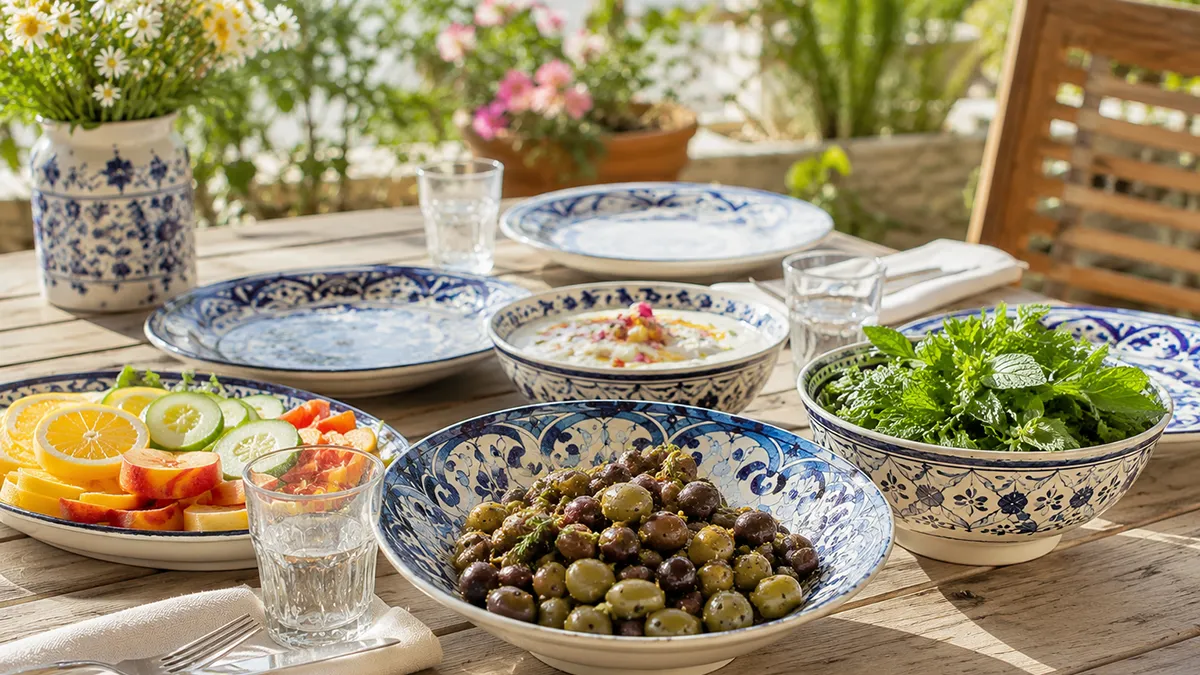
When the weather turns warm and the garden table comes back into use, nothing sets a summer spread apart quite like persian ceramic tableware. Hand-painted bowls in cobalt blue, sun-glazed serving plates and squat little dip dishes turn a simple gathering of fresh herbs, chilled yoghurt and ripe fruit into something that looks considered rather than thrown together. At Persis Collection we have spent years sourcing ceramics directly from workshops in Persian, and summer is when these pieces earn their keep: they stay cool to the touch, they are forgiving of a long afternoon outdoors, and their patterns carry centuries of Persian hospitality with them. This guide looks at where the best Persian ceramic tableware comes from, how to put together a table that works for a long summer evening, and how to look after hand-painted pieces so they last for years of entertaining.
Where Persian Ceramic Tableware Comes From
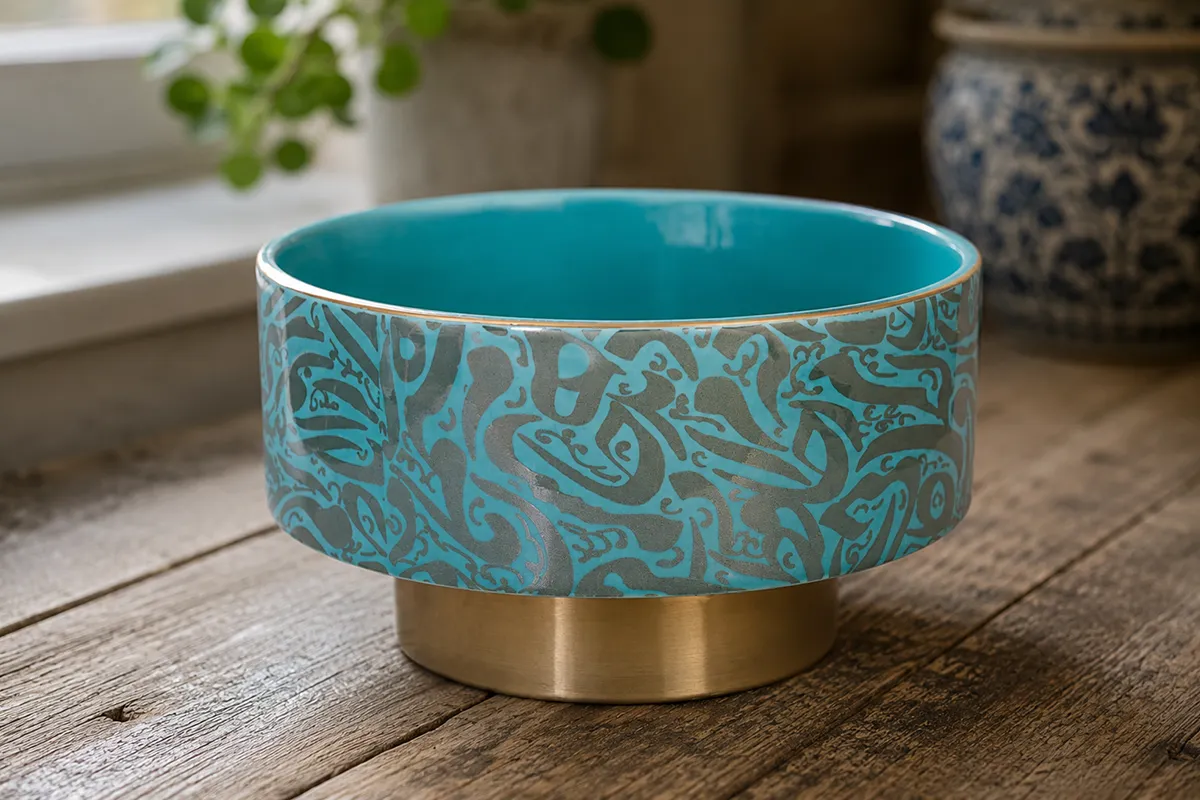
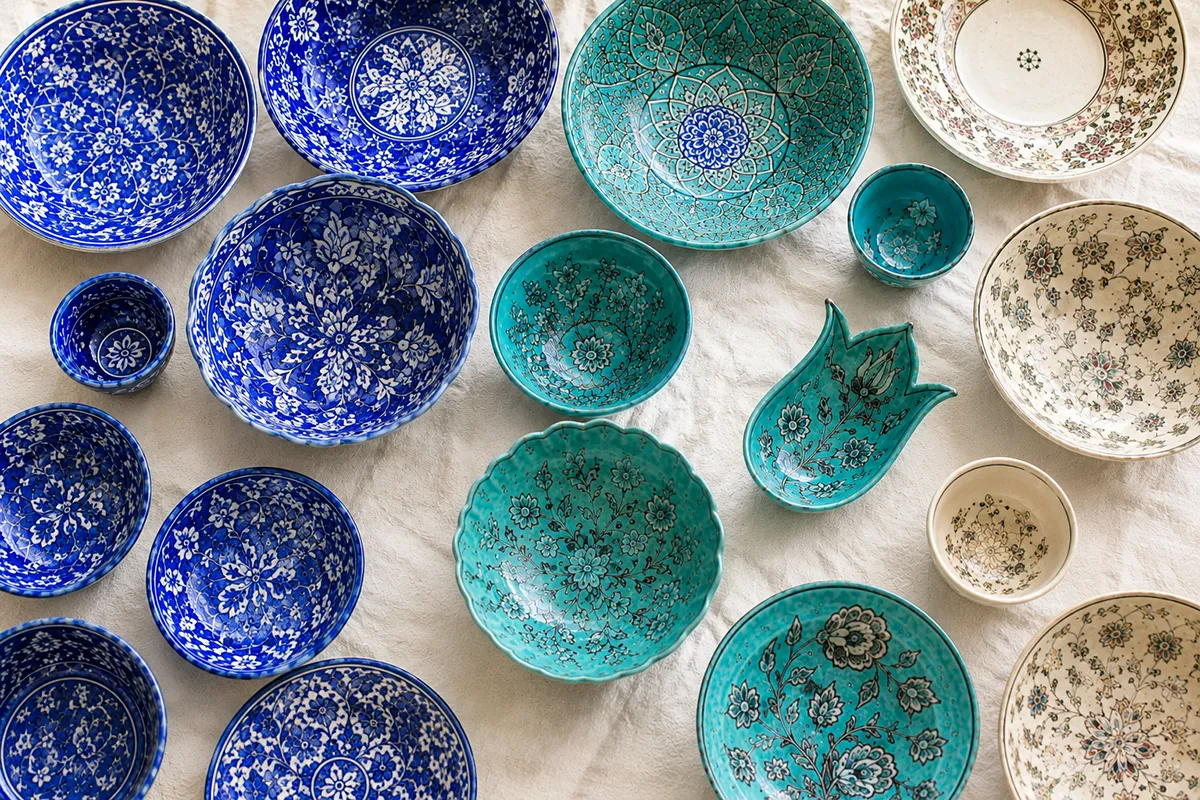
Most of the hand-painted ceramics we bring in for persian ceramic tableware london customers trace back to two workshop towns: Lalejin, near Hamedan, long known as Persian’s pottery capital, and Meybod, in the desert province of Yazd, where turquoise-glazed pieces have been made in much the same way for generations. Lalejin potters tend to favour bold cobalt and white brushwork on a cream base, painted freehand by a single craftsperson from start to finish, while Meybod pieces often lean into the softer turquoise glazes the region is known for. Neither is mass produced on a factory line. Each bowl or plate carries small, genuine variations in the brushstrokes and glaze pooling, which is exactly what tells you a piece was made by hand rather than pressed from a mould.
How to Build a Summer Table With Persian Ceramics
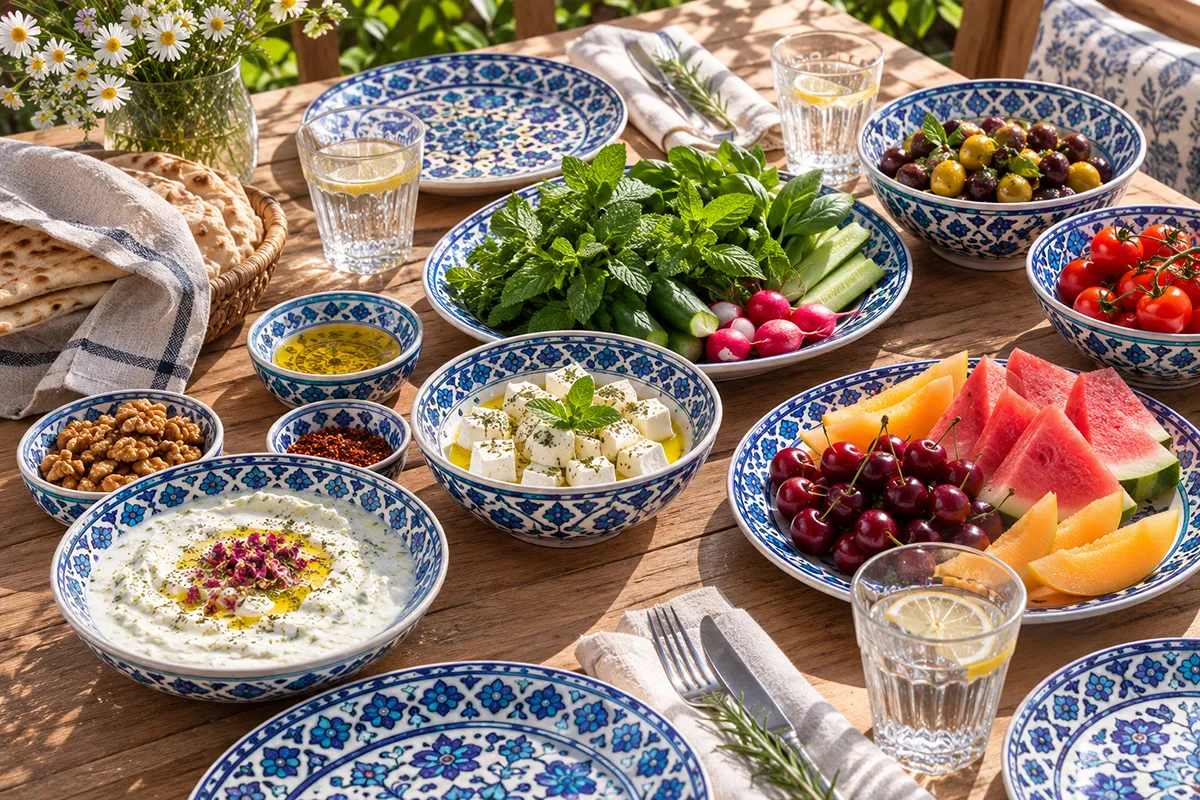
Start with one or two larger serving plates as the anchor of the table, then build outward with smaller bowls and dip dishes for herbs, olives, feta or fresh fruit. Persian ceramic tableware is designed to be mixed rather than bought as a matching set, so a Lalejin cobalt bowl sitting next to a plain cream serving plate reads as intentional, not mismatched. For a long summer evening outdoors, keep glassware simple, plain tumblers or coloured glass work well, so the painted patterns on the ceramics stay the focus. If you are shopping our Persian ceramic art collection, it is worth picking pieces in two or three complementary colours rather than one of everything, since that is what actually holds a table together visually once it is full of food.
Mixing Patterns and Colours Without It Looking Busy
The easiest way to keep a mixed table of hand-painted ceramics looking calm rather than cluttered is to pick one dominant colour, usually the cobalt blue that runs through most Persian ceramic art, and let everything else sit in cream, white or a single accent shade. A traditional Persian cup and saucer set is a good example of how this restraint works in practice: the pattern is detailed, but the palette stays disciplined, which is why it pairs so easily with plainer serving pieces. If you already own painted tiles, textiles or a termeh runner in similar tones, lean on those as the base layer and let the ceramics do the decorative work on top, rather than competing with another heavily patterned layer underneath.
How to Care for Hand-Painted Persian Ceramics
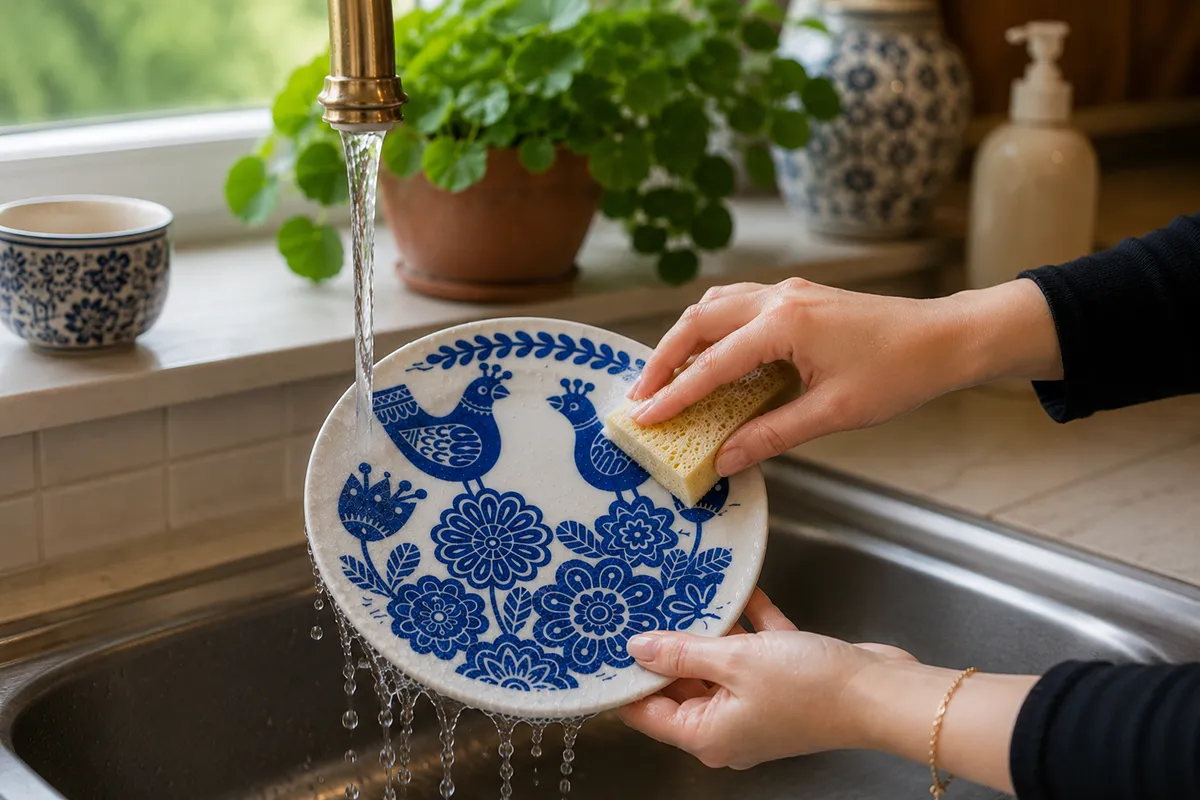
Hand wash Persian ceramic tableware in warm, not hot, water with a mild washing-up liquid and a soft sponge, avoiding anything abrasive that could wear down the painted glaze over repeated washes. Most hand-painted pieces are not dishwasher safe, since the heat and detergent used in a dishwasher cycle can dull the colours and, over time, cause fine crazing in the glaze. Dry pieces by hand rather than leaving them to air dry stacked together, since painted surfaces can mark where they rest against each other while damp. Stored this way, genuine Persian ceramic art holds its colour and pattern for years of regular summer use, which is really the whole point of buying hand-painted pieces rather than plain factory tableware in the first place.
Conclusion
Good persian ceramic tableware turns an ordinary summer meal into something that feels considered, and the key is buying pieces made by hand in Lalejin or Meybod, mixing them with a bit of restraint, and washing them gently so the glaze lasts. If you are new to persian ceramic tableware london shopping, our guide to choosing an authentic Persian handicrafts shop online is a useful next read before you buy, and once you know what to look for, ceramic art from Persian is one of the easiest ways to bring genuine craftsmanship to a summer table.
Frequently Asked Questions
Is Persian ceramic tableware dishwasher safe?
Most hand-painted pieces are not, since dishwasher heat and detergent can dull the glaze and cause fine cracking over repeated cycles. Hand washing in warm water with a mild detergent keeps the colours and pattern intact for far longer.
What is the difference between Lalejin and Meybod pottery?
Lalejin, near Hamedan, is known for bold cobalt and white brushwork on a cream base, while Meybod, in Yazd province, is known for softer turquoise glazes. Both are hand-painted by individual craftspeople rather than mass produced.
Can I mix different patterns of Persian ceramics on the same table?
Yes, and it is actually how these pieces are traditionally used. Keeping one dominant colour, usually cobalt blue, running through the table and letting the rest sit in plainer cream or white tones stops a mixed table from looking cluttered.
How do I know if Persian ceramic tableware is genuinely hand-painted?
Look closely at the brushwork: genuine hand-painted pieces show small, natural variations from one piece to the next, slightly uneven lines and glaze pooling, rather than the perfectly uniform pattern you would get from a printed or moulded design.

Comments