


Best Persian-Themed Toys for Toddlers
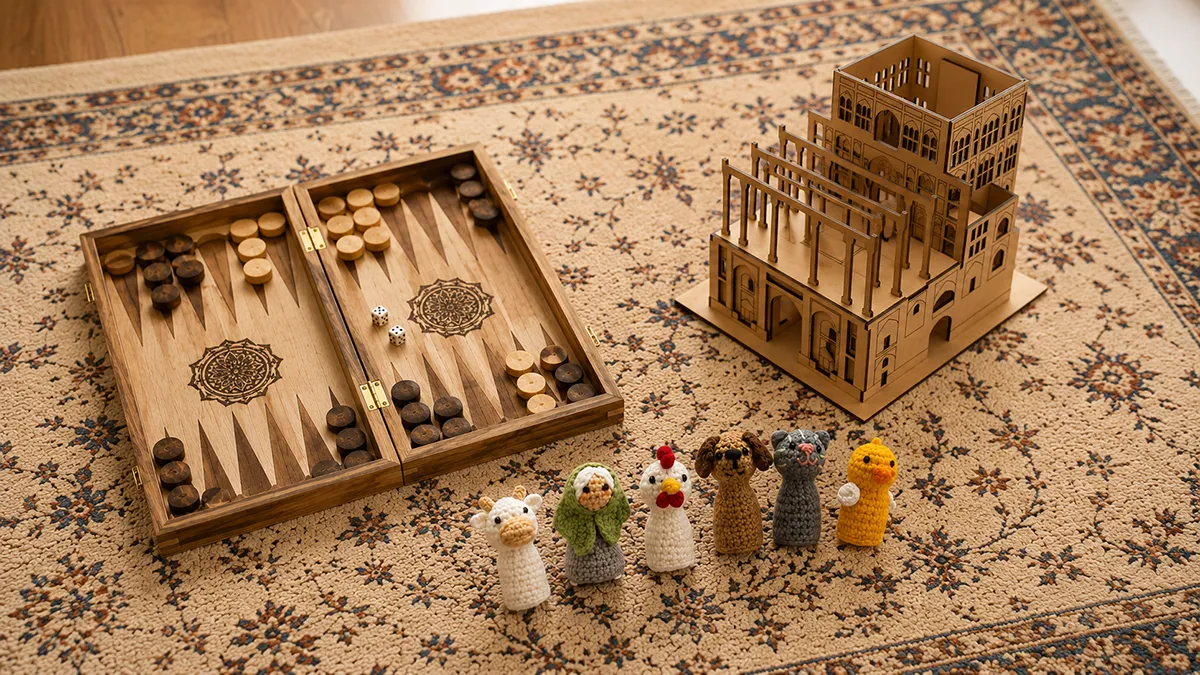
Finding good Persian toys for kids that toddlers actually want to play with, rather than ornaments that sit unused on a shelf, takes a bit more thought than picking anything with a Persian pattern on it. The best pieces work as real toys first, sturdy, safe, genuinely fun to handle, and carry cultural meaning as a natural part of that, not instead of it. This guide covers what makes a Persian toy toddler-friendly, which traditional games translate best into early childhood play, and how to buy Persian toys for kids online with confidence when you can’t see or handle the item in person first.
What makes a toy “Persian themed” rather than just decorative?
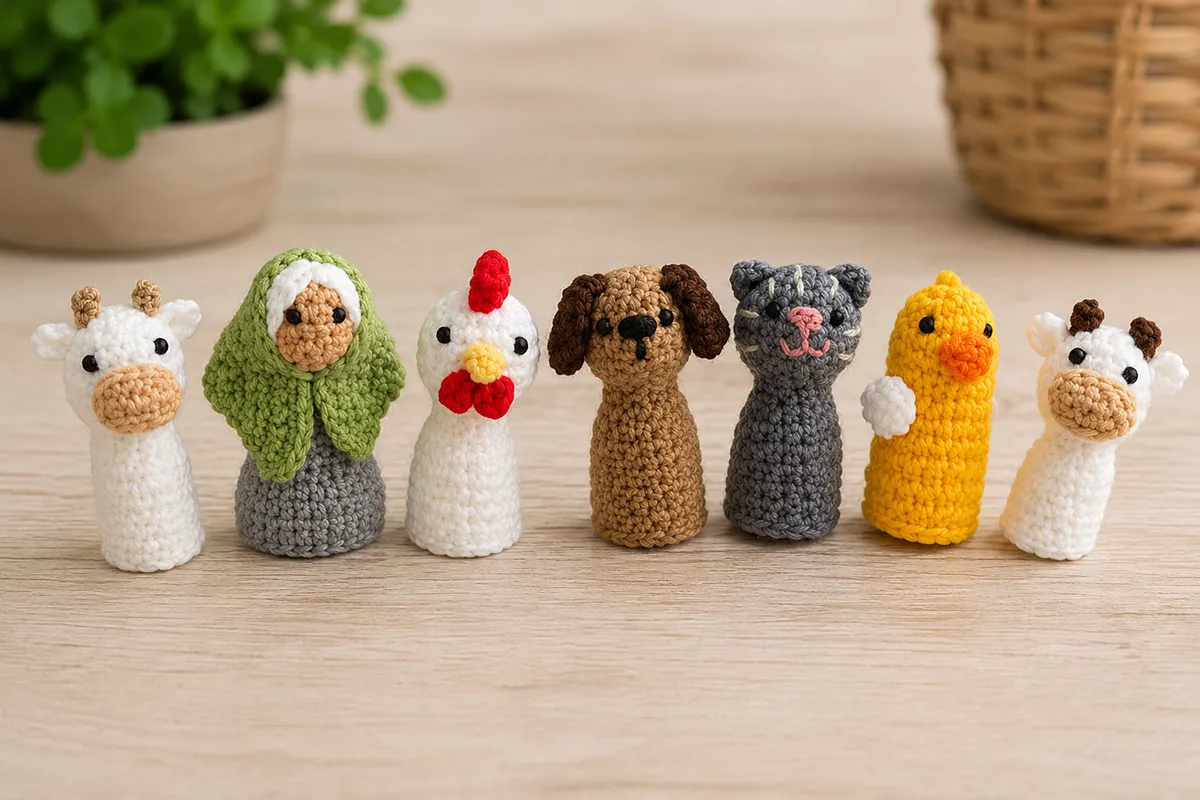
A genuinely Persian themed toy draws on real cultural material, a traditional game like backgammon, a folk tale character, patterns from Persian textiles or tilework, rather than simply adding a generic “ethnic” print to an otherwise unrelated toy. The strongest options for toddlers tend to be simplified, safe versions of things that exist in Persian culture more broadly: a miniature wooden backgammon set scaled down for small hands, soft plush versions of animals from Persian folk tales, or finger puppets based on characters like Mulla Nasreddin. These give a toddler something to actually do, not just look at, while still carrying real cultural roots.
Which traditional Persian games work well as toddler toys?
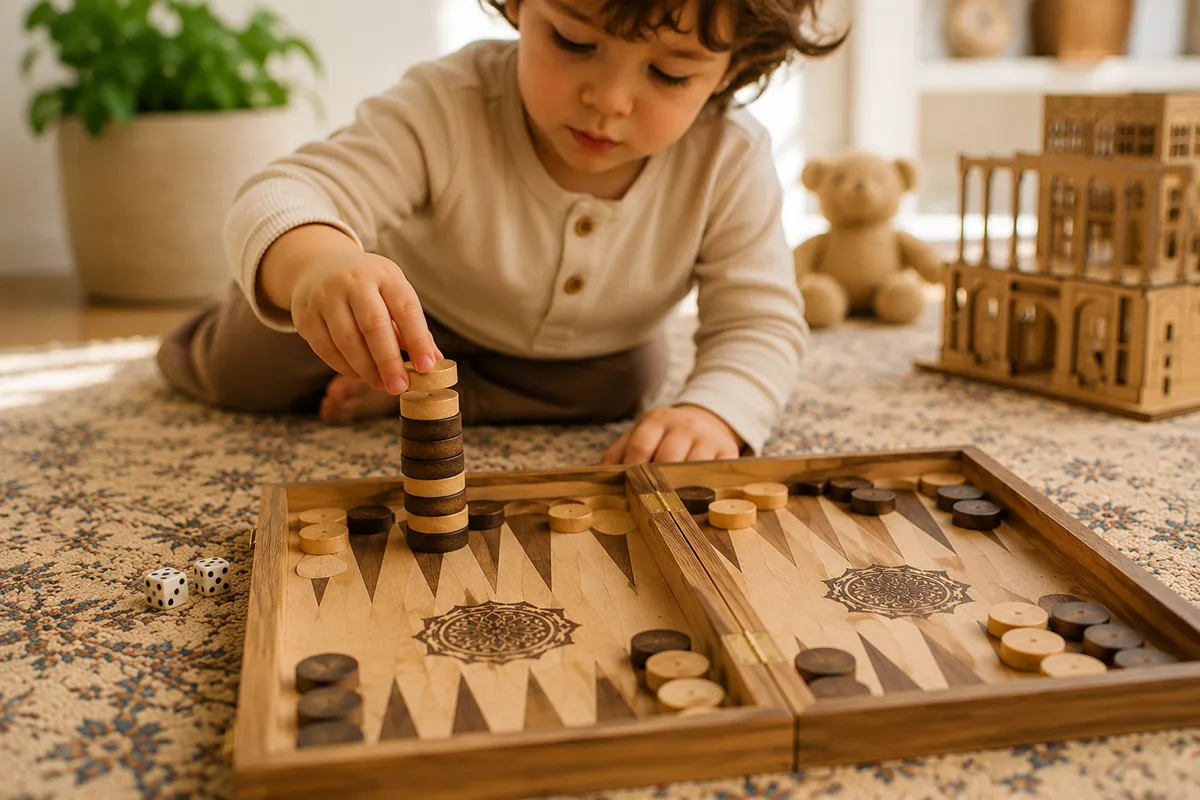
Backgammon, known as takhteh in Farsi, is the standout example, and a simplified wooden mini version with oversized, chunky pieces works well for toddlers well before they understand the actual rules, since at that age the appeal is stacking, sorting and handling the pieces rather than strategy. Persian folk tale characters translate naturally into finger puppets or soft toys, giving toddlers a tactile way to engage with stories a parent might tell alongside a Persian storybook. Simple pattern-matching or shape-sorting toys using motifs from Persian tilework, in bright toddler-safe colours, are another good option, since they teach an early skill while introducing visual patterns from Persian art.
What safety features should you check before buying Persian toys for toddlers?
Any toy intended for children under three should have no small detachable parts that pose a choking hazard, which rules out some decorative miniatures that were designed as adult ornaments rather than genuine toys. Check that painted or dyed wooden pieces use non-toxic, child-safe finishes, since toddlers reliably put toys in their mouths regardless of what a parent intends. Look for a stated age recommendation and safety certification from the seller rather than assuming a product is toddler-safe just because it looks small and cute, since not every attractive miniature was manufactured with toddlers in mind.
How do you buy Persian toys for kids online when you can’t handle them first?
When you buy Persian toys for kids online, read the material description closely, solid wood, soft plush fabric, or painted finish, since photographs alone can’t tell you how something actually feels or holds up to a toddler’s handling. Check the seller’s return policy before ordering, particularly for anything with small parts, so you have recourse if a toy turns out less toddler-appropriate than the listing suggested. Reviews from other parents, rather than general ratings, are usually the most reliable indicator of how a toy actually performs with real toddlers rather than how it photographs.
How can Persian toys support a toddler’s early connection to their heritage?
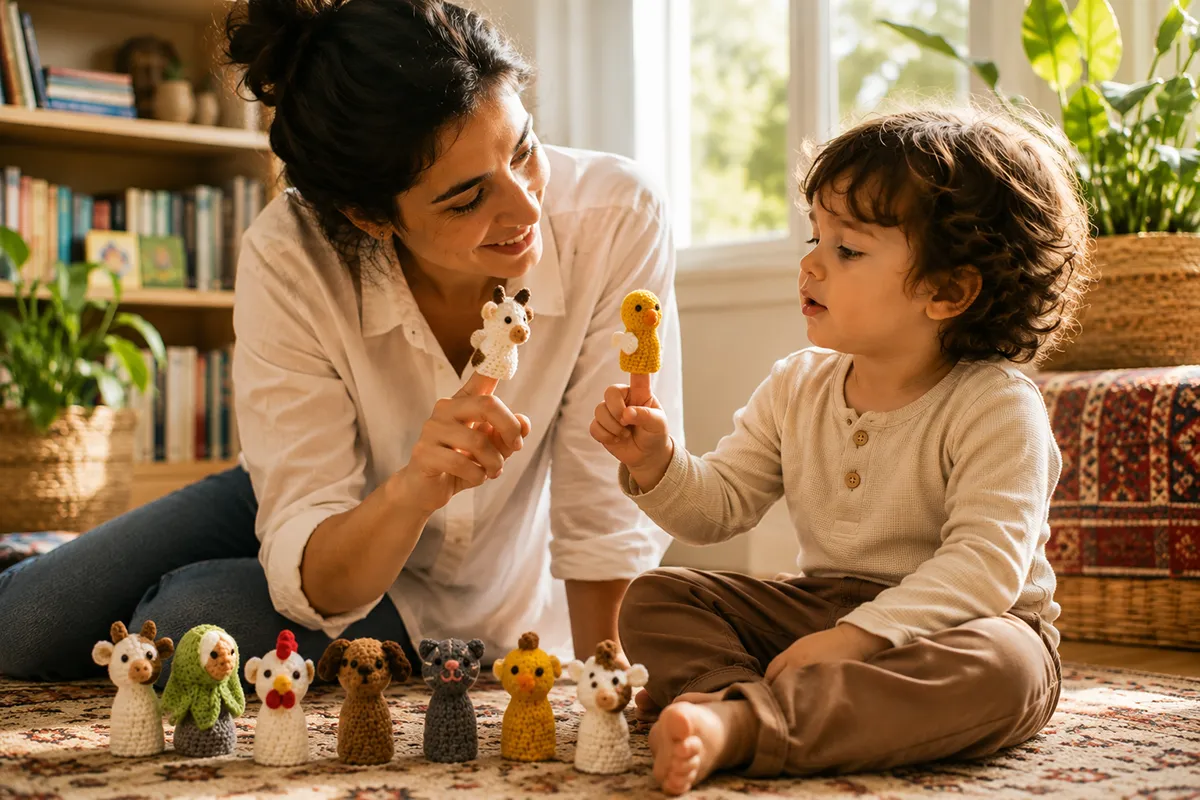
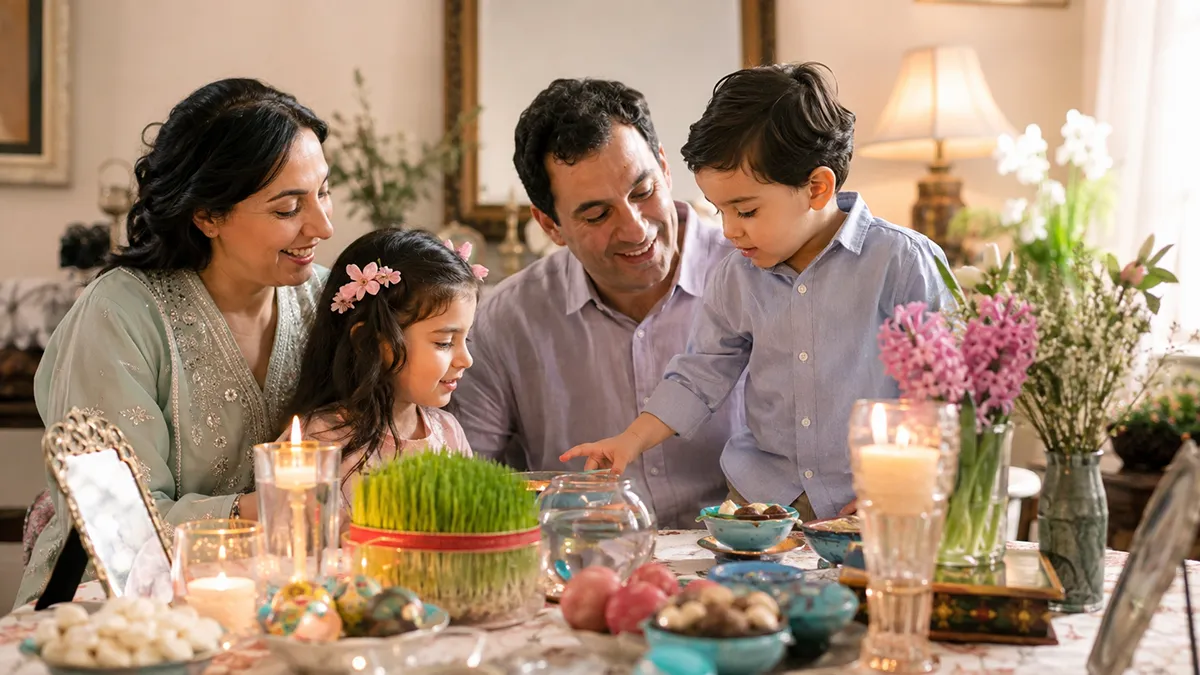
Toddlers learn primarily through play and repetition, so a toy that carries cultural meaning gives a child early, unconscious exposure to Persian heritage well before they’re old enough to understand it explicitly. A finger puppet used during a bedtime story, or a mini backgammon set played with a parent, builds a positive early association with Persian culture that tends to stick, in the same way a child’s favourite bedtime book does. This matters particularly for second-generation families raising toddlers outside Persian, where day-to-day exposure to Persian culture may otherwise be limited to occasional family visits or celebrations like Nowruz.
Should you buy Persian toys as a standalone gift or alongside other items?
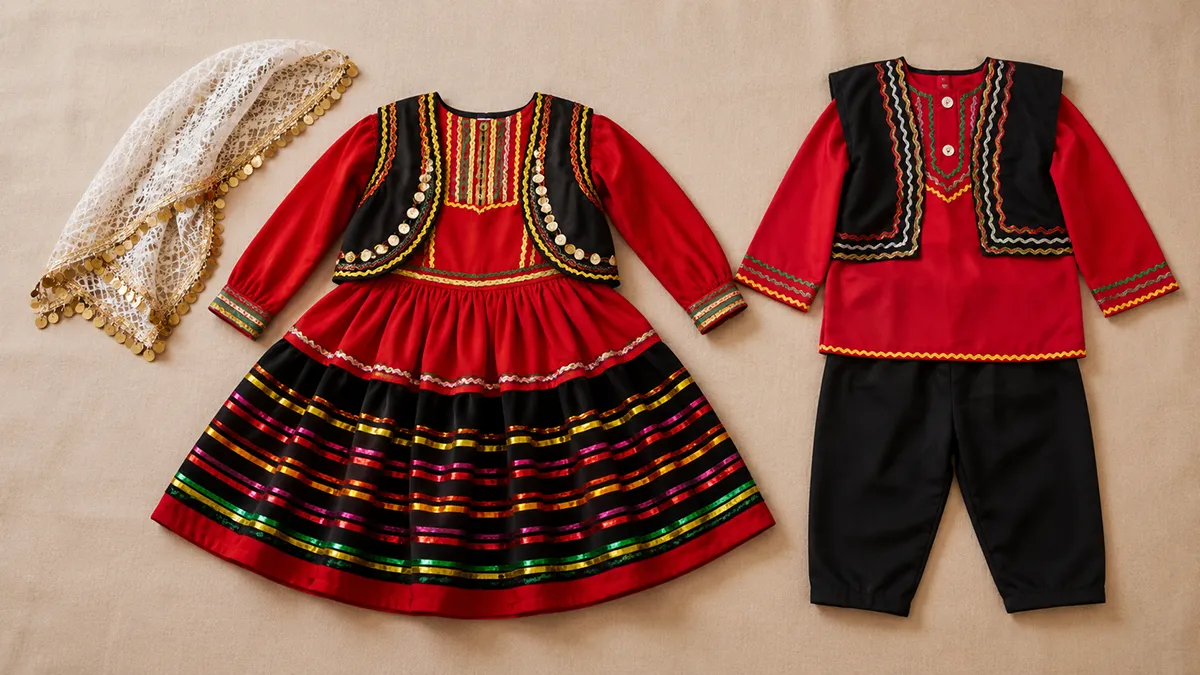
A single well-chosen Persian toy makes a fine standalone gift, but many of our customers pair a toy with a small storybook or a piece of children’s jewellery for a fuller gift set, particularly for birthdays or Nowruz. Our Kids’ Collection guide covers how toys, storybooks, clothing and jewellery fit together if you’re building a broader set of Persian heritage pieces for a toddler or young child, rather than buying items separately with no real plan.
Conclusion
The best Persian toys for kids work as genuine toys first, sturdy, safe and fun for a toddler to actually handle, with cultural meaning built in rather than added on top. Traditional games like mini backgammon sets and folk tale finger puppets translate particularly well into toddler play, giving small children an early, tactile connection to Persian culture. When you buy Persian toys for kids online, checking safety details, materials and other parents’ reviews closely will save you from ordering something that looks charming in a photo but doesn’t hold up to a real toddler’s hands.
Frequently Asked Questions
What age is appropriate for a mini Persian backgammon set?
Toddlers from around age two can enjoy handling and stacking the pieces of a mini backgammon set, well before they understand the actual game, provided the pieces are large enough to avoid a choking hazard. Most children can begin learning simplified rules from around age five or six.
Are Persian folk tale characters appropriate for very young toddlers?
Yes, most Persian folk tale characters used in toddler toys, such as Mulla Nasreddin or animal characters from Rumi’s fables, are gentle and humorous rather than intense, making them suitable from a very young age when paired with age-appropriate storytelling.
How do I know if a Persian toy is genuinely toddler-safe?
Check for a stated age recommendation, non-toxic finishes on painted wood, and no small detachable parts. If a listing doesn’t mention safety details, it’s worth asking the seller directly before buying for a child under three.
Can Persian toys help a bilingual toddler learn Farsi words?
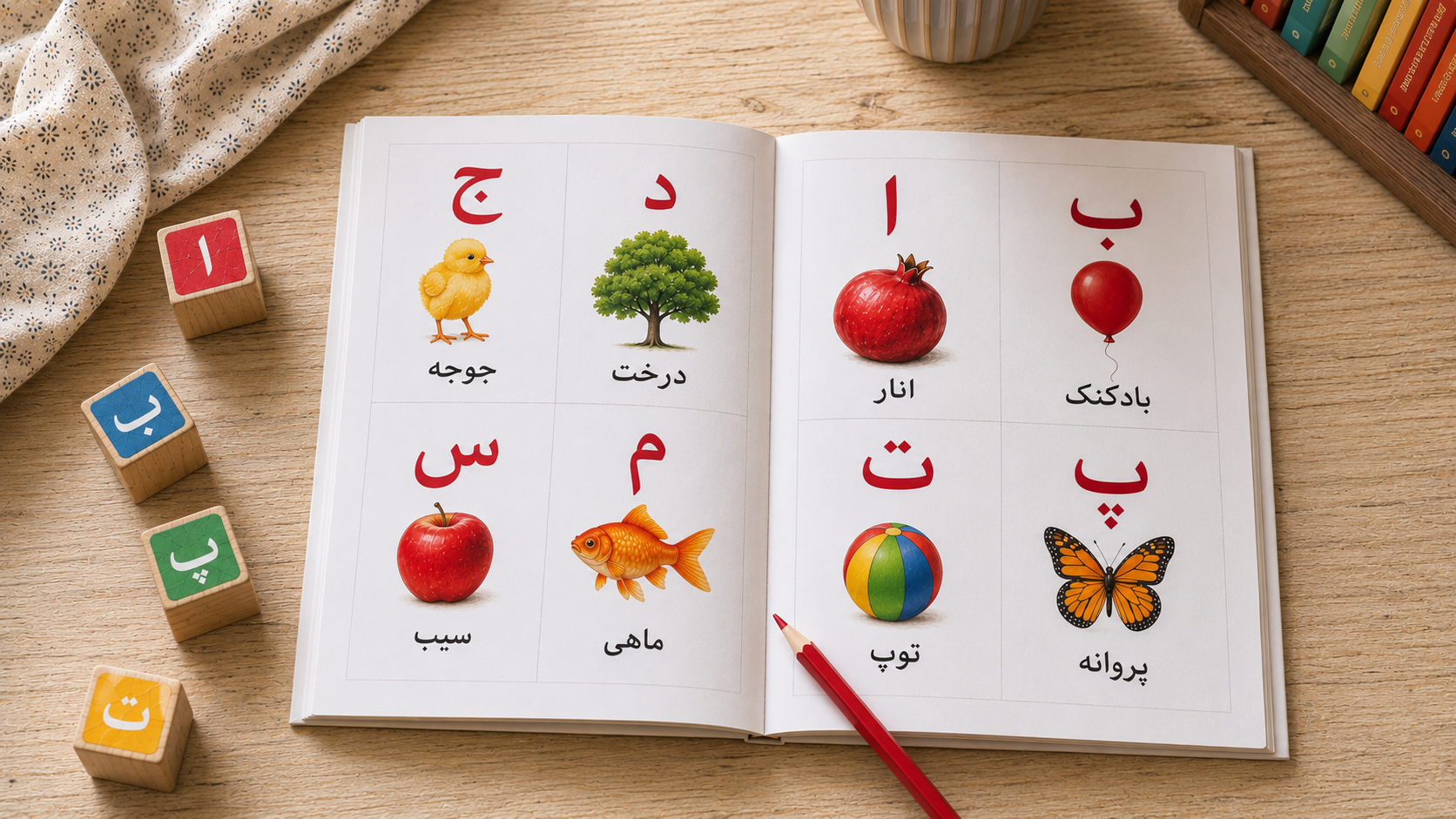
Yes. Many parents use toy play as an informal way to introduce Farsi vocabulary, naming pieces or colours in Farsi during play, which works particularly well alongside a Farsi alphabet book or bilingual storybook for slightly older children.
What’s the best way to buy Persian toys for kids as a gift?
Choose a toy suited to the child’s actual age rather than a decorative piece meant for display, and consider pairing it with a storybook or small piece of jewellery from our kids’ collection for a fuller gift.
Comments