


Persian Gifts for Godchildren, Nieces and Nephews
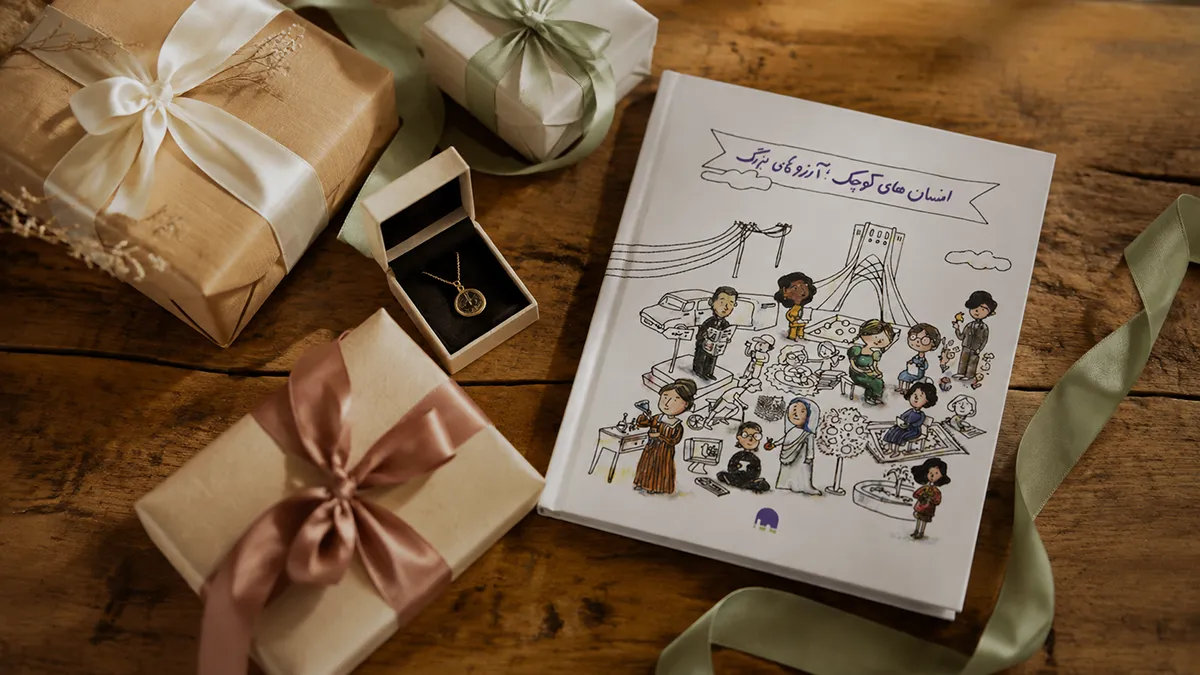
Finding gifts for godchildren, nieces and nephews gets harder as toy trends change every year, which is why many aunts, uncles and godparents turn to something rooted in Persian heritage instead: a keepsake that still means something in ten years, not just this Christmas. Persian gifts for children work well precisely because they’re not tied to a passing trend, from bilingual storybooks to small pieces of jewellery a child can grow into. This guide covers what tends to suit different ages, and how to pick a gift that feels genuinely thoughtful rather than obligatory.
What makes a Persian gift feel personal rather than generic?
A gift feels personal when it says something specific about the relationship or the child’s heritage rather than being something any relative could have picked up on the way to the party. A storybook chosen because it matches a child’s current reading level, or a small piece of jewellery that echoes something the parents already wear, does far more than a generic toy shelf pick. Godparents in particular are often looked to as a source of cultural connection, which makes a thoughtfully chosen Persian gift carry extra weight beyond the object itself.
What suits babies and toddlers best?
For babies and very young toddlers, keepsake pieces tend to work better than anything requiring active play, since the gift is often more for the parents to treasure until the child is older. A Persian name necklace, a soft toy with Persian motifs, or a small heirloom-style piece stored safely away are all popular choices at this age. Board books with simple Farsi words or bright illustrations of Persian patterns also hold up well, since toddlers respond to colour and repetition long before they understand the cultural content.
What works well for primary school-age children?
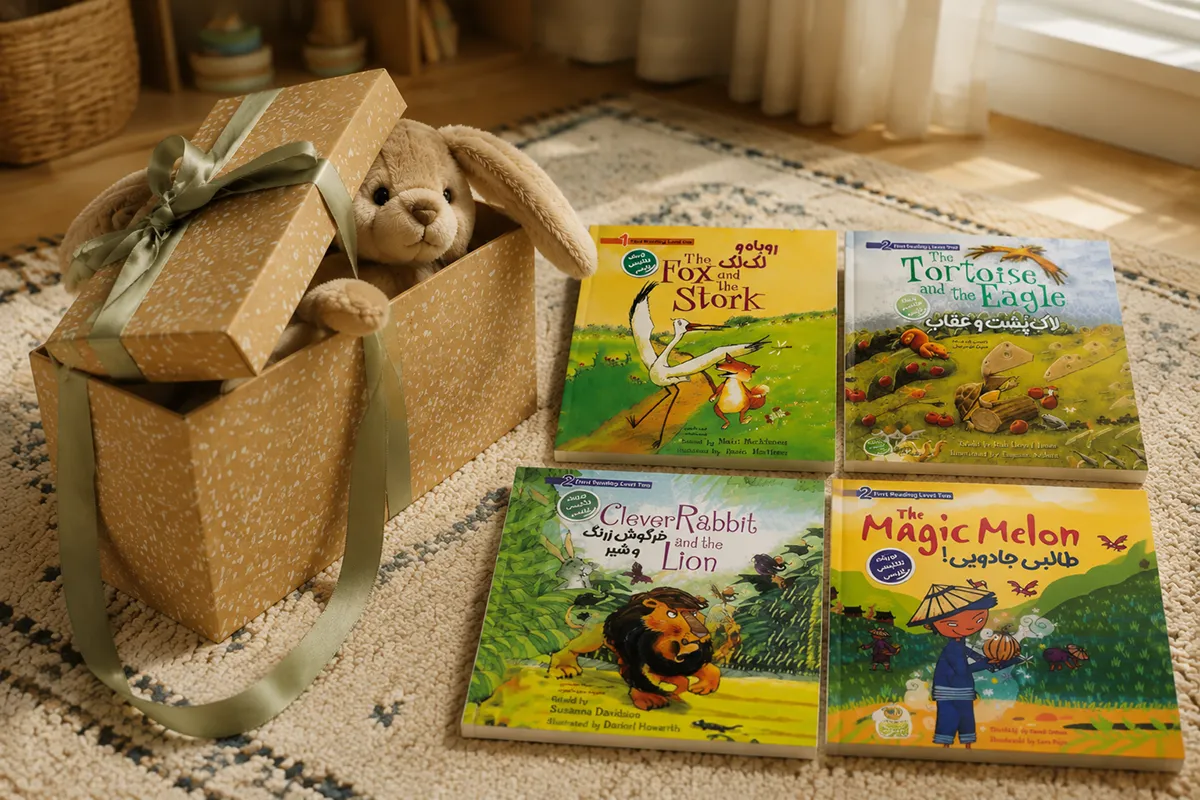
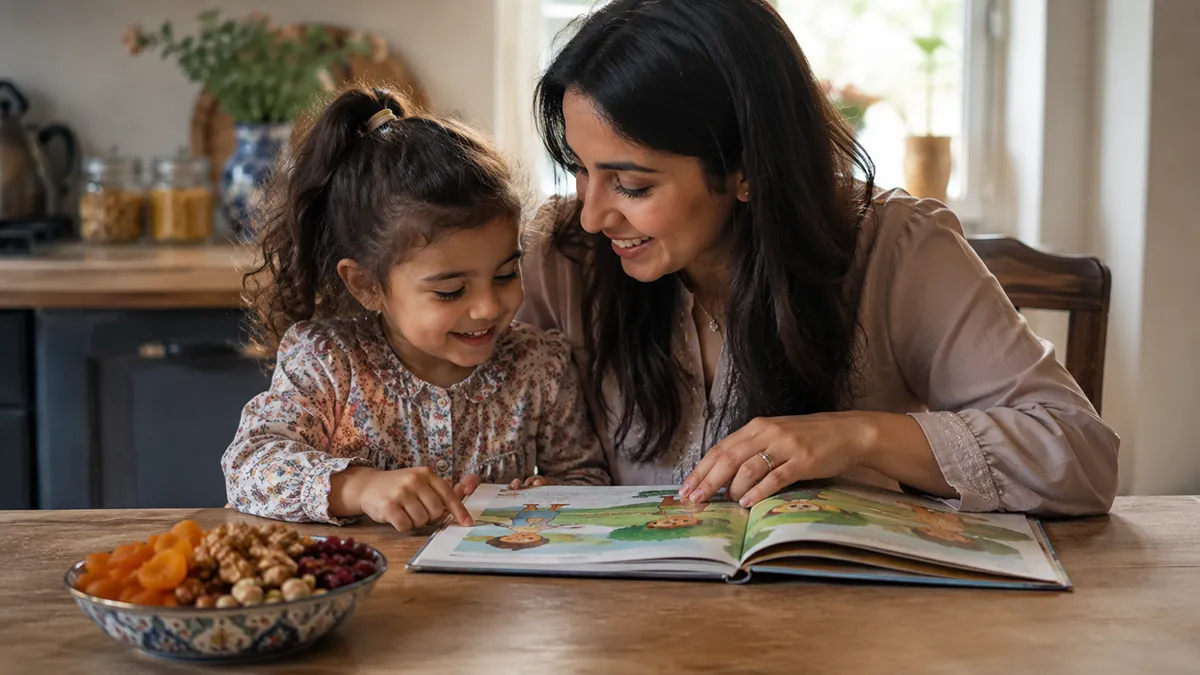
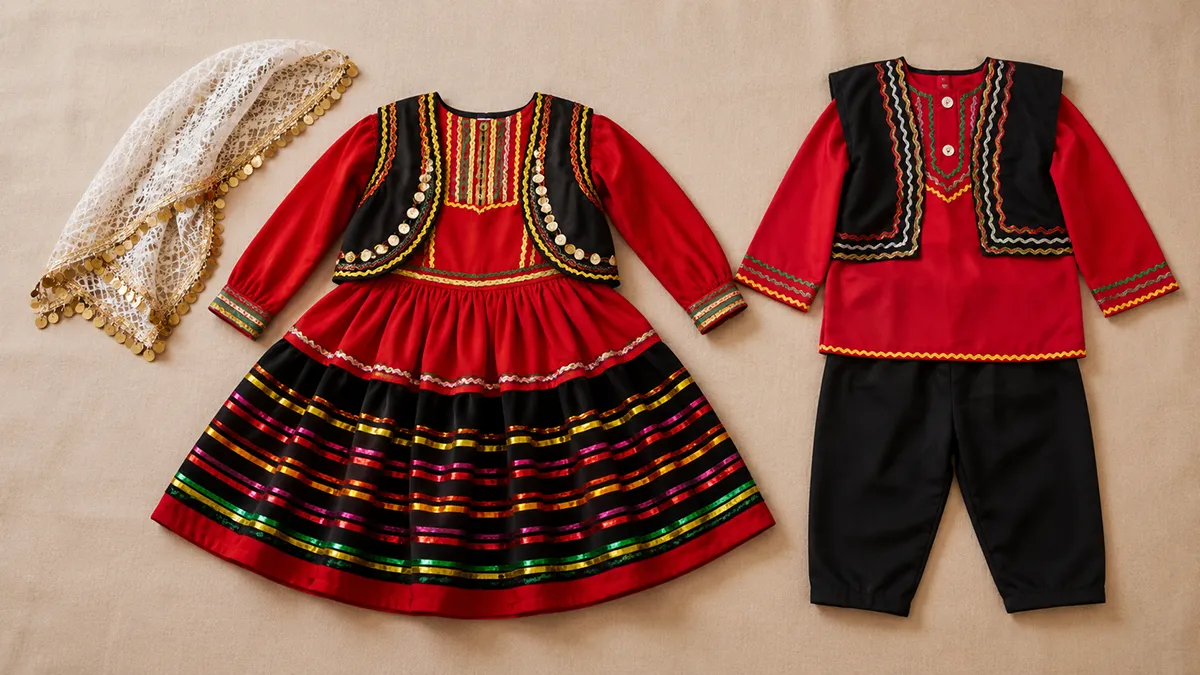
Children of primary school age tend to engage more with storytelling and identity, so this is often the sweet spot for bilingual storybooks, retellings of Shahnameh tales, and Farsi alphabet books, especially if the child is starting to ask questions about where their family comes from. Traditional clothing for a Nowruz celebration or a family event is another popular choice at this age, since children this age genuinely enjoy dressing up and being included in family traditions. Our roundup of Persian storybooks every child should own is a useful starting point if you’re not sure which title suits a specific reading level.
What about older nieces, nephews and godchildren, tweens and teens?
Older children and teens generally respond better to something they can actually wear or use day to day rather than a book or toy, which is where small jewellery pieces, a decorative item for their room, or something connected to a hobby they already have works well. A subtle piece with Persian symbolism, rather than anything overtly childish, tends to land better with this age group, since teens are often more self-conscious about gifts that feel too young for them. Asking the parents discreetly about the child’s current interests is worth doing at this age, since a gift that feels generic is more likely to go unused.
How do you choose between a keepsake and something a child can actually play with?
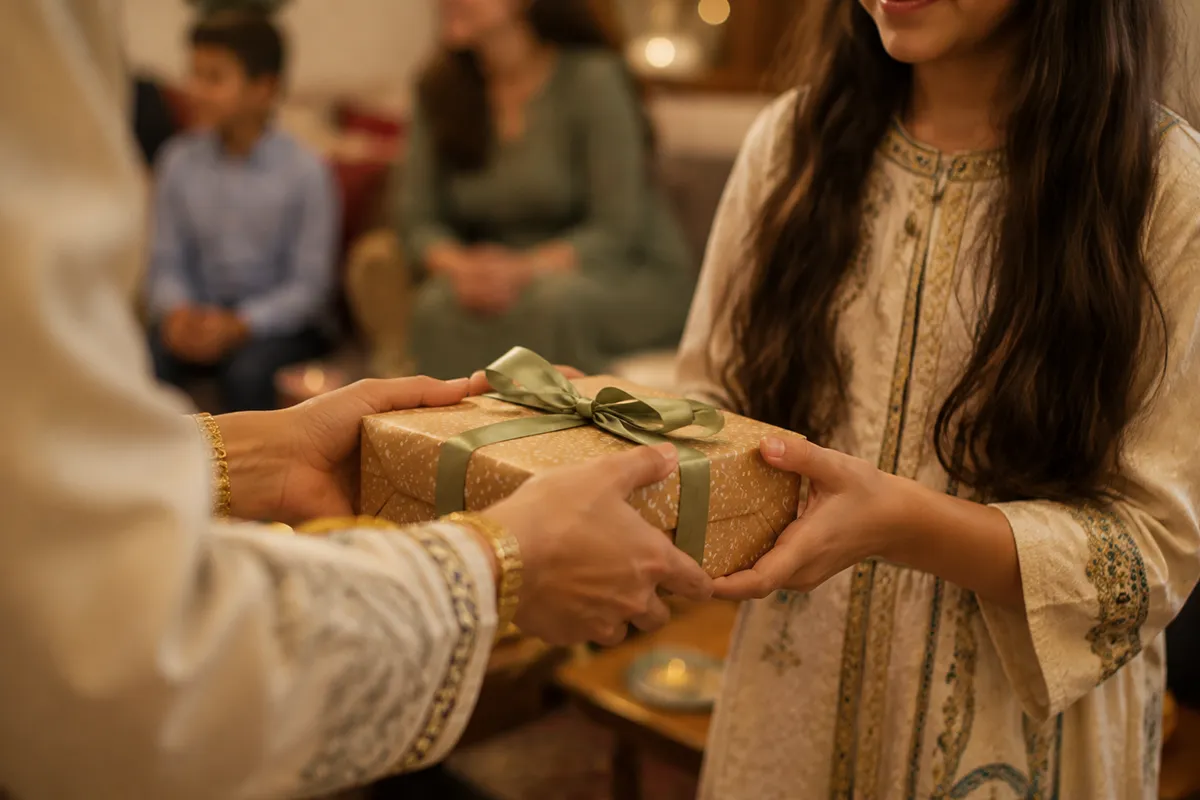
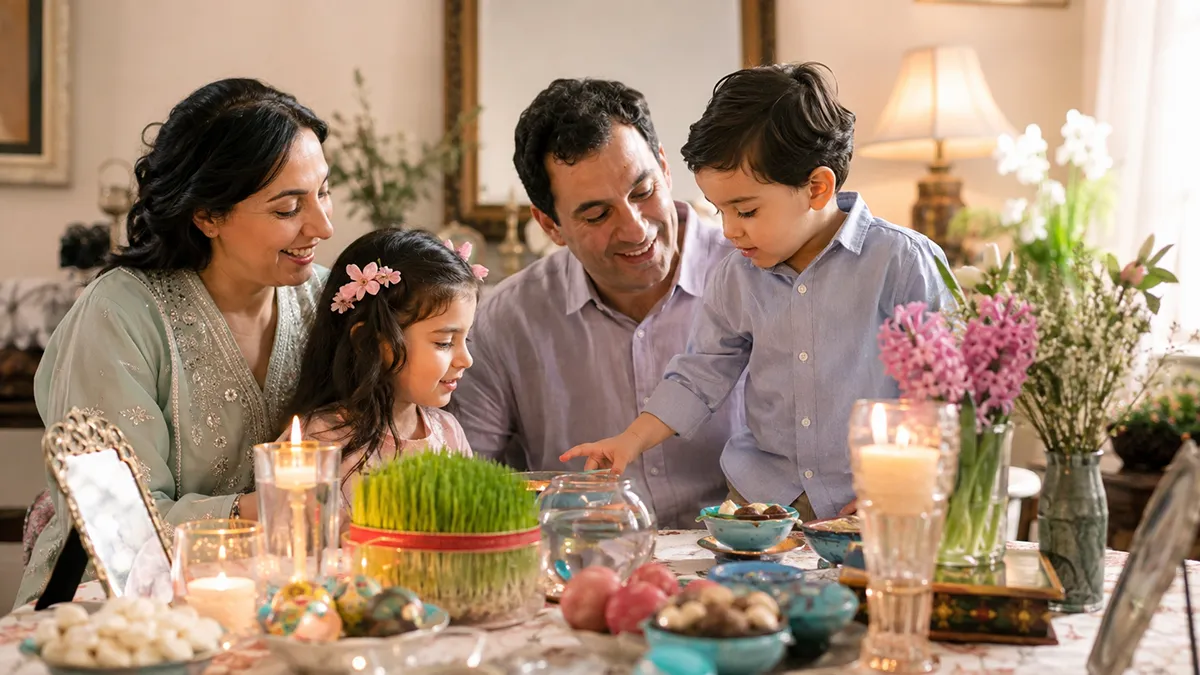
The right balance depends on the occasion and the child’s age: a keepsake makes sense for milestone moments like a birth, naming ceremony or first Nowruz, while something more playful suits an ordinary birthday or a casual visit. It’s worth remembering that a gift doesn’t have to be purely one or the other, plenty of Persian children’s products, like a well-made storybook or a small backgammon set, are genuinely playable while still carrying real cultural weight. If in doubt, parents are usually happy to steer you toward whichever type of gift the child will get the most use out of.
Conclusion
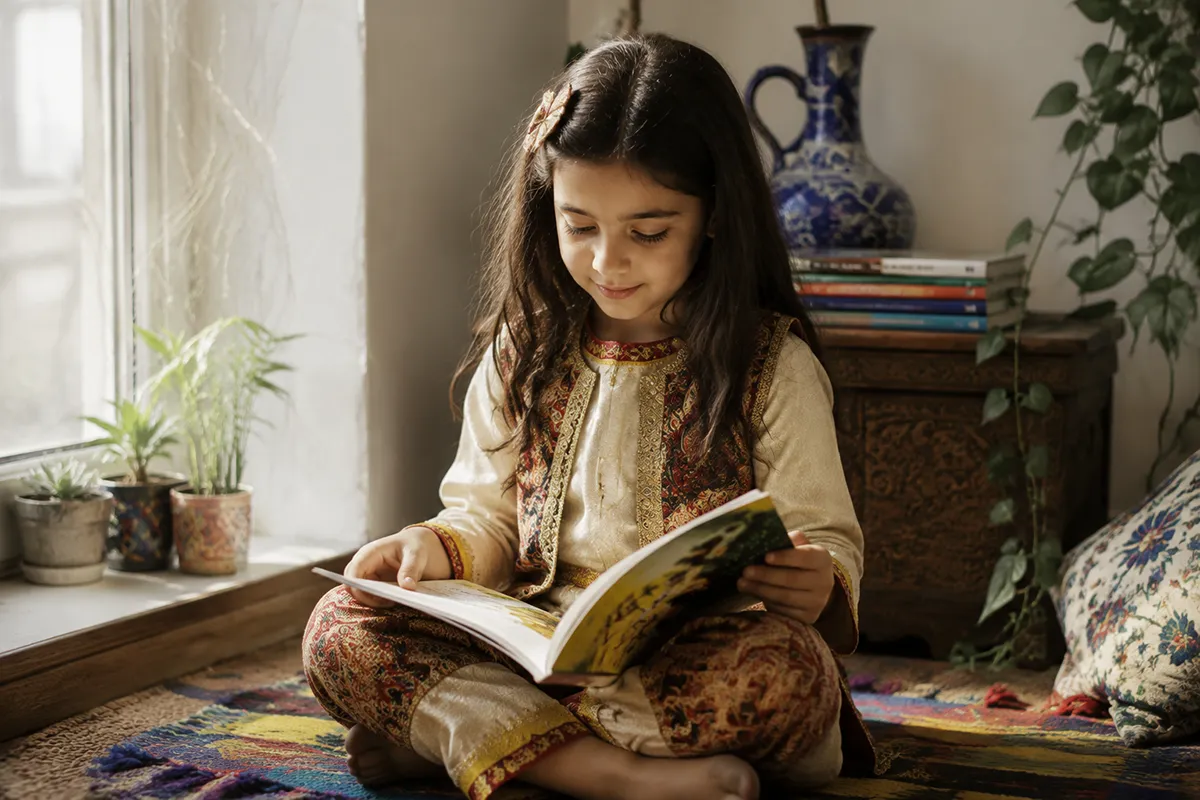
Gifts for godchildren, nieces and nephews work best when they’re matched to the child’s age and genuinely mean something, rather than chosen purely to fill an obligation. Keepsakes suit babies and milestone occasions, storybooks and dress-up pieces suit primary school-age children, and something wearable or interest-based tends to land better with tweens and teens. Whatever the age, a gift rooted in real Persian craftsmanship tends to be remembered long after anything mass-produced has been forgotten.
Frequently Asked Questions
What’s a good Persian gift for a baby’s christening or naming ceremony?
A Persian name necklace or a small heirloom-style keepsake piece is a popular choice for a christening or naming ceremony, since it’s meant to be kept safely rather than played with straight away.
My niece or nephew isn’t very into their Persian heritage. Is this still a good gift idea?
Yes, a thoughtfully chosen gift can be a gentle way to spark interest without feeling forced. Starting with something engaging, like a well-illustrated storybook, tends to work better than something purely symbolic if a child hasn’t shown much interest yet.
How much should I expect to spend on a gift like this?
It varies widely, from an affordable storybook to a more considered jewellery piece, so there’s no fixed budget. What matters more than price is choosing something that suits the child’s age and the occasion.
Can I get something personalised for a specific child?
Yes, personalised options like name jewellery or engraved keepsakes are available and tend to make the gift feel more specific to that child rather than something generic.
Where can I see the full range of gifts for children?
Our Kids’ Collection brings together storybooks, jewellery, clothing and toys chosen specifically for families raising the next generation with real Persian heritage.
Comments