


Fun Ways to Teach Kids About Persian Culture
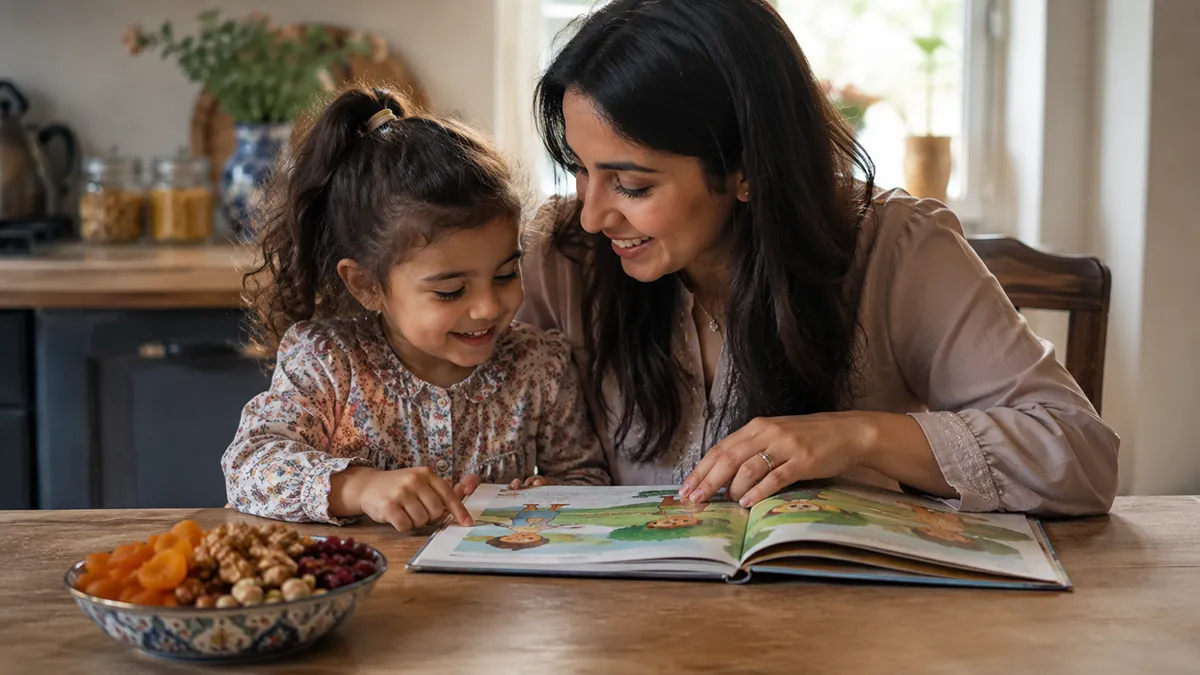
Teaching kids Persian culture doesn’t need a formal lesson plan. Some of the most effective ways to introduce children to their Persian heritage happen through everyday moments: cooking together, playing a favourite song in the car, or letting a child hold a piece of family jewellery and ask what it means. For parents raising children outside Persian especially, small, repeated moments like these tend to stick far better than one big cultural event a year. This guide covers practical, low-effort ways to weave Persian culture into daily life so it feels natural rather than like homework.
Why does it help to start with food rather than history lessons?
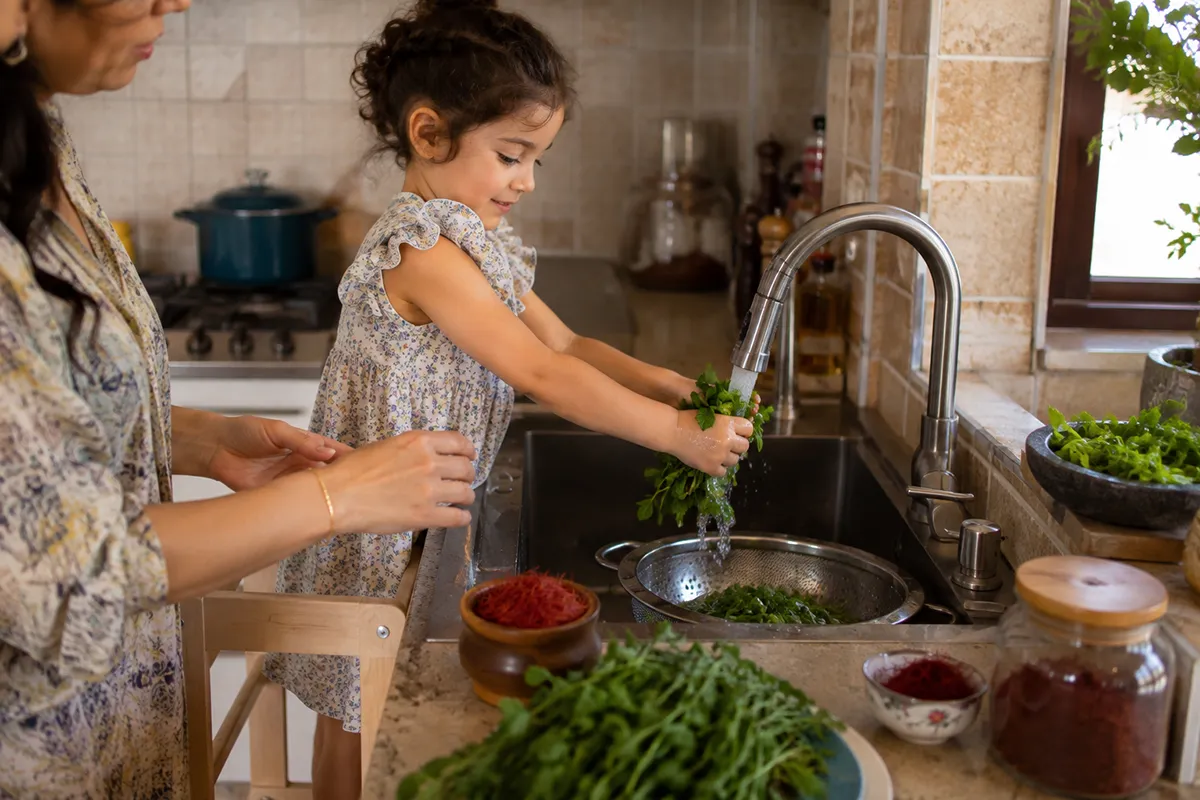
Food is usually the easiest entry point because children respond to taste and smell long before they’re ready for abstract ideas like history or geography. Letting a child help wash herbs for ghormeh sabzi, roll dolme, or pick saffron threads out of a jar gives them a hands-on connection to the culture that a textbook simply can’t match. Even something as small as involving them in setting the sofreh for a family meal, naming each dish as it goes down, builds vocabulary and association without ever feeling like a lesson.
How can music and language be introduced without feeling forced?
Playing Persian music during car journeys, bath time or meals works well because children absorb rhythm and sound passively, the same way they pick up nursery rhymes in any language. A handful of everyday Farsi words, greetings, family terms, the names of foods, are far more effective taught in context than as a formal vocabulary list, especially for children who don’t hear Farsi spoken regularly at home. Farsi alphabet books and bilingual storybooks are a natural next step once a child shows interest, and our guide to Farsi alphabet books for children covers how to introduce one without overwhelming a beginner.
What role do stories and books play in building cultural identity?
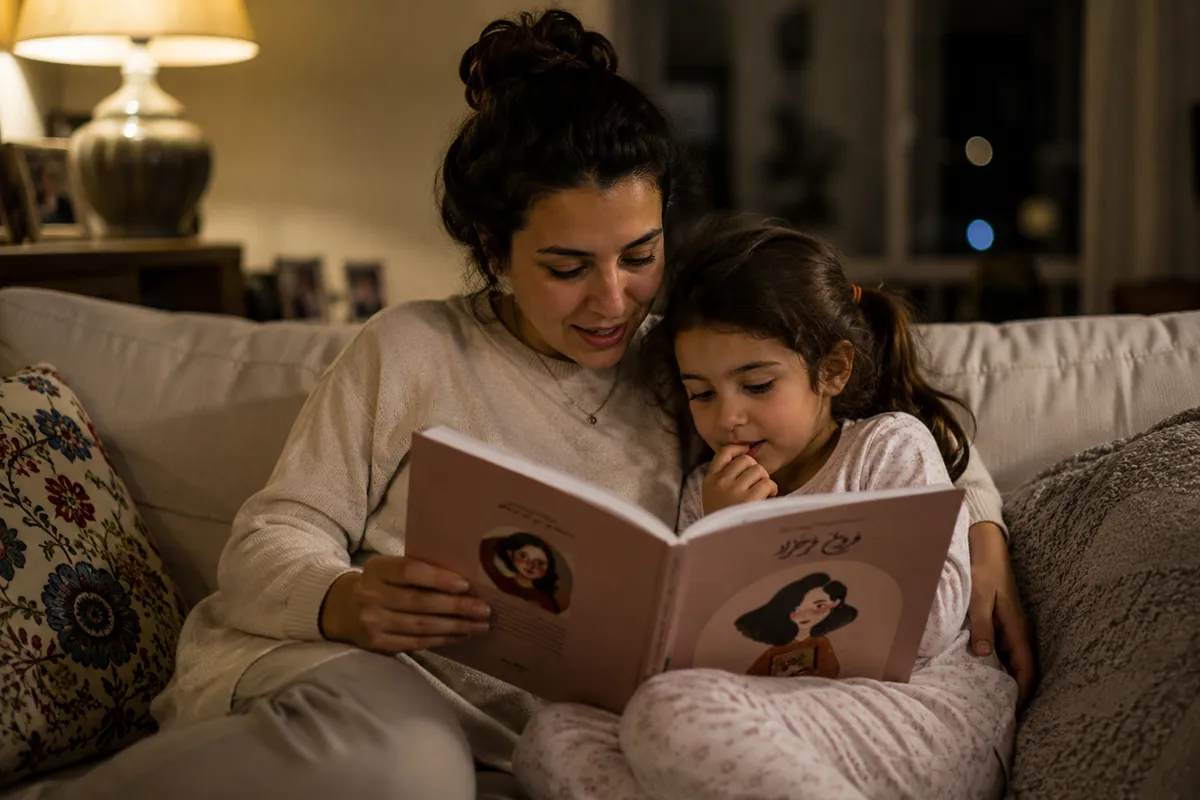
Stories give children a way to understand Persian history and values through character and narrative rather than fact and date, which is why bilingual picture books and retellings of Shahnameh tales tend to hold a child’s attention far longer than a straightforward history explanation. Reading the same favourite Persian story repeatedly is genuinely useful rather than something to move past quickly, since repetition is how young children build both vocabulary and a sense of familiarity with the culture. Our roundup of Persian storybooks every child should own is a good starting point for families building a home library by age and reading level.
Can everyday objects and traditions teach culture better than explanations?
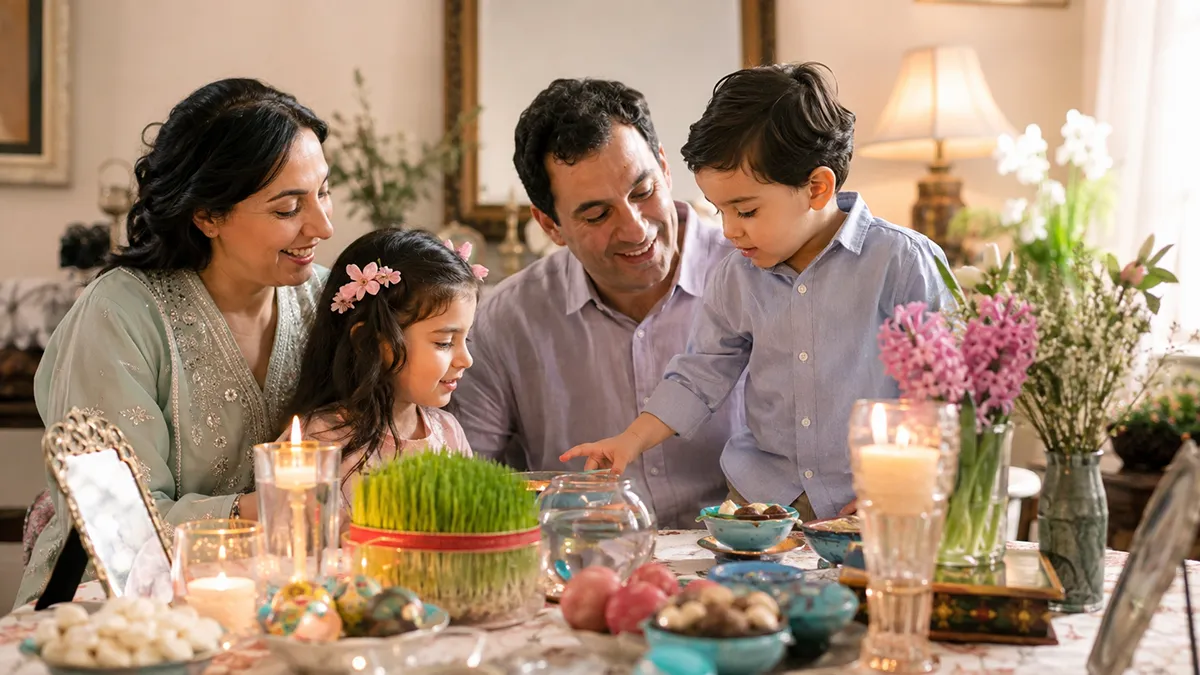
Letting a child handle a family heirloom, a piece of turquoise jewellery, a hand-painted plate, or a small Persian rug sample, and asking what they notice about it tends to spark more genuine curiosity than explaining its significance upfront. Involving children in seasonal traditions like growing sabzeh for Nowruz or helping set a haftsin table gives culture a physical, repeatable rhythm across the year rather than a single abstract concept to remember. These small, tactile moments are often what children remember most clearly as adults, more than anything they were formally taught.
How much should grandparents and extended family be involved?
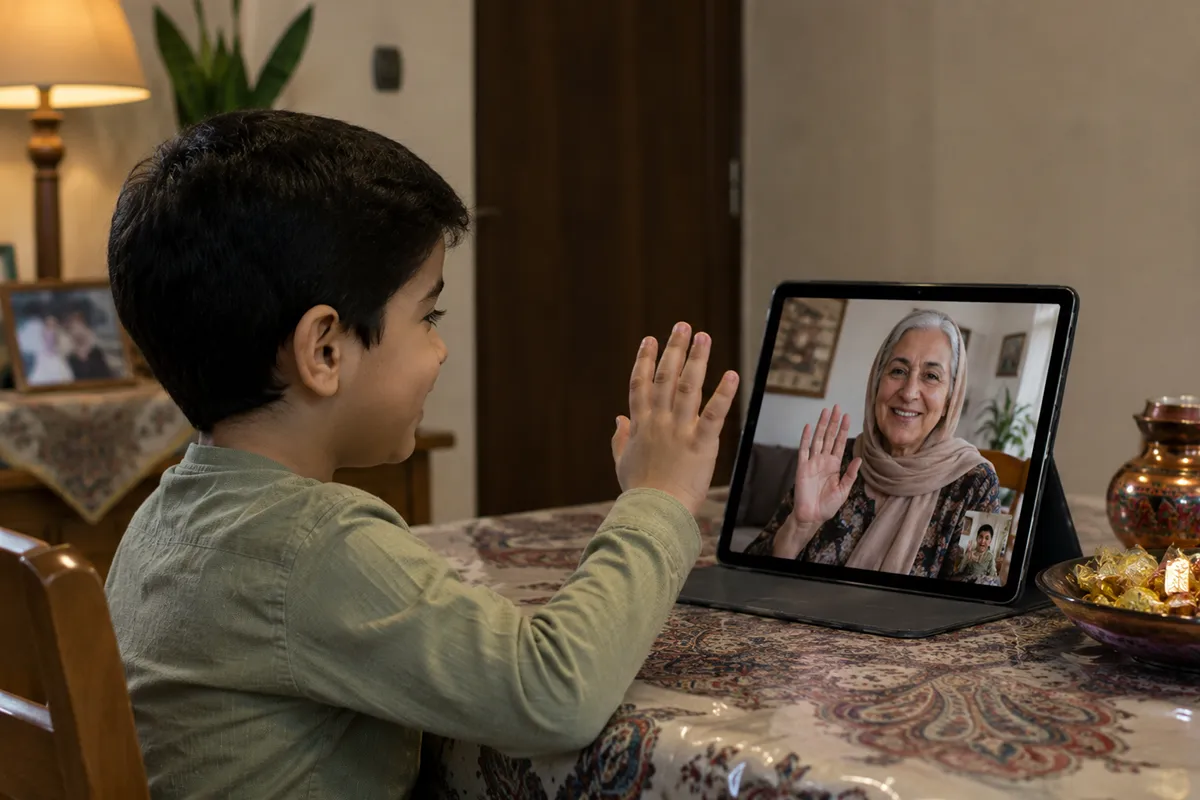
Grandparents and extended family are often the richest, most natural source of cultural transmission a child has access to, since stories, recipes and even accent and phrasing pass down far more convincingly through a relative than through any product or book. Regular video calls, visits, or even recorded voice notes of a grandparent telling a favourite story give children a genuine emotional connection to the culture that’s difficult to replicate any other way. Where extended family isn’t nearby, leaning more heavily on books, music and hands-on activities at home can help fill that gap without it feeling like a lesser version of the real thing.
Conclusion
Teaching kids Persian culture works best as a collection of small, repeated moments rather than one big effort: cooking together, playing music, reading the same favourite story, and letting children handle meaningful objects. None of it needs to feel like a formal lesson, and consistency matters more than intensity. Building a home full of these everyday touches, alongside books, music and involvement from extended family where possible, gives children a genuine, lasting connection to their Persian heritage.
Frequently Asked Questions
What age should I start teaching my child about Persian culture?
There’s no set age to start. Babies and toddlers respond well to music, food smells and the sound of Farsi being spoken, while structured activities like books and simple vocabulary tend to land better from around age three or four.
My child doesn’t speak Farsi at all. Is it too late to start?
It’s not too late at any age. Starting with a handful of everyday words in context, alongside food, music and stories, is far more effective than trying to teach formal Farsi grammar first, and many children pick up more than parents expect simply through repeated exposure.
What if we live far from other Persian families?
Distance from other Persian families makes books, music and hands-on cooking at home more important, not less. Video calls with relatives, online Farsi story time sessions, and building a small home collection of Persian books and objects can all help fill that gap.
How do I keep this going long-term rather than just for special occasions?
The activities that work best long-term tend to be woven into ordinary routines, a regular Persian meal, a bedtime story, a playlist in the car, rather than saved for Nowruz or big family gatherings. Small and consistent beats occasional and elaborate.
Are there simple gifts that help reinforce this at home?
Yes. Bilingual storybooks, Farsi alphabet books and other pieces from our Kids’ Collection are designed as everyday tools for building cultural connection at home, not just occasional gifts.
Comments