


How to Introduce Nowruz Traditions to Young Children
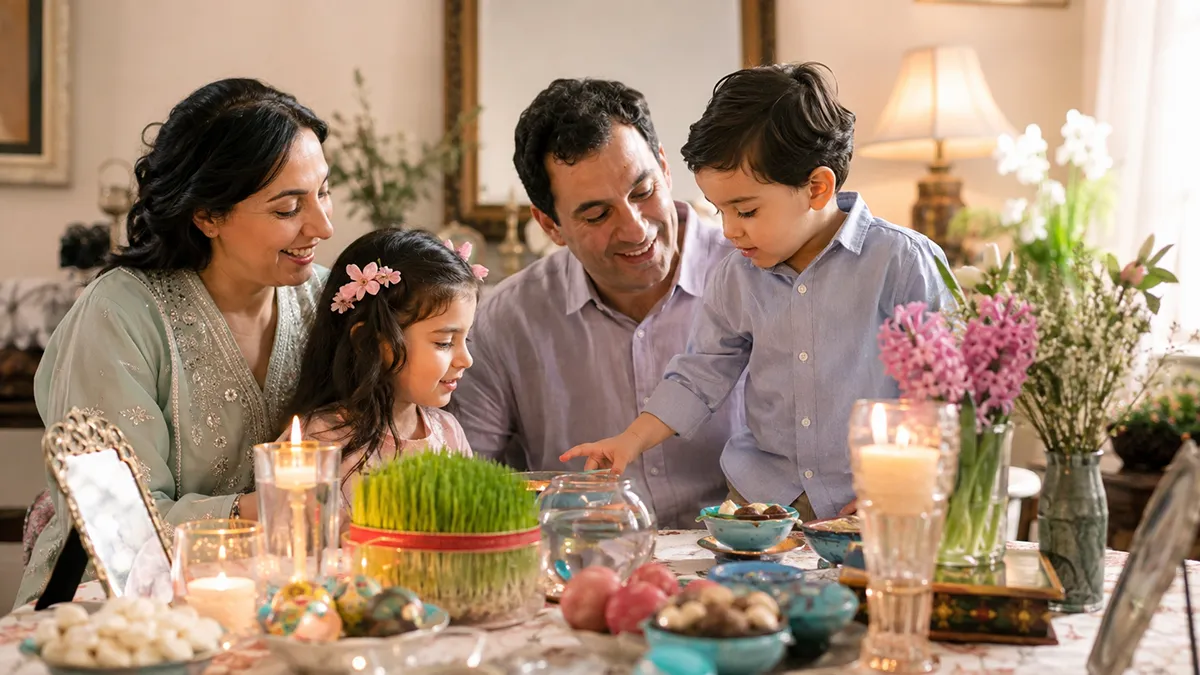
Introducing Nowruz for kids doesn’t need to wait until a child is old enough to understand the full meaning of the Persian new year. Even toddlers can take part in a simplified version of the celebration, and the earlier a child starts associating Nowruz with warmth, family and fun, the more naturally it becomes part of their own sense of identity later on. This guide looks at simple, age-appropriate ways to bring young children into Nowruz traditions, from the haftsin table to spring cleaning, without overwhelming them with more history or ritual than they’re ready for.
Why does introducing Nowruz for kids matter, even at a very young age?
Children form their earliest cultural associations through repeated, positive experiences rather than explanation, so a toddler who spends a few Nowruz celebrations surrounded by family, food and colour builds a genuine emotional connection to the occasion well before they understand what it actually commemorates. For second-generation families raising children outside Persian, Nowruz is often one of the few yearly touchpoints with Persian culture that involves the whole extended family, which makes it a particularly valuable occasion to introduce early rather than waiting until a child is “old enough” to appreciate it properly. Starting young also means a child grows up simply knowing Nowruz as part of their year, rather than encountering it later as something unfamiliar that needs to be explained from scratch.
What is the haftsin table, and how can young children take part in setting it up?
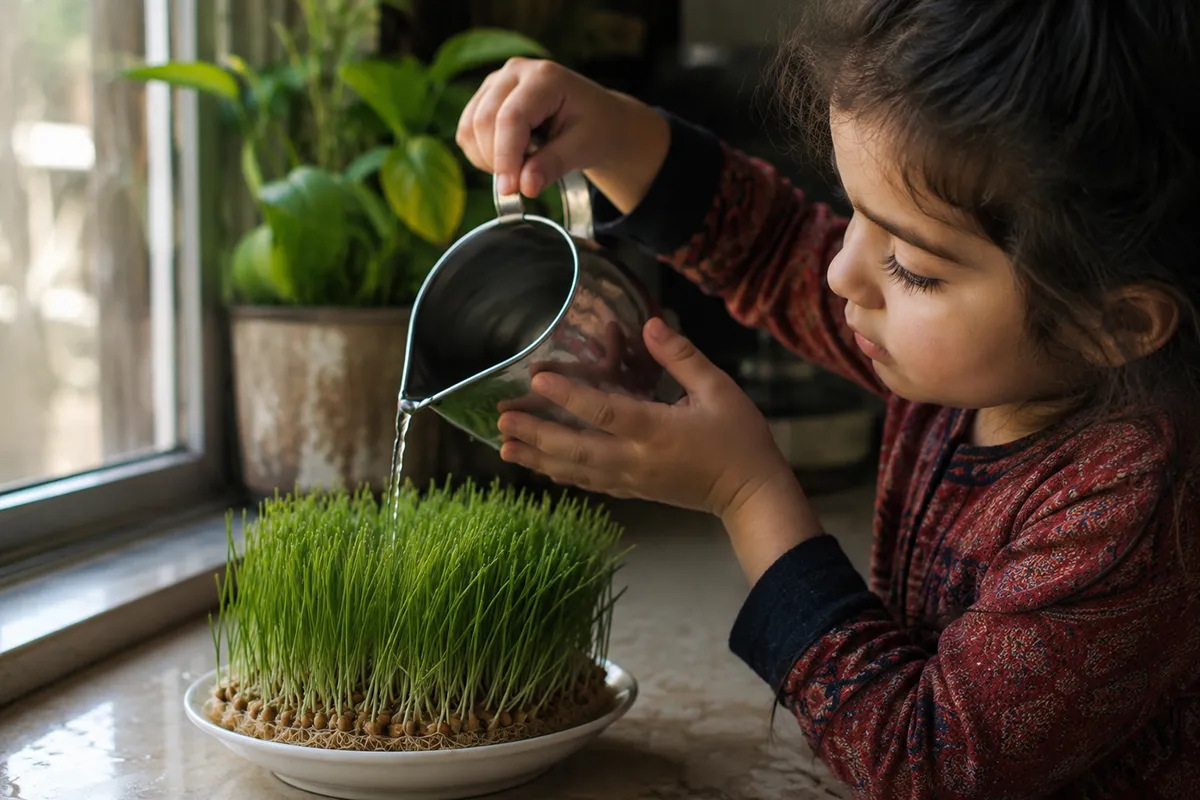
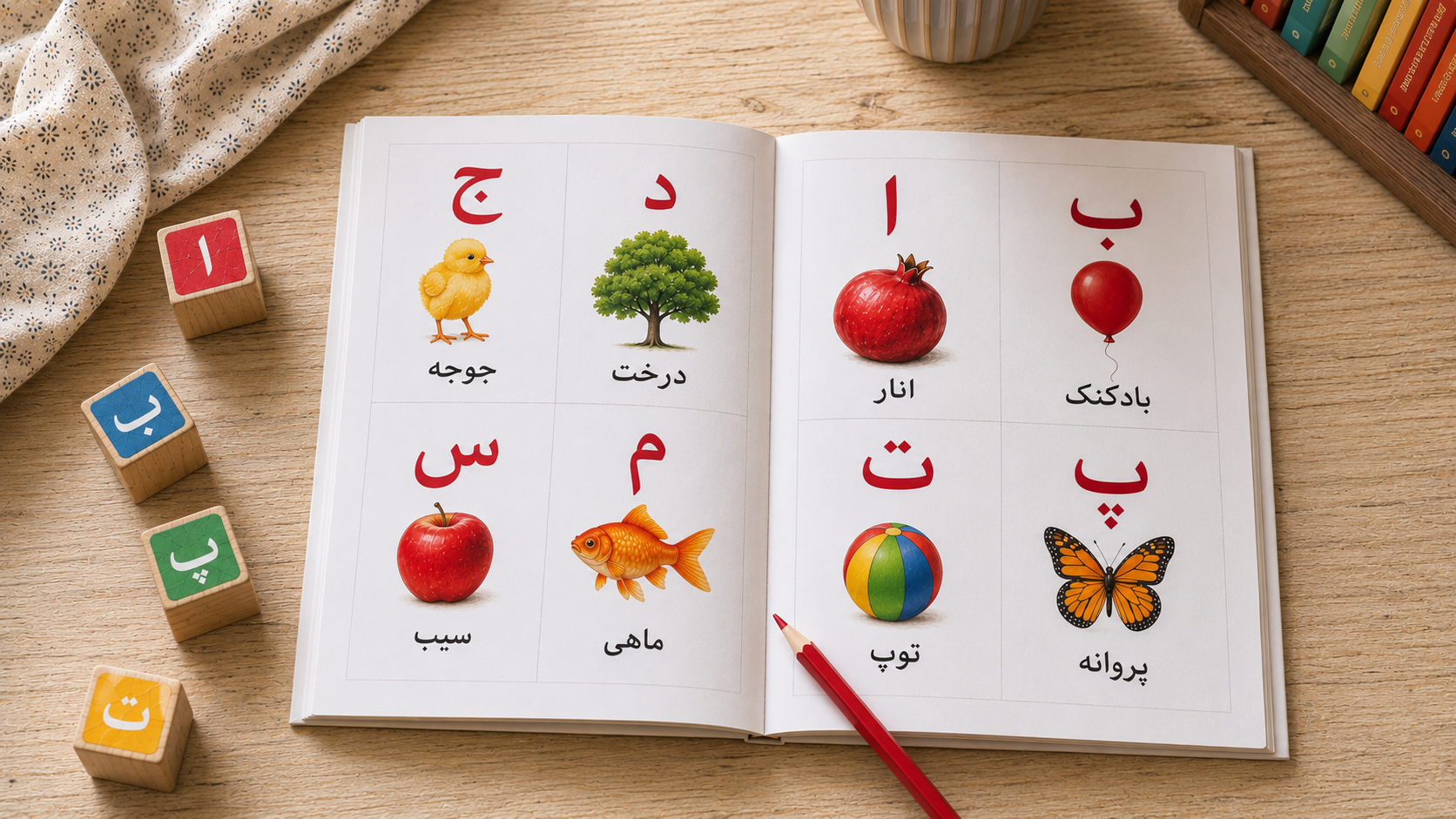
The haftsin table is a spread of seven symbolic items beginning with the Persian letter “seen”, such as sabzeh (sprouted wheat or lentils), senjed (dried fruit) and sekkeh (coins), each representing a wish for the year ahead like renewal, love or prosperity. Young children can take part by helping grow the sabzeh in the weeks before Nowruz, a simple, satisfying activity of watering wheat or lentil seeds and watching them sprout, which works well as a hands-on countdown to the celebration itself. Letting a child help place items on the table, even if they don’t yet understand each symbol’s meaning, gives them ownership over the preparation and makes the occasion feel like something they helped build rather than something that simply happens around them.
How can khooneh tekouni, the pre-Nowruz spring clean, become a family activity for kids?
Khooneh tekouni, the traditional “house shaking” spring clean that happens in the weeks before Nowruz, can include young children through small, manageable tasks like tidying their own toys, wiping down surfaces they can reach, or helping choose which old toys to donate before the new year. Framing it as getting the home ready to welcome spring, rather than simply “cleaning”, tends to land better with young children and gives the activity a sense of occasion rather than chore. This is also a natural moment to talk, in very simple terms, about the idea of a fresh start, without needing to go into deeper cultural or historical explanation a toddler isn’t ready for.
What simple Nowruz stories or explanations suit a young child’s understanding?
For children under five, a short, concrete explanation works better than historical detail: Nowruz is the Persian new year, it happens at the start of spring, and families celebrate with a special table, new clothes and time with relatives. Simple stories about Amu Nowruz, a folk character similar in spirit to a new year’s figure, or short retellings tied to spring and renewal, give young children a narrative hook without requiring them to grasp concepts like the Zoroastrian roots of the celebration. As children get older, usually from around six or seven, they can start understanding more of the “why” behind each tradition, building on the associations they already formed as toddlers.
What small traditions make Nowruz feel special and memorable for a young child?
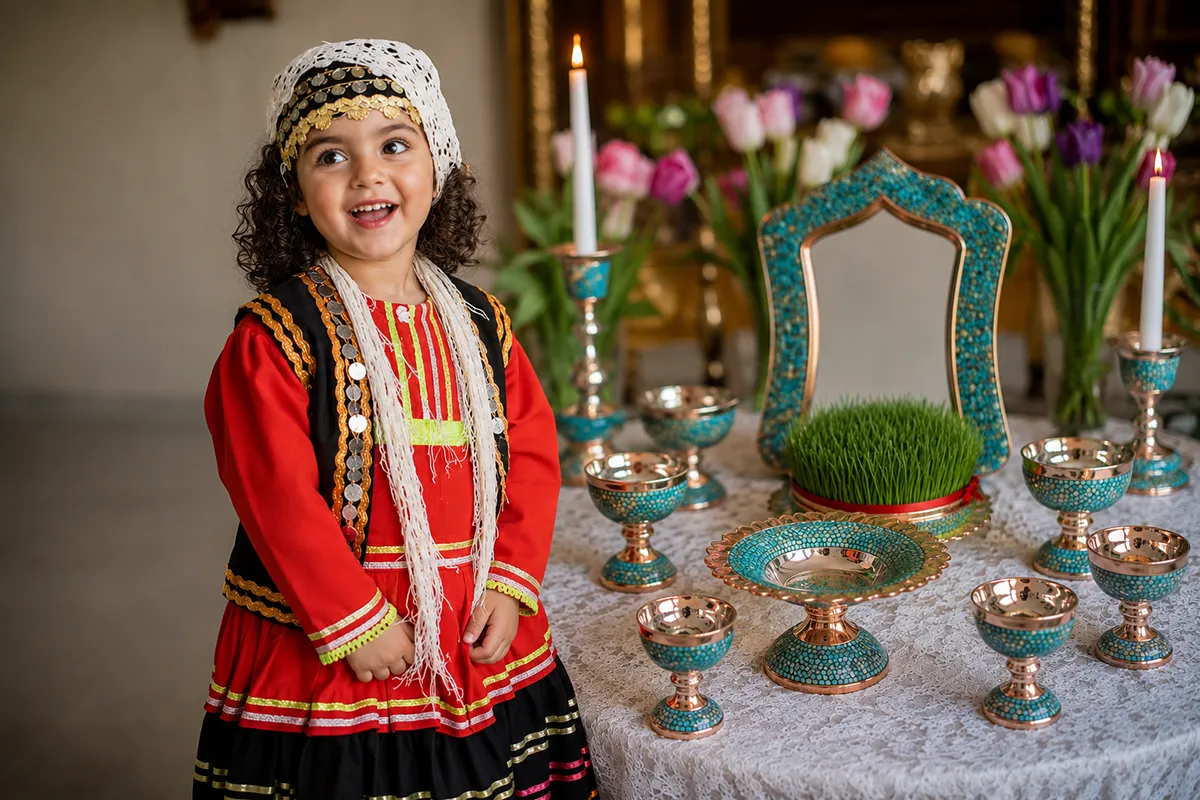
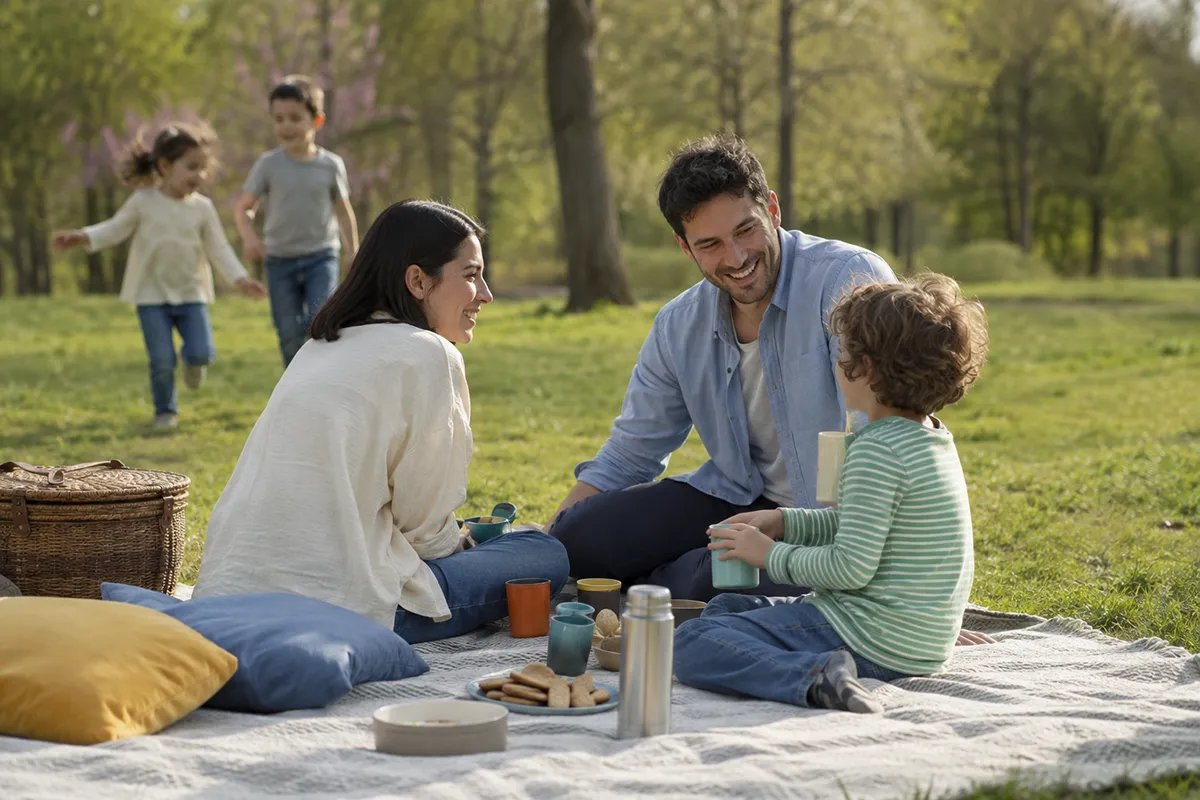
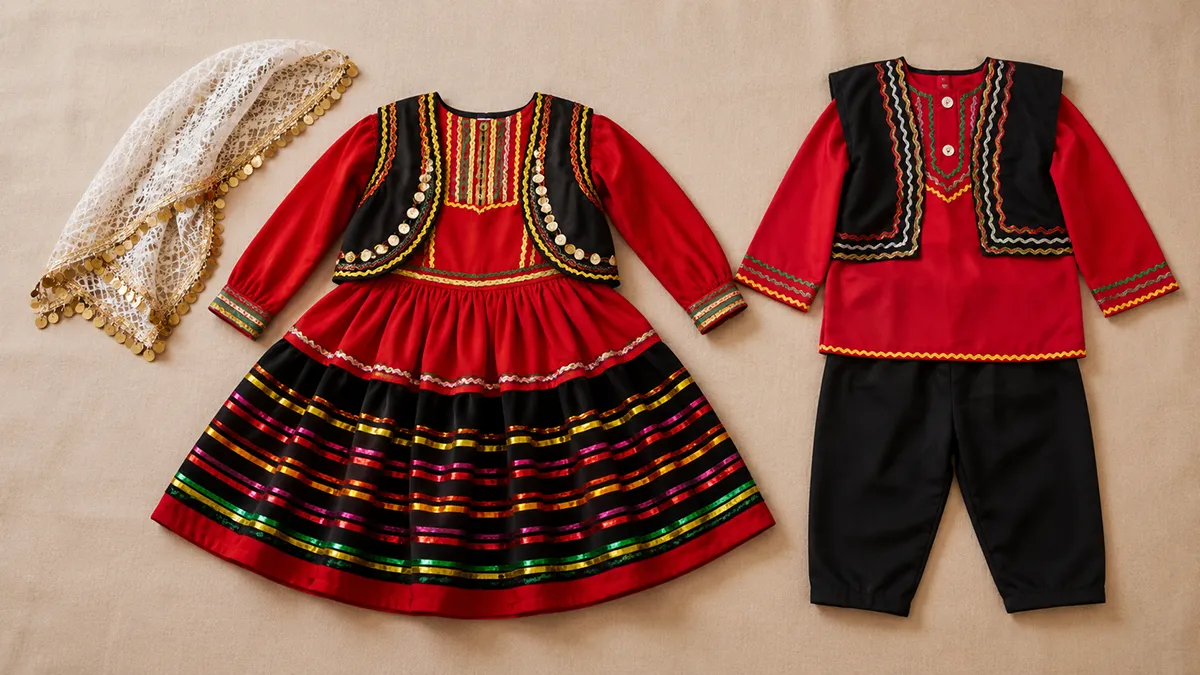
Wearing new clothes on Nowruz, a small but consistent tradition, gives even very young children something tangible and exciting to look forward to, and traditional Persian clothing works particularly well here if a family wants to lean into the cultural side of the occasion. Eidi, the small gifts of money or presents given by older relatives, is another tradition young children respond to enthusiastically, and it doesn’t need to be elaborate to be meaningful. Sizdeh Bedar, the thirteenth-day outdoor picnic that closes the Nowruz period, is often a particular favourite with young children simply because it means an outing, fresh air and time playing outdoors with cousins.
How can families outside Persian build Nowruz into a yearly tradition kids look forward to?
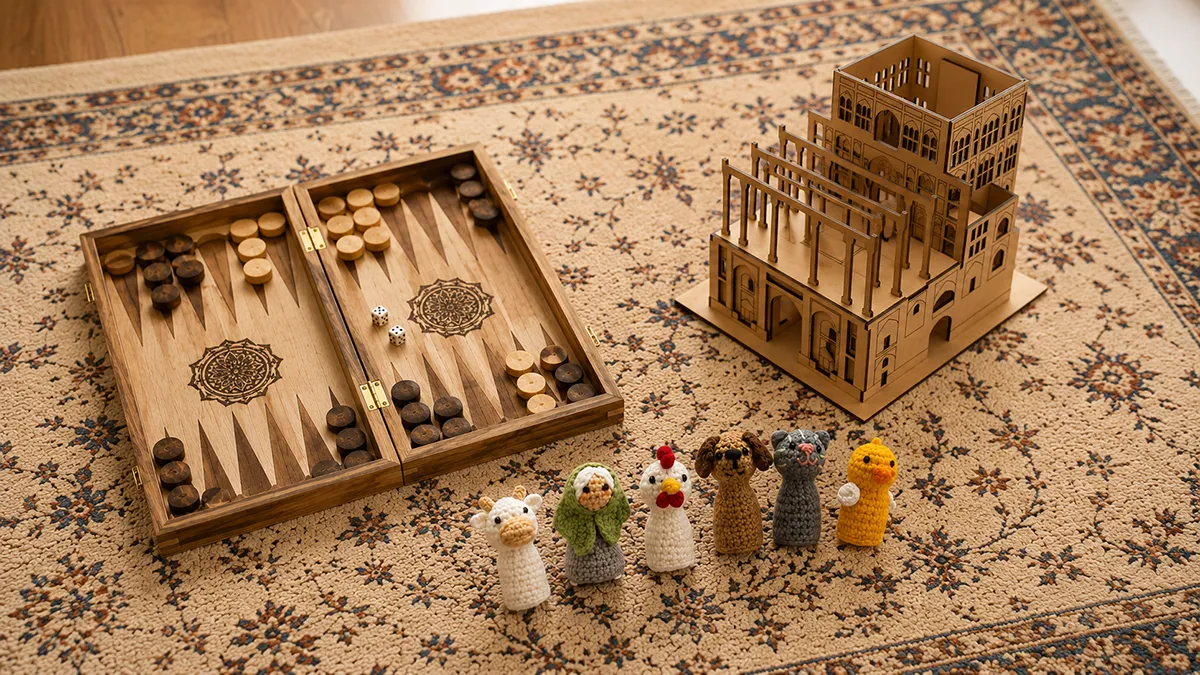
Consistency matters more than scale: a smaller, simple celebration repeated every year builds stronger associations for a young child than an occasional elaborate one that happens irregularly. Involving a child in the same small tasks each year, growing the sabzeh, helping set the table, choosing new clothes, turns Nowruz into something they actively anticipate rather than something that happens to them. Our Kids’ Collection guide and our piece on Persian gifts for children both cover ways to build that anticipation through small, age-appropriate touches beyond the table itself.
Conclusion
Introducing Nowruz for kids works best when it starts early and stays simple: a hands-on role in growing sabzeh, a small part in spring cleaning, new clothes, and a short, honest explanation suited to their age. These small, repeated traditions matter more for a young child’s connection to Persian culture than any single detailed explanation of Nowruz’s history, which can come later as they grow. Families who build these small rituals consistently each year tend to find that Nowruz becomes something their children genuinely look forward to, not just something adults expect them to take part in.
Frequently Asked Questions
At what age can a child start taking part in Nowruz traditions?
There’s no set age. Even toddlers can be included through simple sensory activities like helping grow sabzeh or choosing new clothes, well before they understand the cultural or historical meaning behind the celebration.
Why is Nowruz for kids important for families living outside Persian?
Nowruz is often one of the few yearly occasions that brings extended family together around Persian traditions specifically, making it a valuable early touchpoint for building a child’s cultural identity when day-to-day exposure to Persian culture may otherwise be limited.
How do you explain Nowruz to a young child without overwhelming them?
Keep it short and concrete: Nowruz is the Persian new year, it happens at the start of spring, and families celebrate with a special table, new clothes and time together. More detailed explanations can come as the child grows older.
What is sabzeh and how can children help with it?
Sabzeh is sprouted wheat, lentils or grass grown for the haftsin table, symbolising renewal. Children can help by watering the seeds in the weeks before Nowruz and watching them sprout, which works well as a simple countdown activity to the celebration.
What is Sizdeh Bedar and why do children often enjoy it?
Sizdeh Bedar is an outdoor picnic held on the thirteenth day after Nowruz, marking the end of the celebration period. Children often enjoy it simply because it means time outdoors with family, playing and picnicking after the more formal parts of Nowruz are over.
Comments