


How to Clean a Persian Carpet
- Persis Collection
- 13 January 2024
- Persian Rug
- 4 minutes
Persian carpets are hand-knotted from wool, silk or a combination of both, and each fibre behaves differently when it meets water, dust or sunlight. A cleaning routine that suits a machine-made carpet from a high street shop can genuinely damage a hand-knotted rug, so it helps to know what you are dealing with before reaching for a vacuum or a cloth.
Know Your Rug Before You Clean It
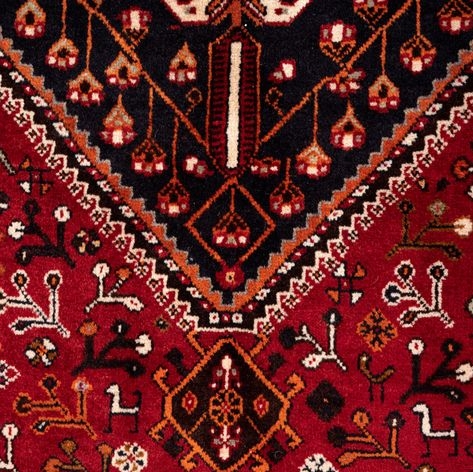
Wool is the most common material in Persian carpets. It is naturally resilient, holds dye well and can tolerate light moisture if handled carefully. Silk rugs, or wool rugs with silk highlights, are different. Silk fibres are much finer, lose strength when wet and can develop a permanent sheen change, sometimes called a water mark, if soaked or scrubbed. If you are unsure what your rug is made from, check the weave on the back. A very fine, tight weave with a slight natural shine usually points to silk or a wool-silk blend, while a coarser, matte weave is more likely to be pure wool.
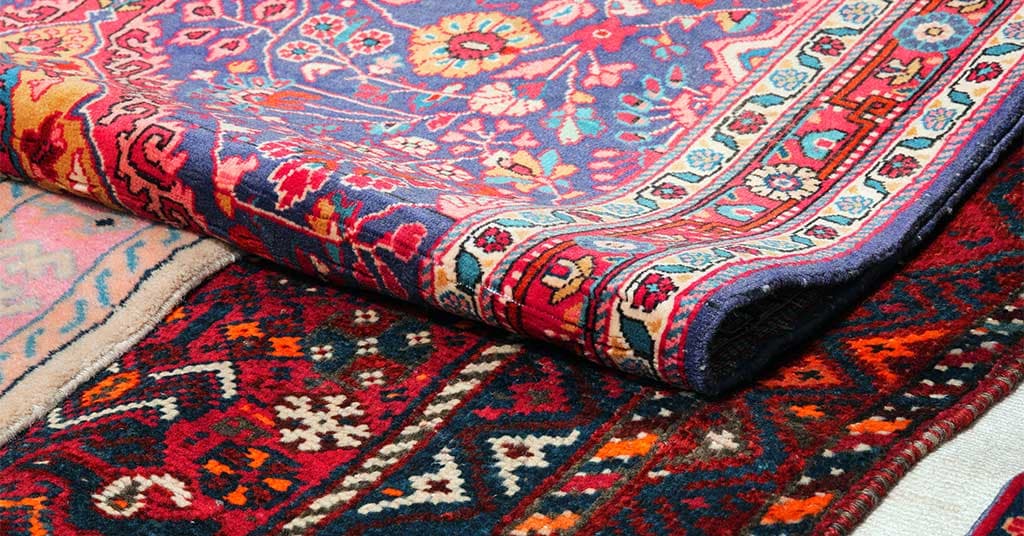
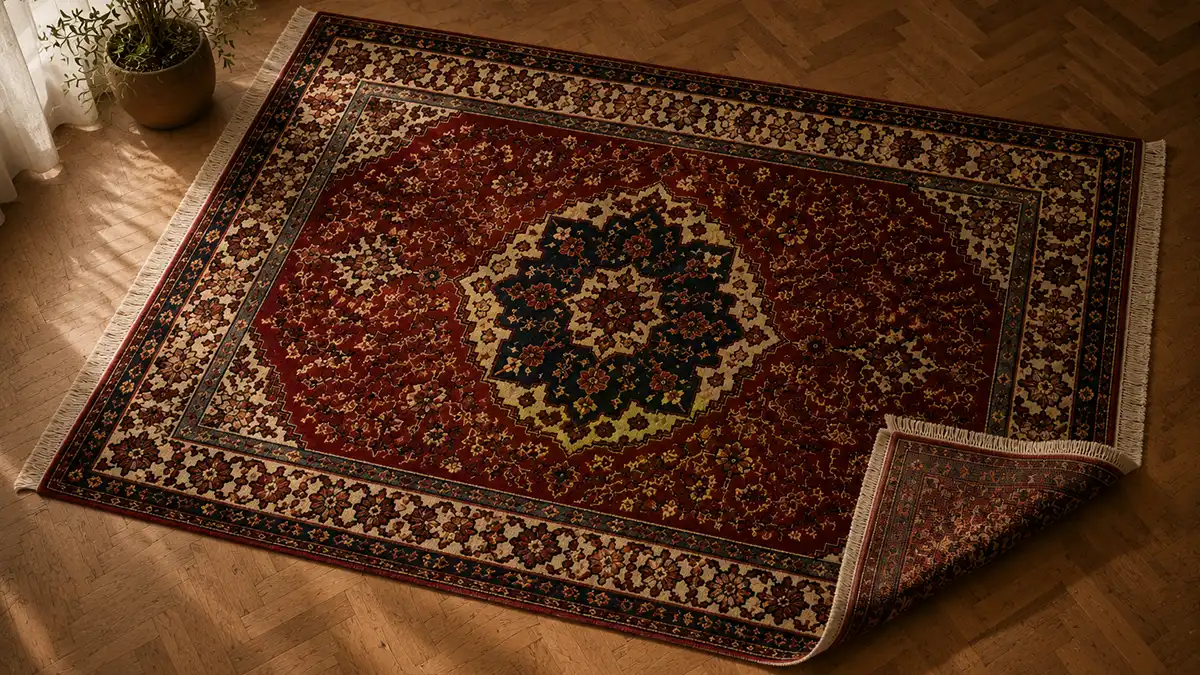
Turn the rug over occasionally too. Strong colours on the reverse mean the dyes penetrated properly during weaving, typical of good natural dyeing. Faded patches only on the front usually mean sun exposure rather than a cleaning problem.
Vacuum With the Pile, Not Against It
Regular vacuuming is the single most useful thing you can do for a Persian carpet, because grit trapped at the base of the pile is what cuts and wears the wool fibres over time. Direction matters more than most people realise. Run the vacuum in the direction the pile lies flat, not against it, and avoid the beater bar or rotating brush attachment if your machine has one, since it can snag the knots and pull at the fringe. A suction-only setting, or a handheld attachment, is gentler and still lifts grit out effectively.
Vacuum both sides every few weeks if you can manage it, paying particular attention to the fringe, which collects dust and is also the most fragile part of the rug. Never run a rotating brush directly over a fringe, as it will fray the knots that hold it in place.
Spot-Cleaning Without Losing the Colour
Persian carpets are traditionally dyed with natural pigments such as madder root, indigo and walnut husk, or with synthetic dyes formulated to imitate them. Either way, colour bleed is the main risk with any spot-cleaning attempt. Before treating a spill, test your cleaning solution on a hidden corner of the rug, such as the underside of a corner fold, and check after a few minutes that no colour has transferred onto a white cloth.
For a fresh spill, blot rather than rub. Rubbing pushes liquid deeper into the pile and spreads it sideways, which is how a small spill becomes a large stain. Use a clean, dry cloth and press down repeatedly rather than dragging it across the surface. For most spills, cold water and a few drops of a pH-neutral, colourfast detergent is enough. Apply it to the cloth, not directly to the rug, and work from the outside of the mark inward so it does not spread further. Rinse by blotting with a cloth dampened in plain cold water, then blot again with a dry towel to draw out as much moisture as possible, and let the area dry fully, ideally with airflow underneath, before walking on it.
Avoid vinegar, bicarbonate of soda and any household carpet shampoo on a hand-knotted rug. These are designed for synthetic, machine-made carpet fibres and can alter natural dyes or leave a residue that attracts more dirt over time.
When to Get a Professional Hand-Wash
Some situations call for a professional rather than a DIY approach: a stain that has set in, an odour that vacuuming and airing does not resolve, silk or silk-detailed pile, or an older and particularly valuable piece. Specialist Persian rug cleaners wash the whole rug evenly, using techniques suited to the specific fibre and dye, and dry it flat and fully rather than leaving damp patches that can lead to mould in the foundation threads.
As a general guide, a full hand-wash every twelve to eighteen months is reasonable for a Persian rug in regular use, more often in a household with pets or young children, less often for a rug in a low-traffic room. Between washes, vacuuming and prompt spot-cleaning do most of the work.
Storage and Rotation to Prevent Uneven Fading
Sunlight fades wool and silk unevenly, so a rug that sits in the same position for years will often show a visibly lighter patch where it caught direct light. Rotating the rug 180 degrees every six months evens this out over time, and closing curtains or blinds during peak sun hours protects the colours considerably.
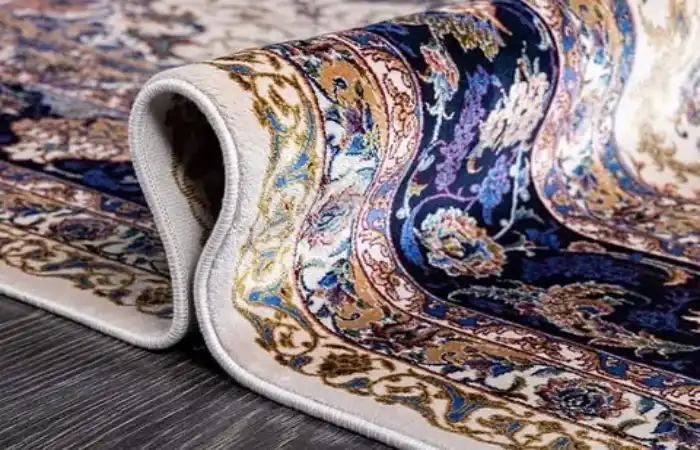
If you need to store a rug, clean it thoroughly first, since dirt or moth-attracting residue left in the pile will only get worse in storage. Roll it, do not fold it, with the pile facing inward to protect the surface, and wrap it in breathable cotton or acid-free paper rather than plastic, which traps moisture and encourages mildew. Store it somewhere dry and out of direct sunlight, and check on it every few months if it stays rolled up for a long period.
Frequently Asked Questions
Can I steam clean a Persian carpet?
It is best avoided. Steam introduces more heat and moisture than hand-knotted wool and silk rugs are designed to tolerate, and it can cause shrinkage, dye bleed or damage to the foundation threads. A professional hand-wash is a safer route for a deep clean.
How often should I vacuum my Persian rug?
Every one to two weeks for a rug in normal household use, more often in high-traffic areas. Light, regular vacuuming does far more to protect the rug than infrequent deep cleaning.
Is it safe to clean a silk Persian rug myself?
Vacuuming gently is fine, but avoid liquid cleaning on silk or silk-highlighted rugs. Silk loses strength when wet and can water-mark permanently, so stains and general dirt build-up on silk rugs are best left to a specialist.
Why does my Persian rug smell after cleaning?
This usually means it did not dry fully. Wool holds moisture, and if the rug is placed back on the floor or rolled up while still damp underneath, it can develop a musty smell or even mildew. Always dry a rug completely, ideally flat with air circulating on both sides, before using or storing it.
How do I know if my rug is wool, silk or a blend?
Check the weave density and sheen. Wool has a matte finish and a coarser weave, while silk is finer, tighter and slightly lustrous. Many “silk” Persian rugs on the market are actually wool with silk accents in the pattern, which still need the more cautious silk-cleaning approach in those areas.
Comments